
Travelogue 2026
This time I flew to Nepal alone. A conscious decision: to treat myself to some me-time, clear my head – and of course, to see how our projects are progressing and deliver goats to another village. Traveling without my family was a different experience. Quieter in some ways, but also more intense: you spend a lot, a lot, in jeeps. On the roads outside the main routes, that's anything but a relaxing affair.
Panchase – Goats for a widely scattered village
On Wednesday, the jeep was ready at 7 a.m. Our destination was Panchase. Unfortunately, the road directly from Kathmandu was blocked by debris, so we had to take a detour via the Nepali Highway – which significantly lengthened the journey. The last two hours were then typical of Nepal: dust, tight bends, and without a 4x4, we simply wouldn't have been able to proceed.
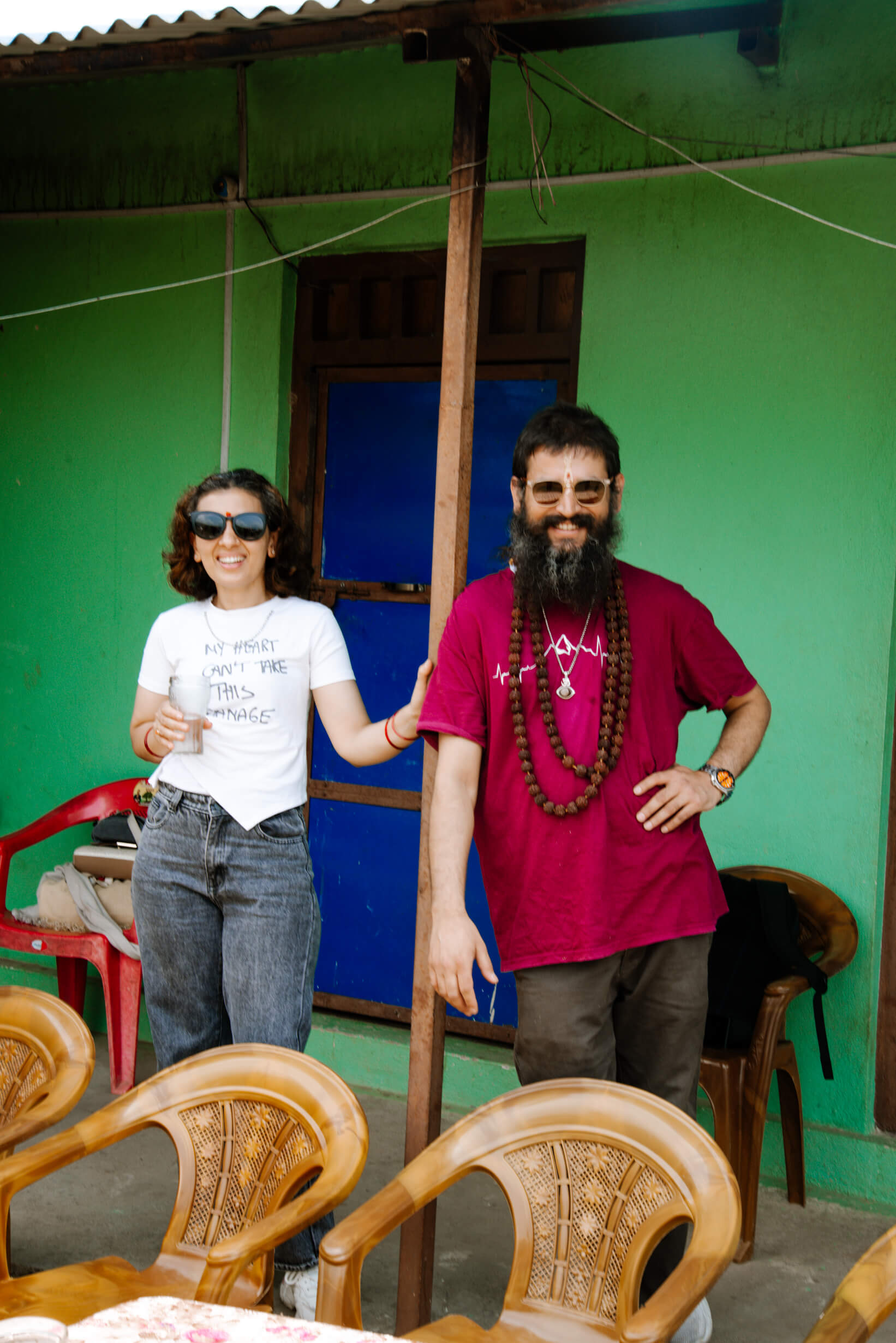
This time I had wonderful company. Narayan's wife, Pari, was with me – I've known her for 16 years now, and it's always lovely to have a conversation with a woman. Naran, who grew up in Bhumesthan with his grandparents, was also there. His parents live in Kaste – the village we gifted with goats two years ago – and so he's known Narayan since he was a child. He's a big fan of WIR BEWEGEN and helps Narayan find and visit villages in need. This year he's also become an official team member, as he wants to help support the poorest people in his country. A great joy for all of us.
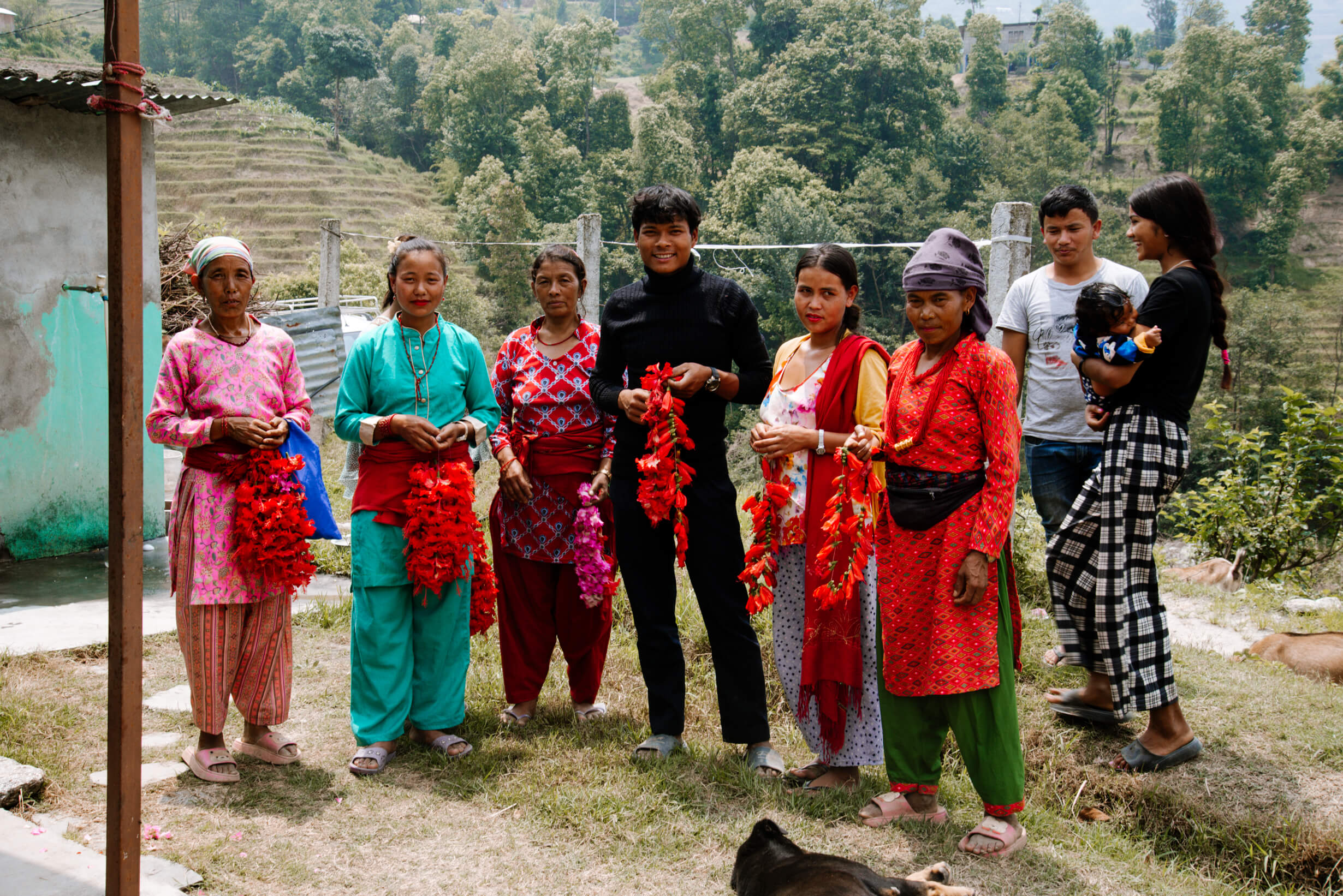
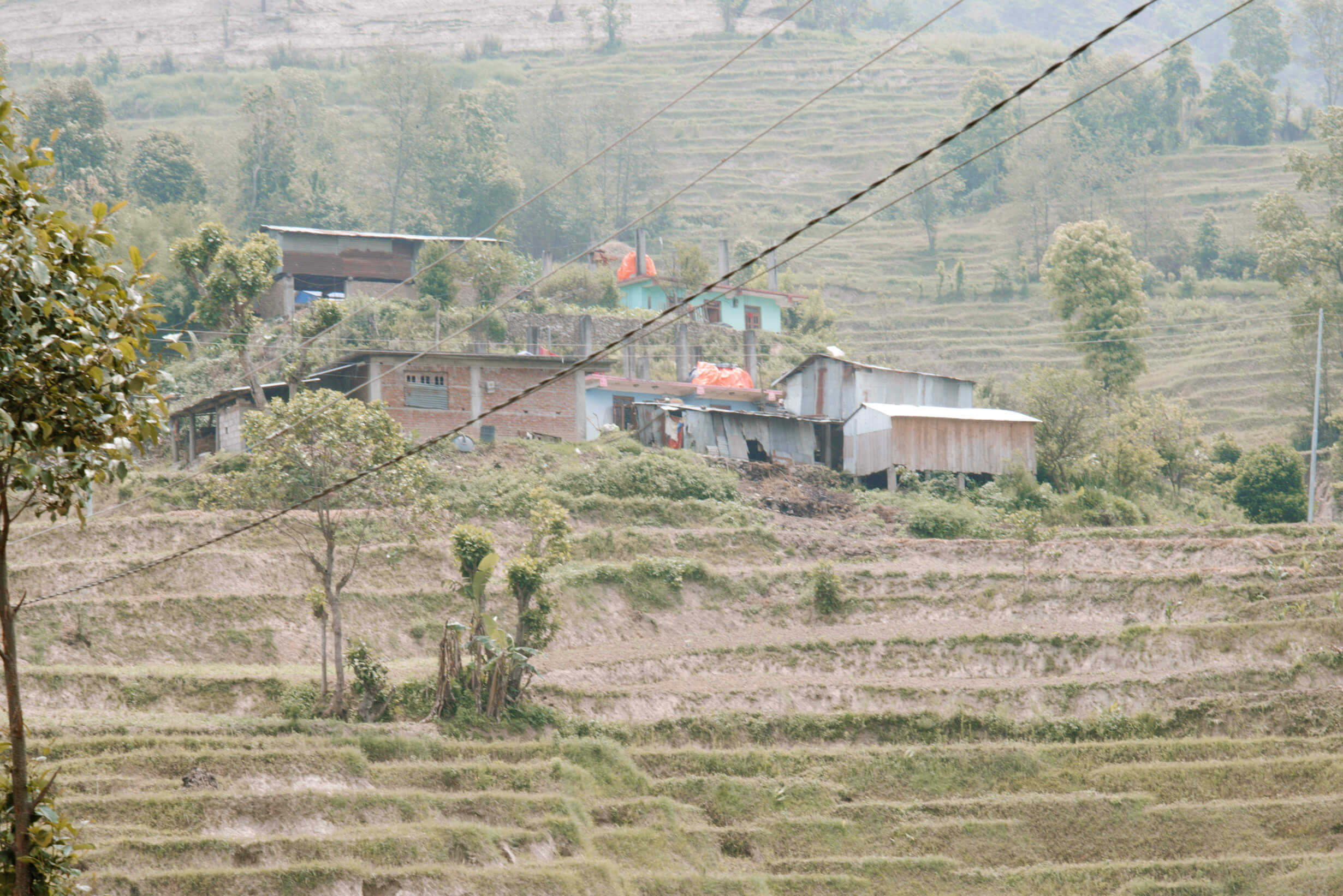
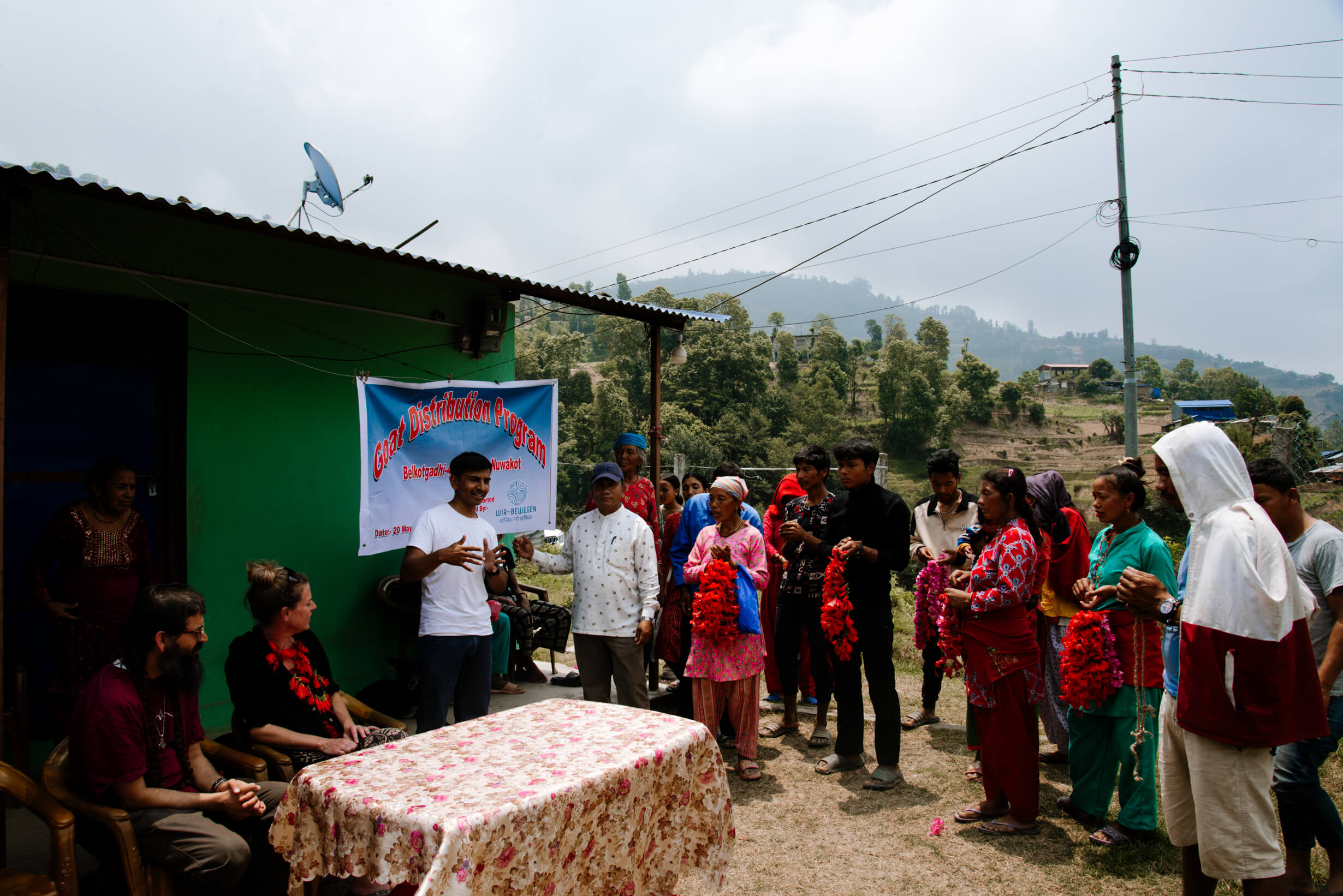
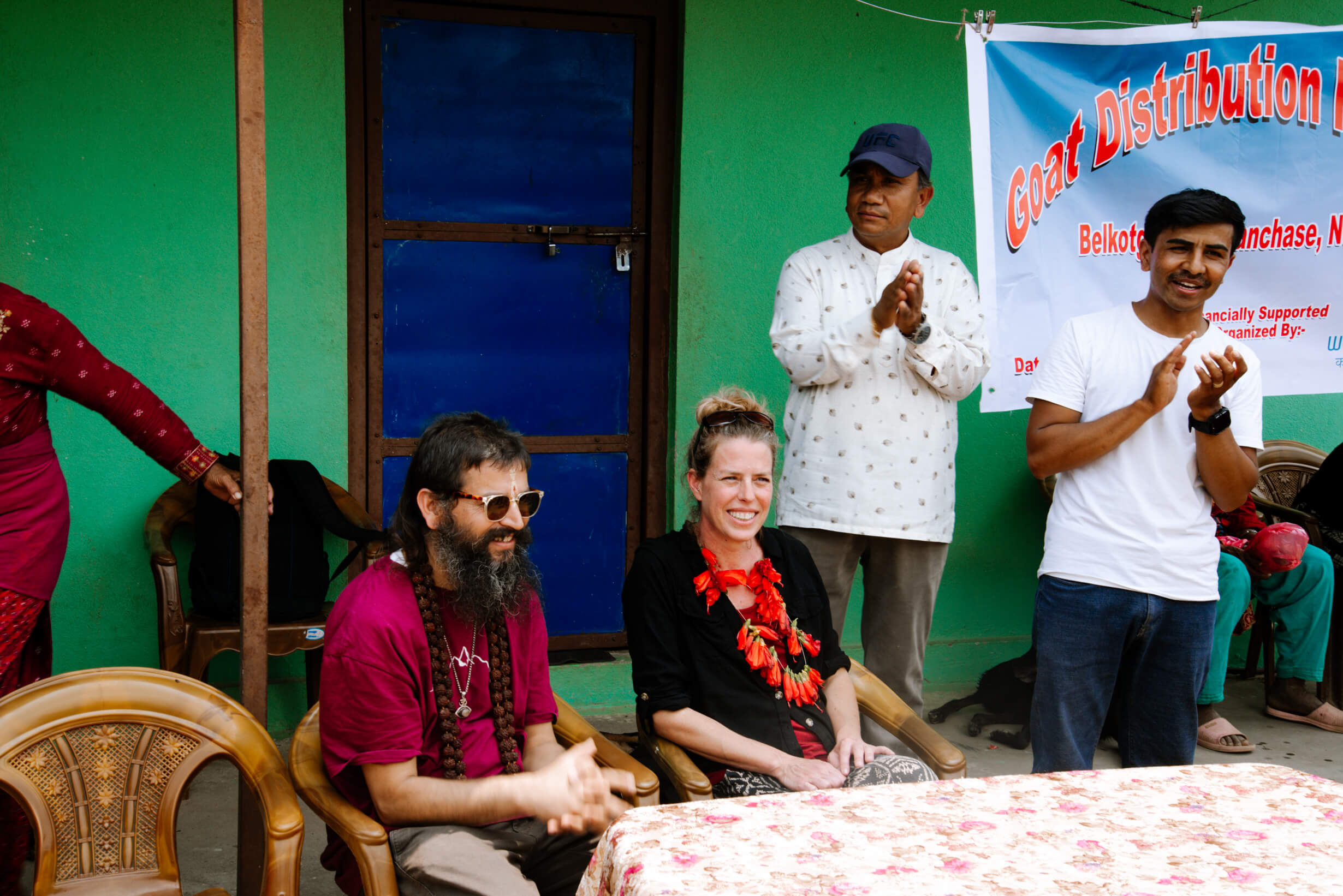
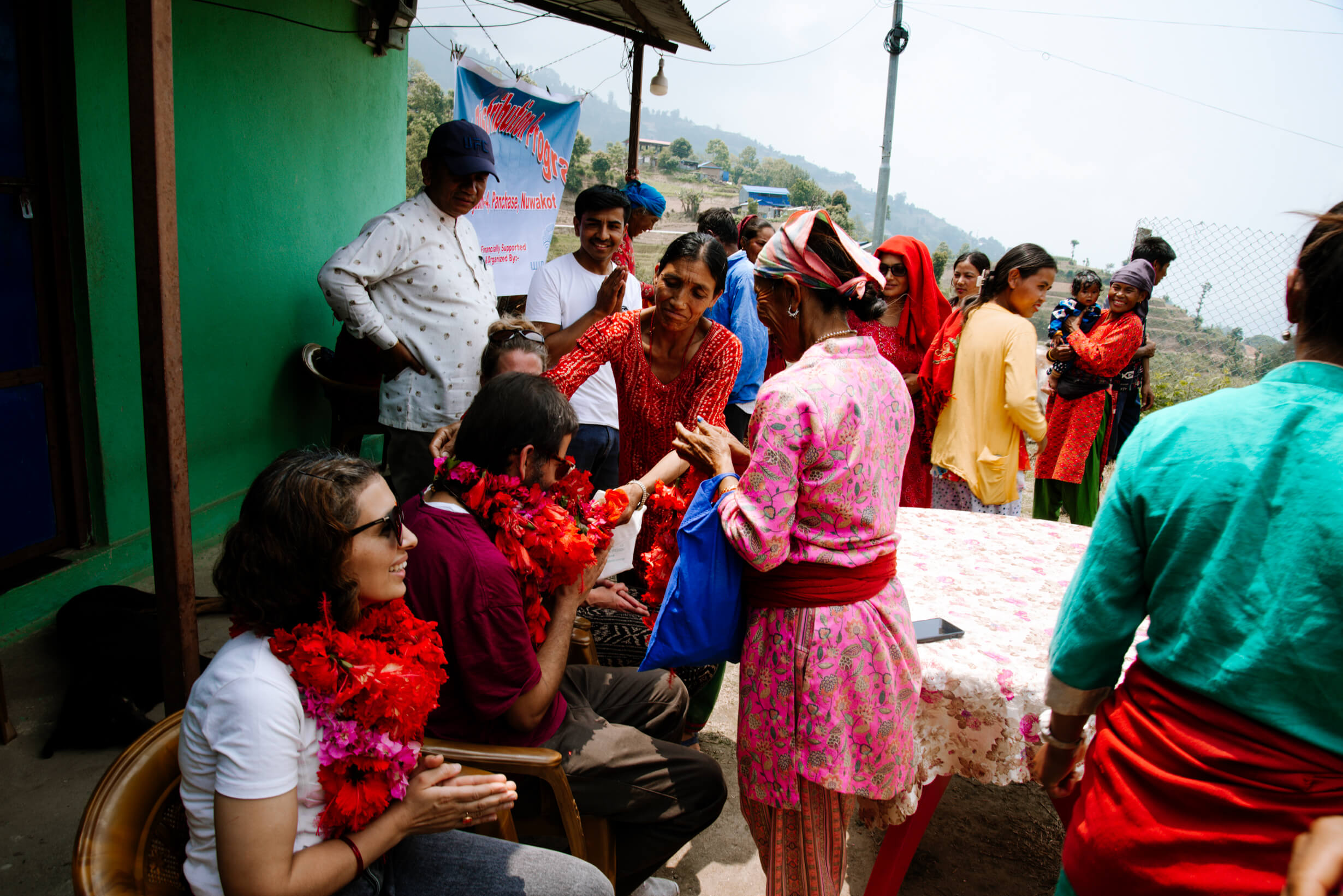
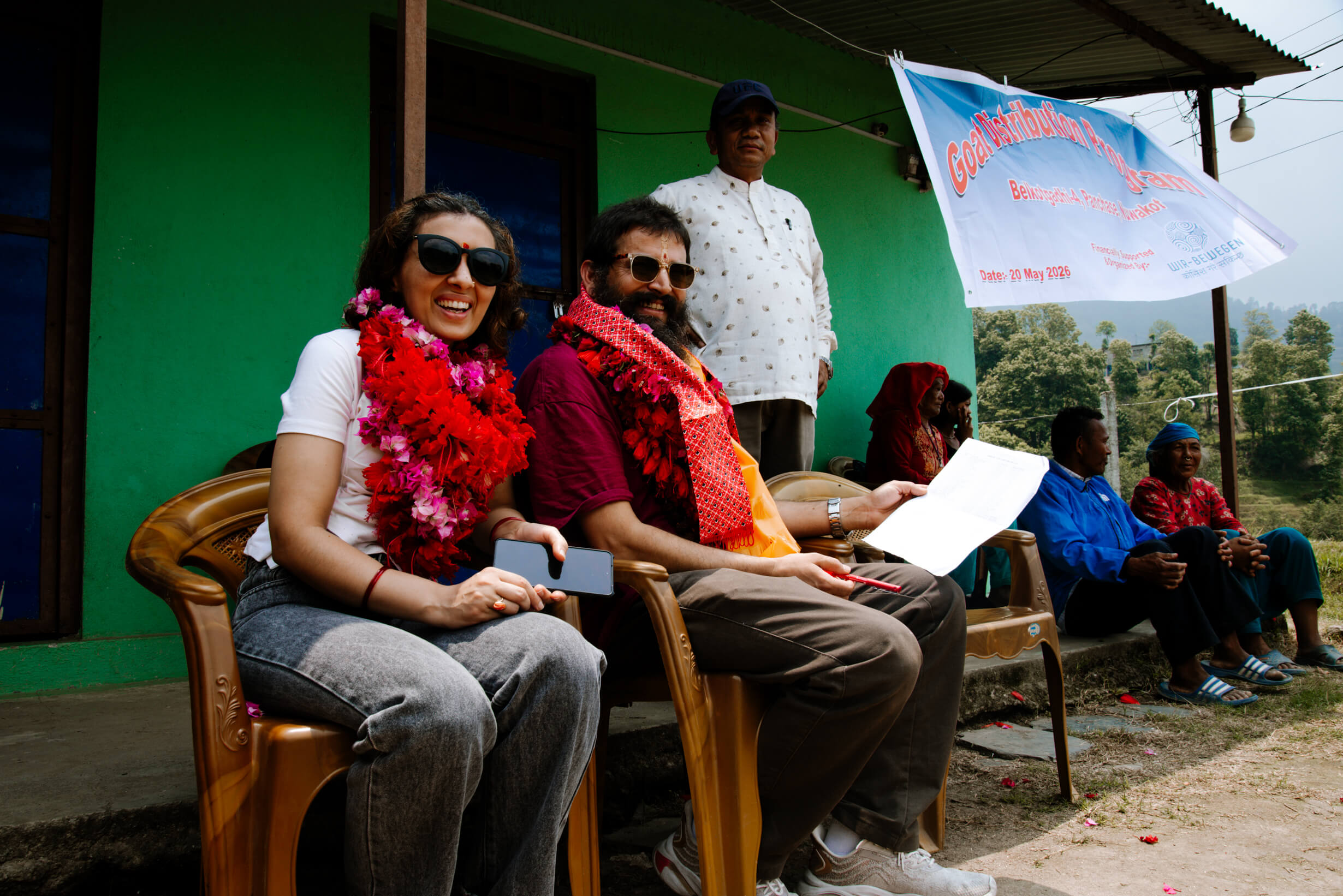
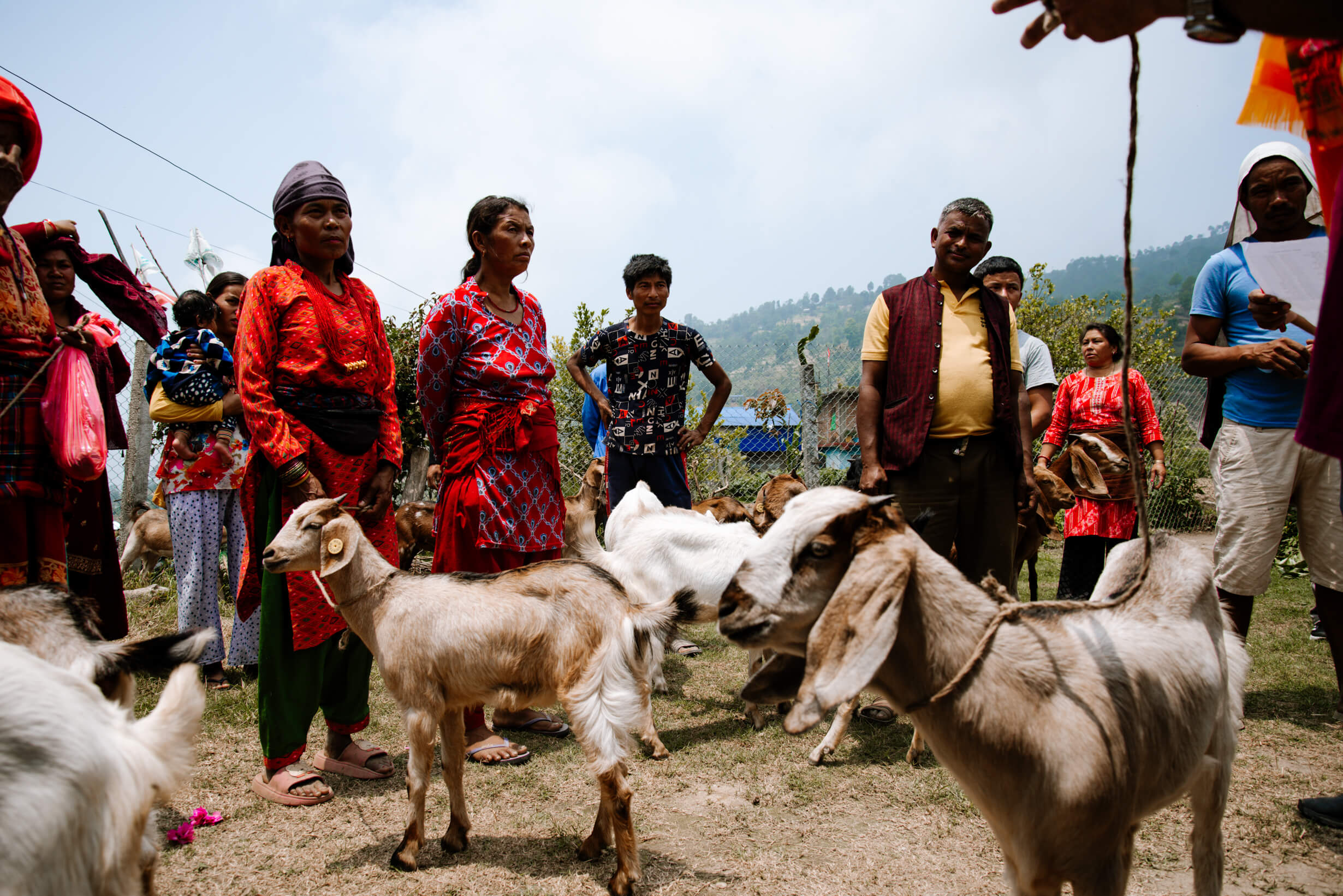
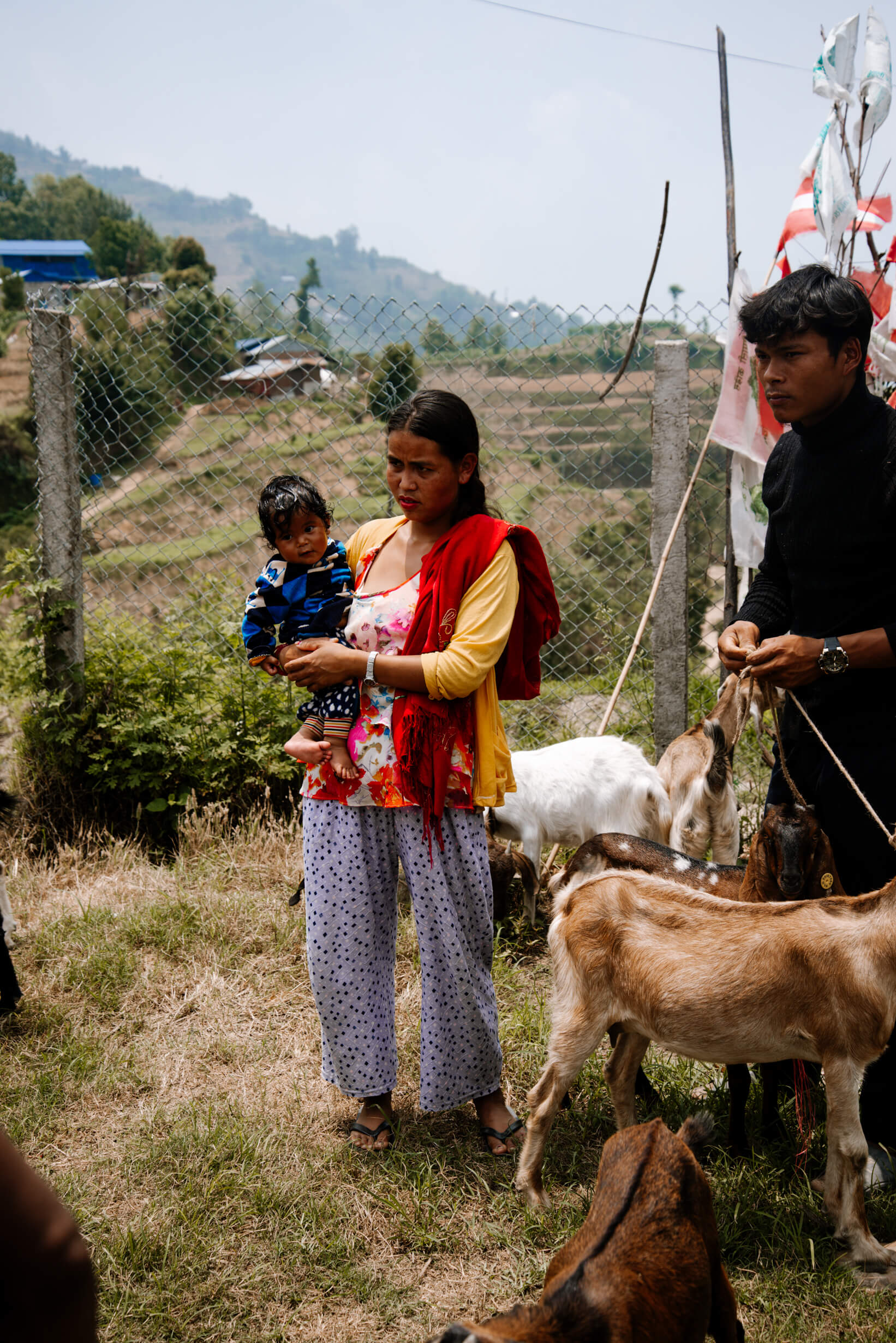
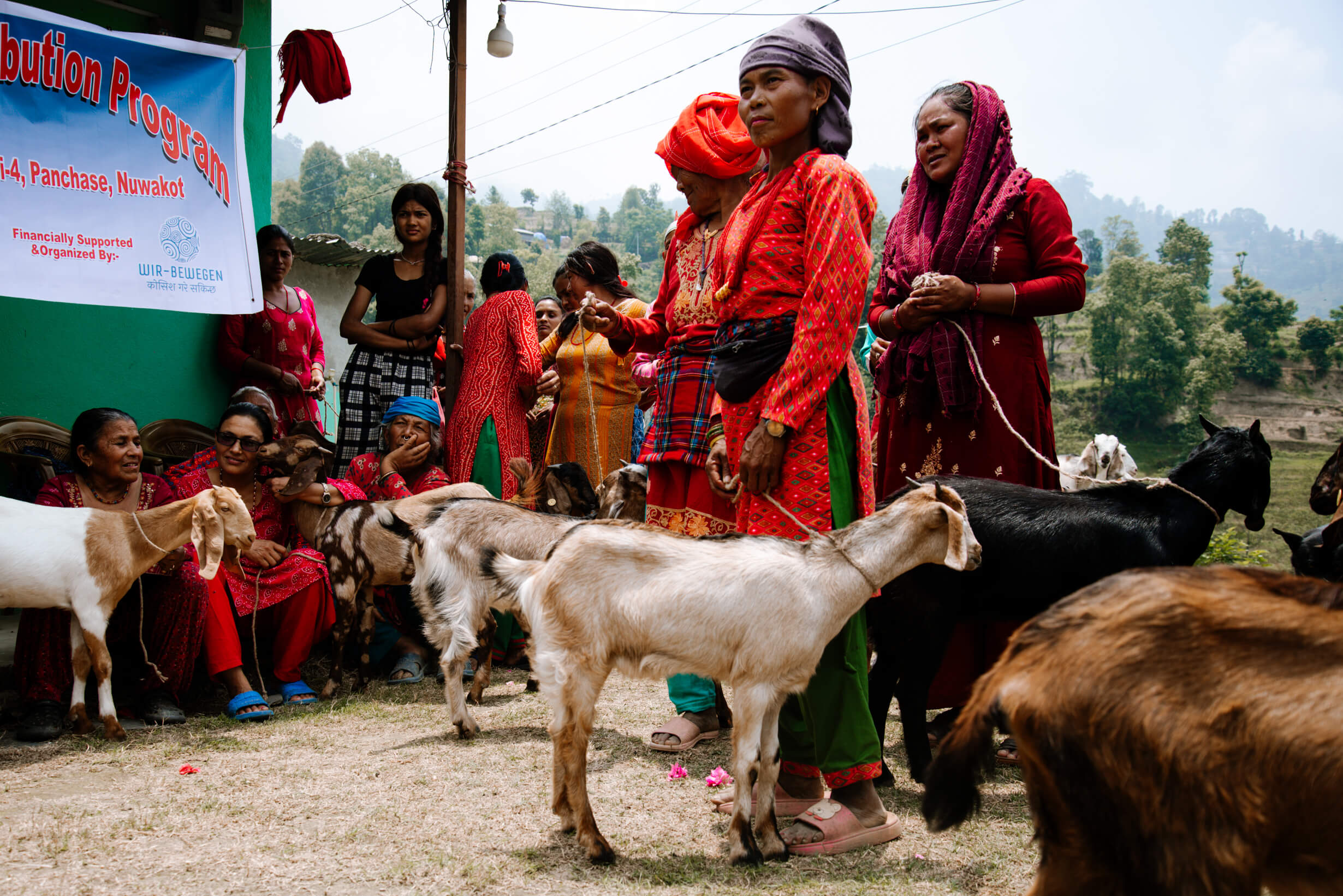
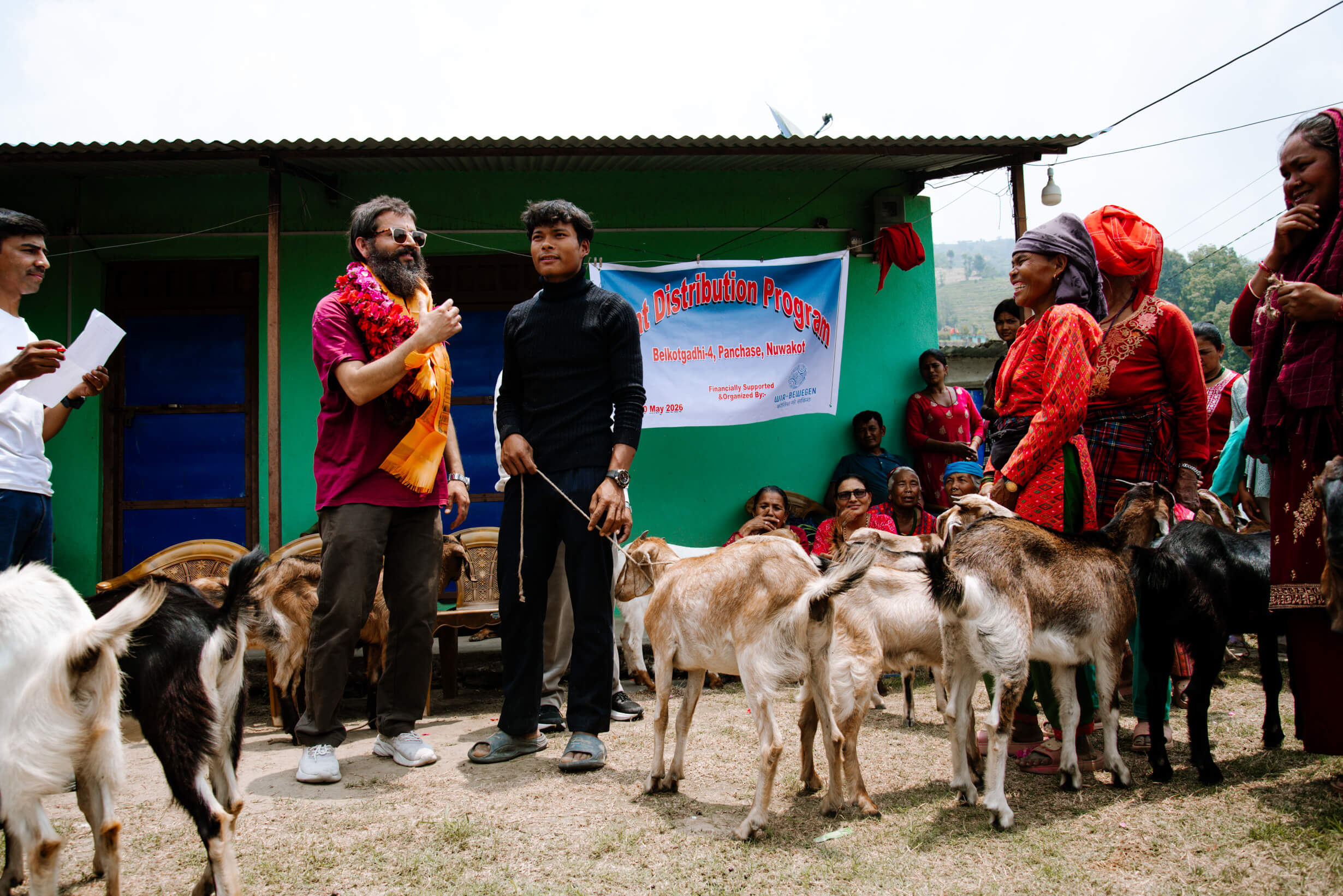
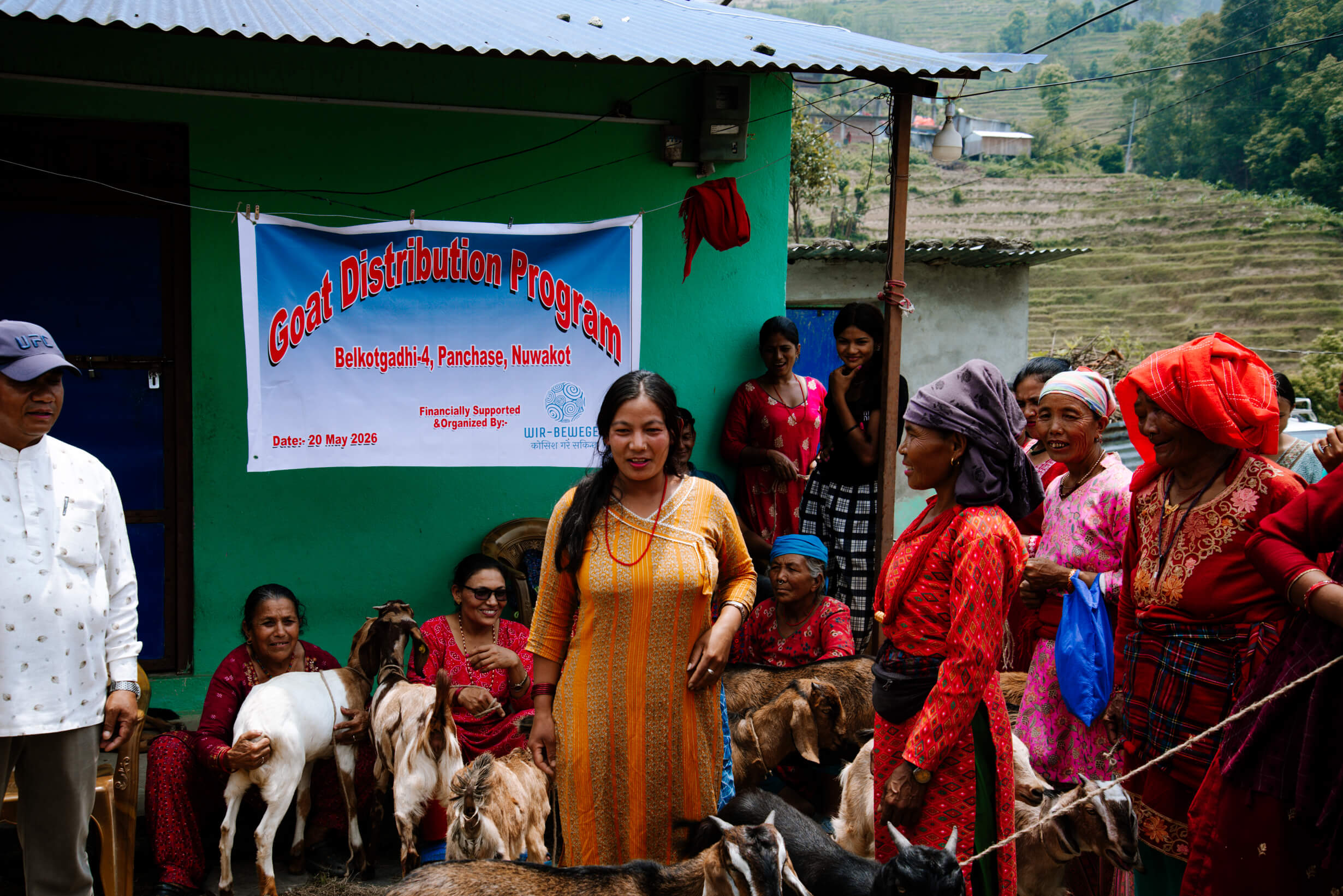
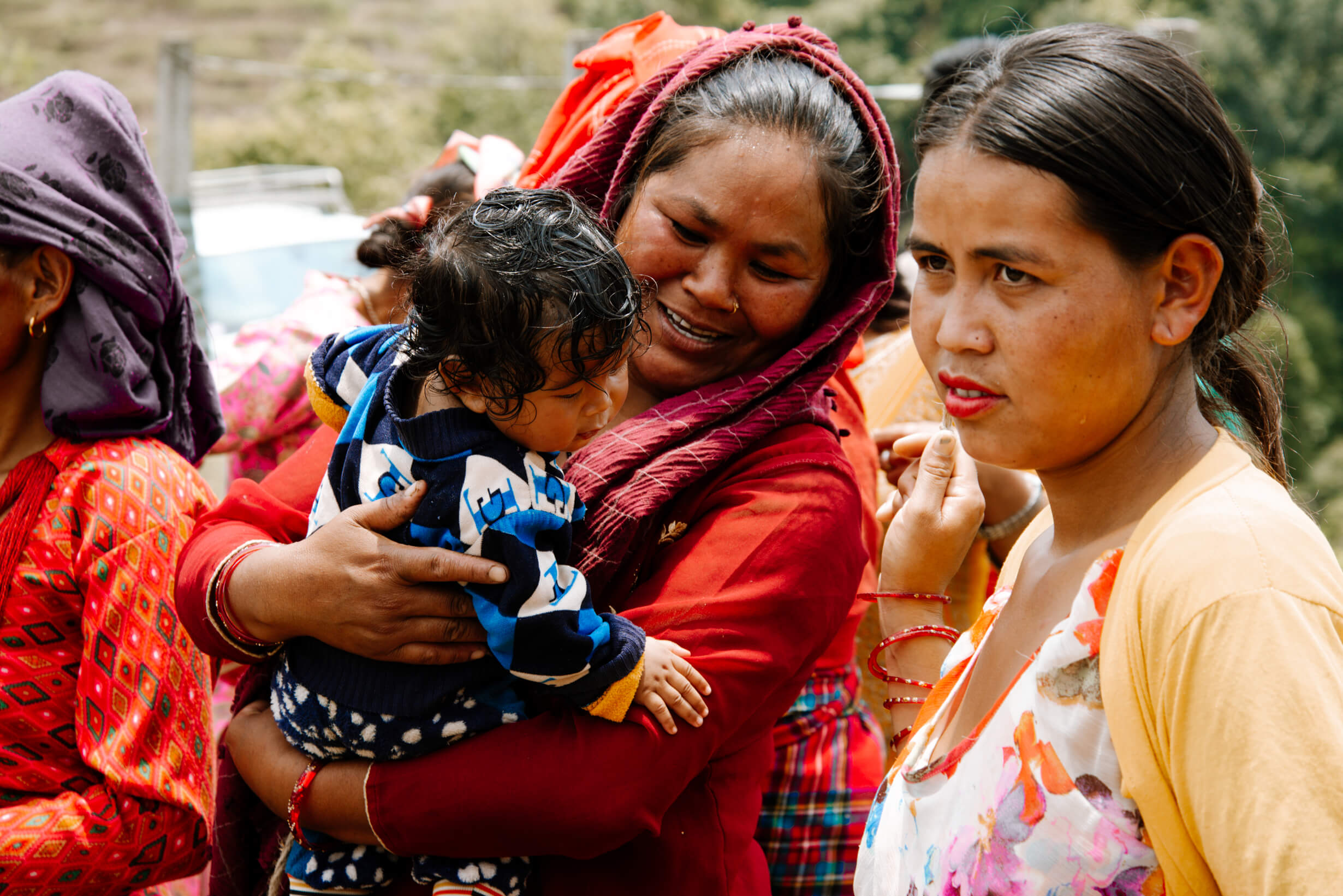
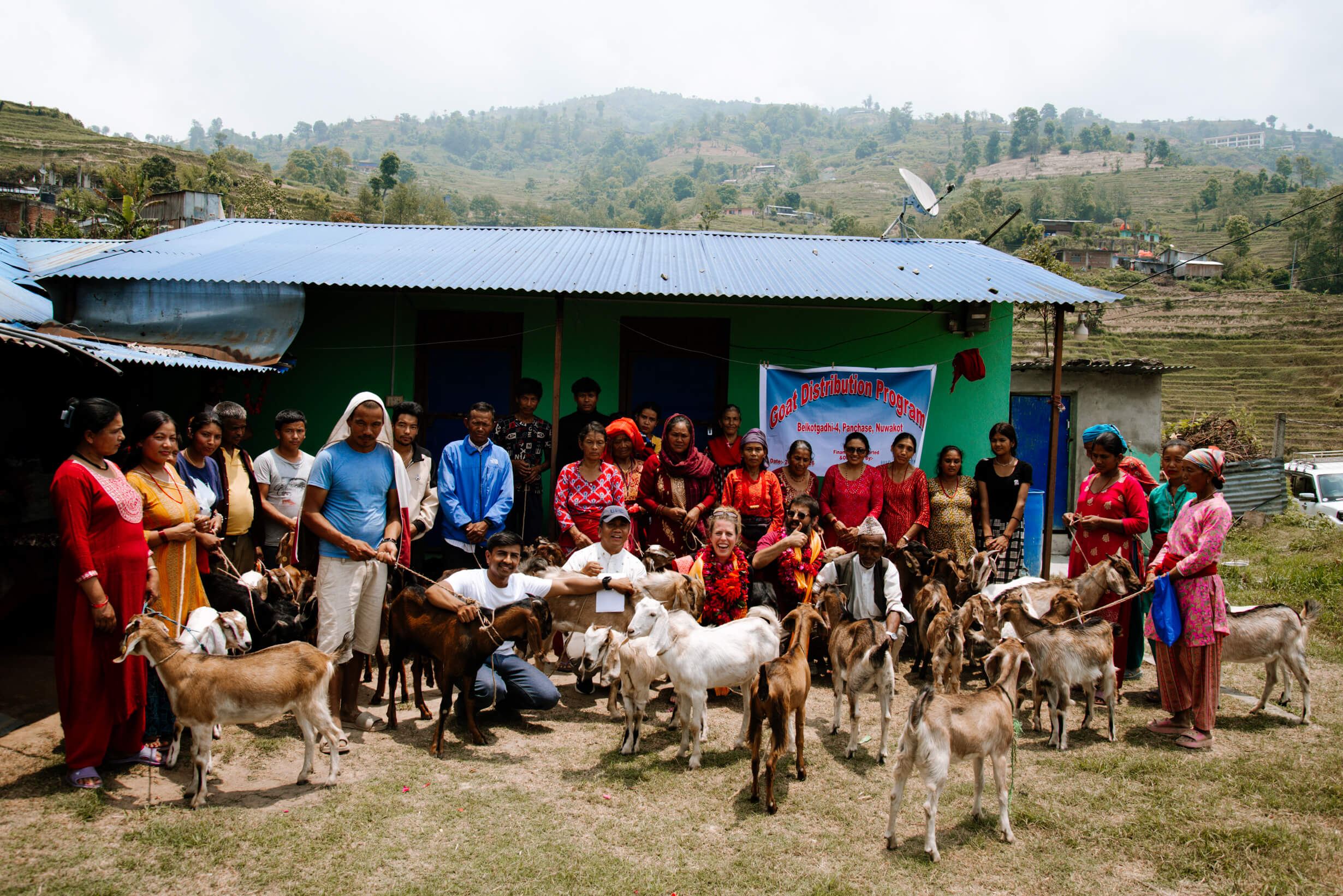
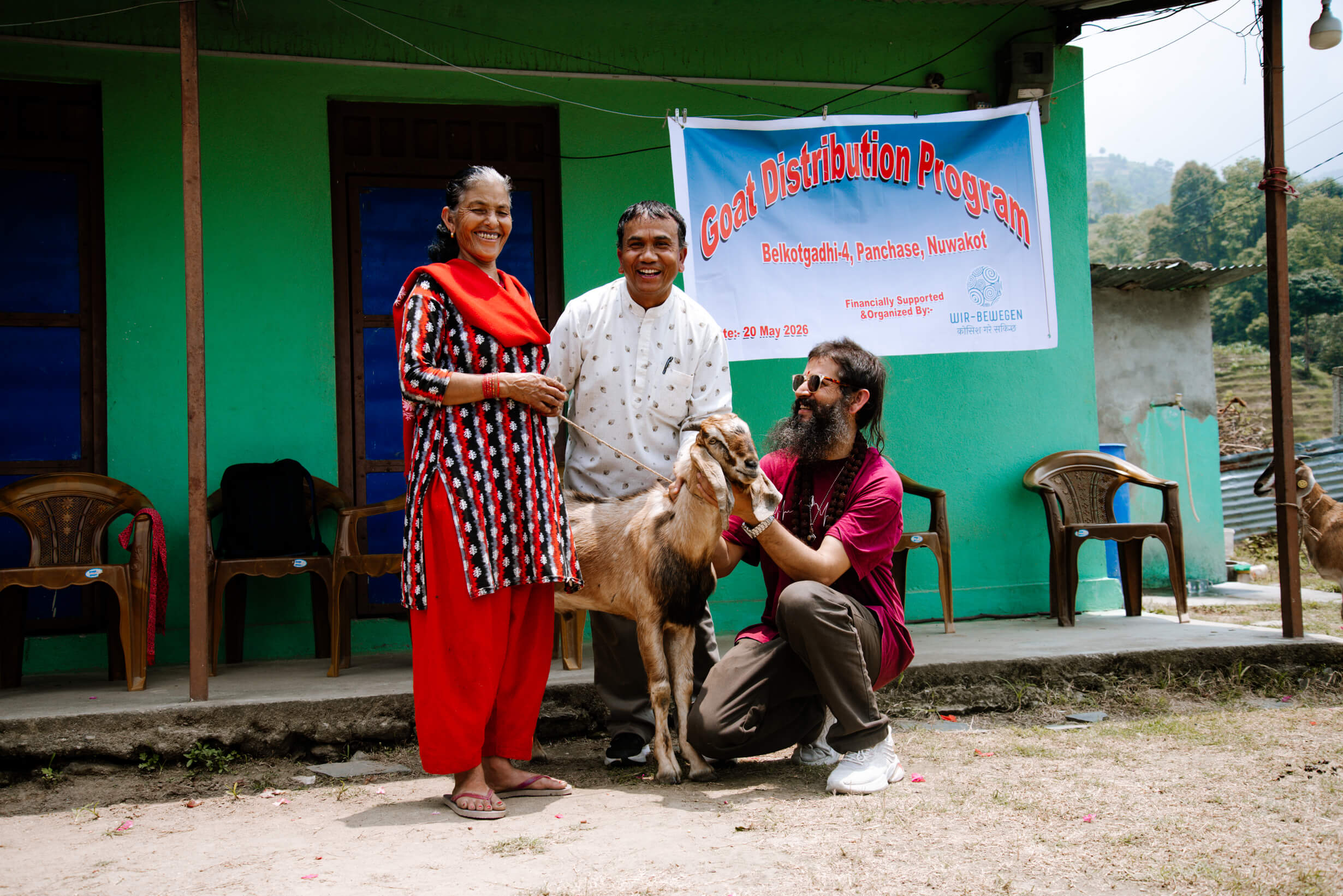
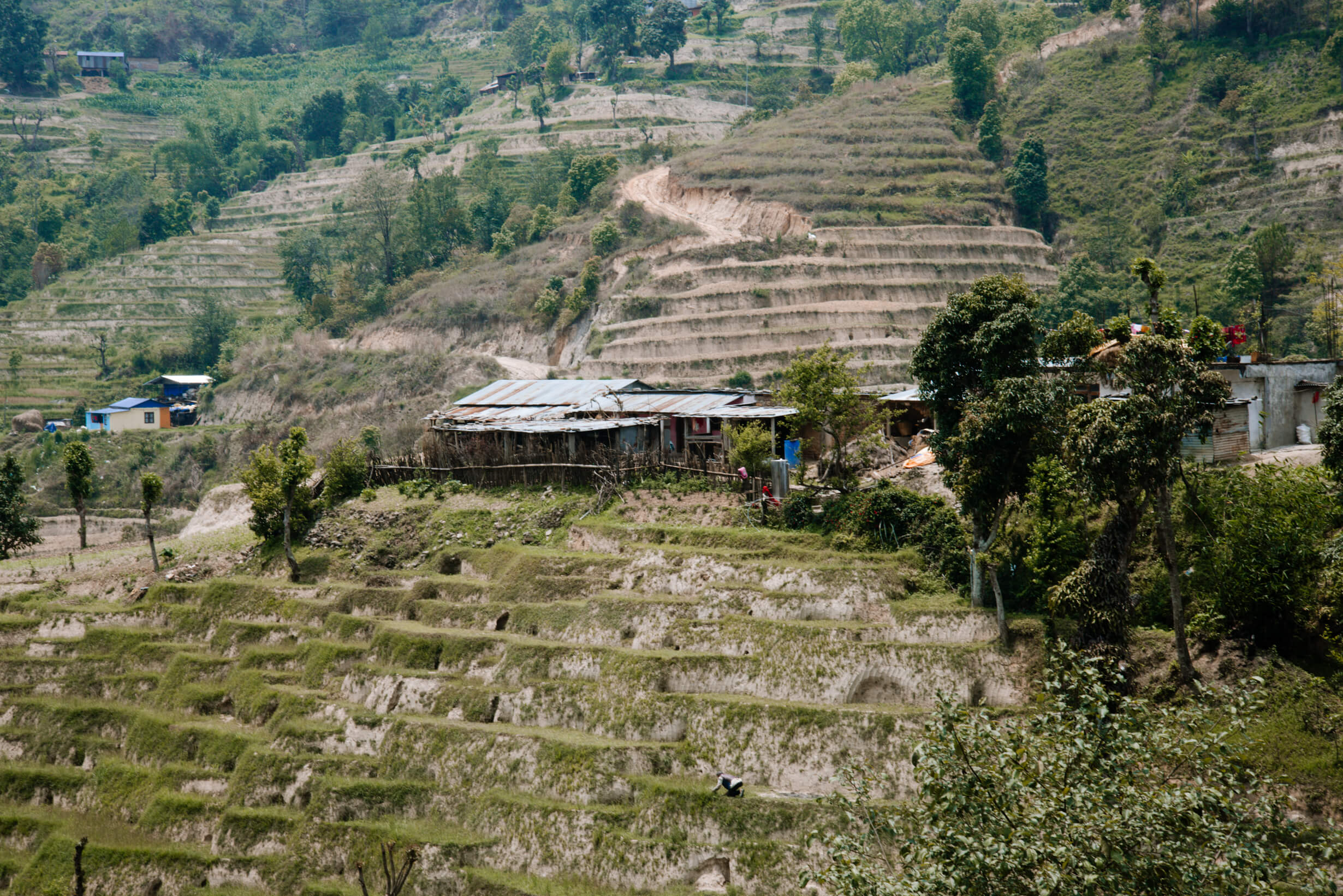
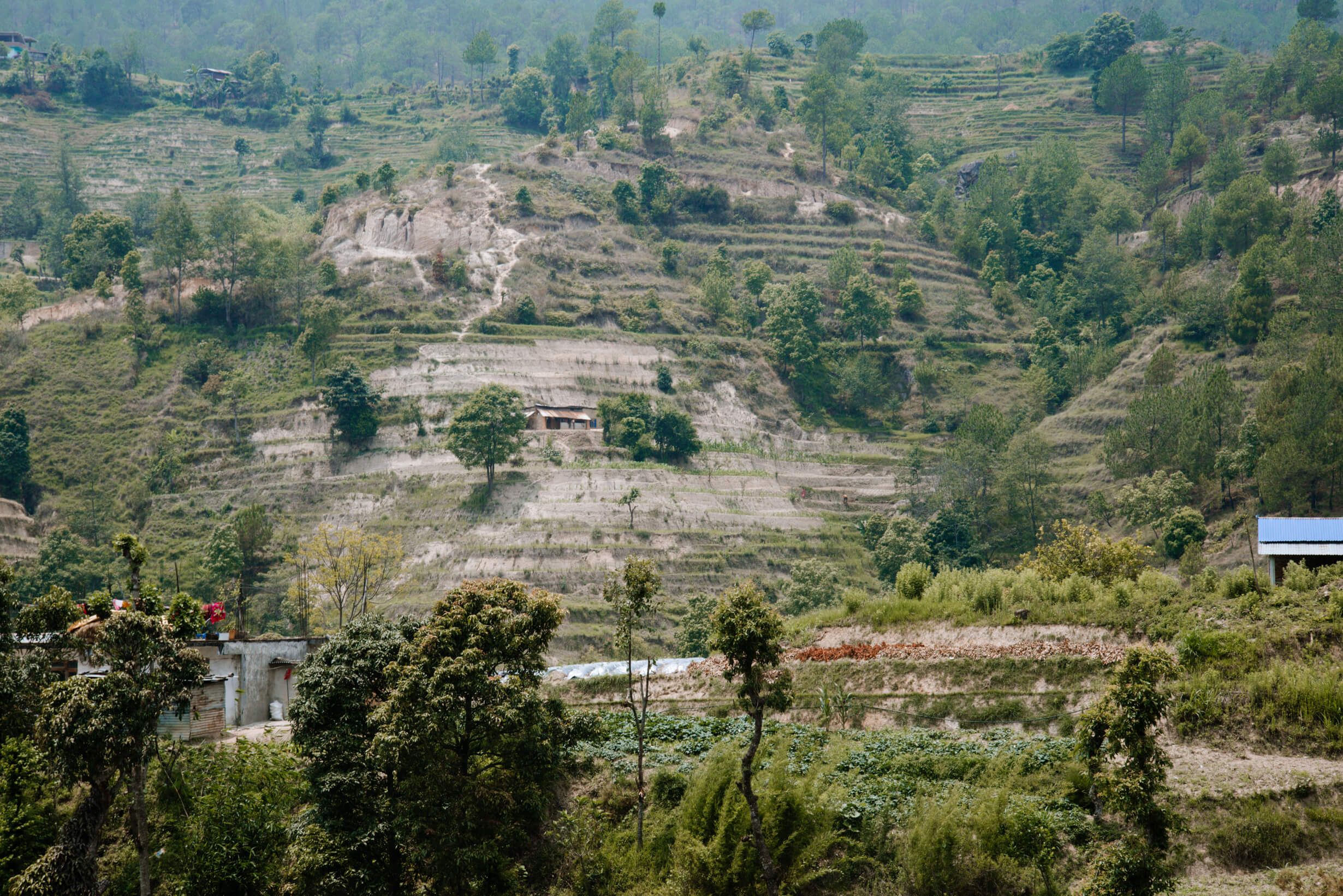
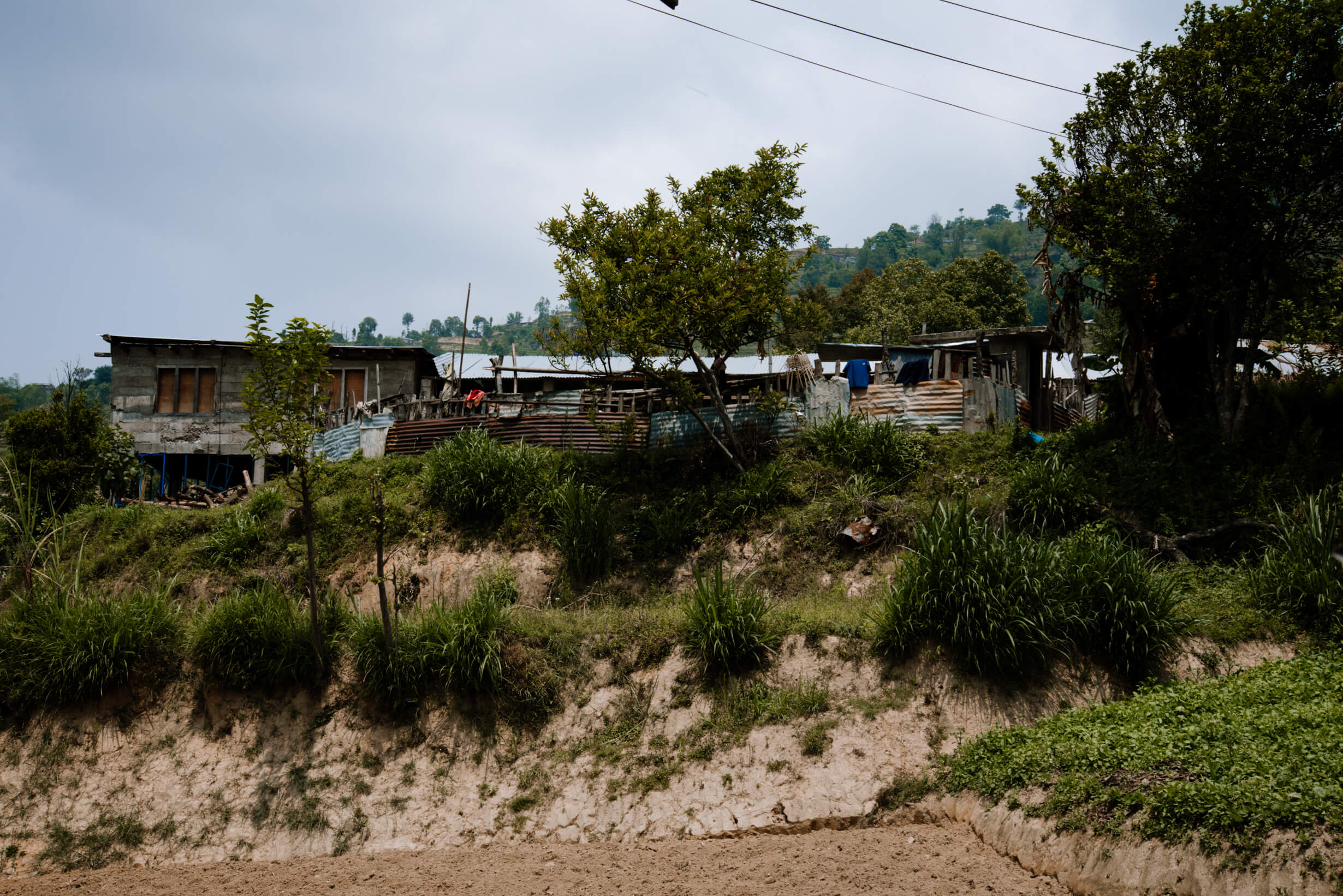
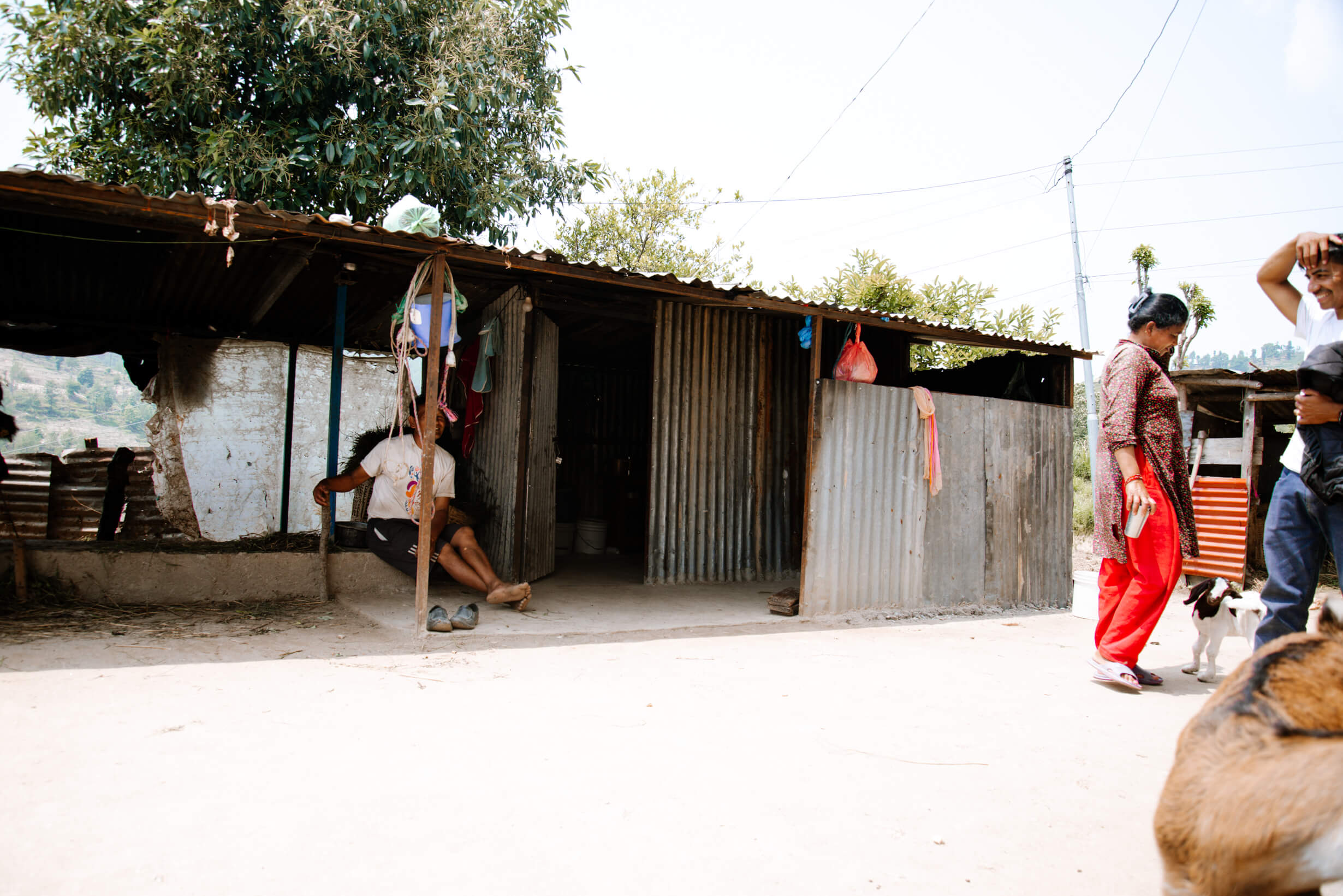
Upon arriving in Panchase, many villagers were still on their way – the village is extremely scattered across a steep hillside, and it takes time for everyone to gather. As is often the case, we held the ceremony at the home of a somewhat more affluent family. There are reasons for this: these families look after the village, support the most vulnerable, and simply have more space and seating. And they almost always invite us to a celebratory meal afterward – as a thank you.
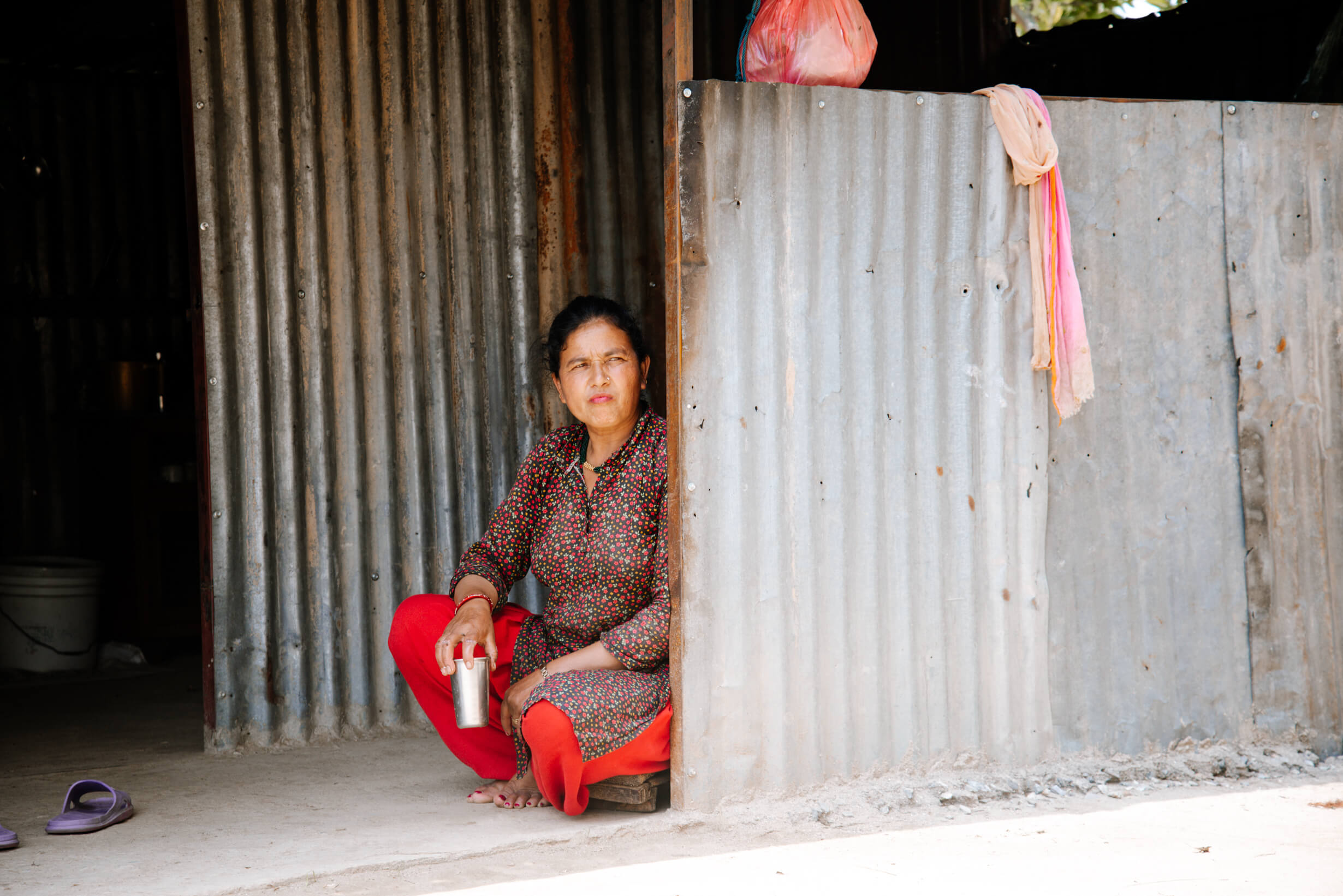
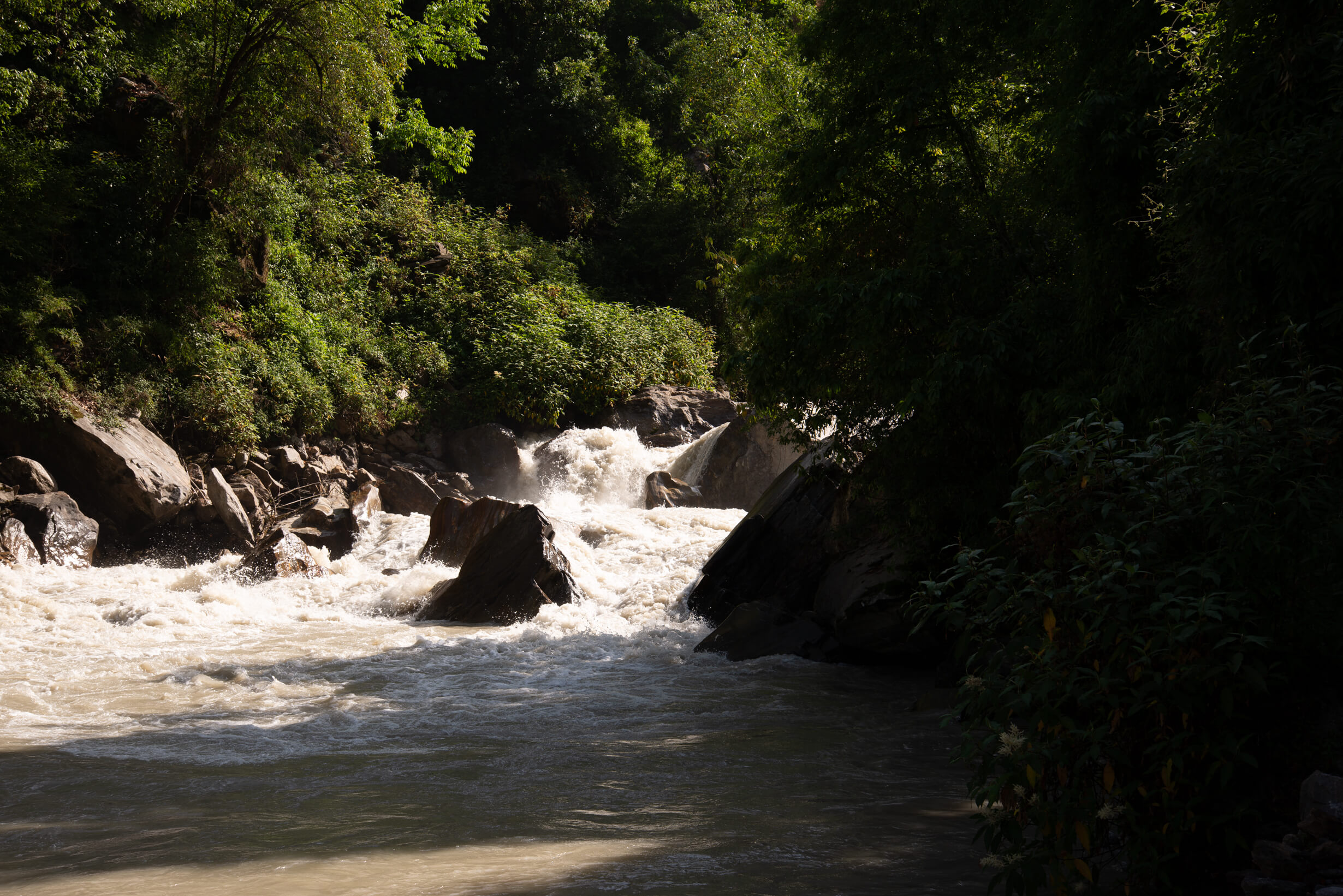
The poorest villagers live right down by the river and belong to the Tamang ethnic group. Many single women—a whole group of them—said goodbye at the end of the ceremony and headed towards the river. Unfortunately, we couldn't drive down in the jeep; the path was also blocked by a landslide. On top of that, it was around 32 degrees Celsius and oppressively humid—not exactly ideal for an hour-long hike downhill.
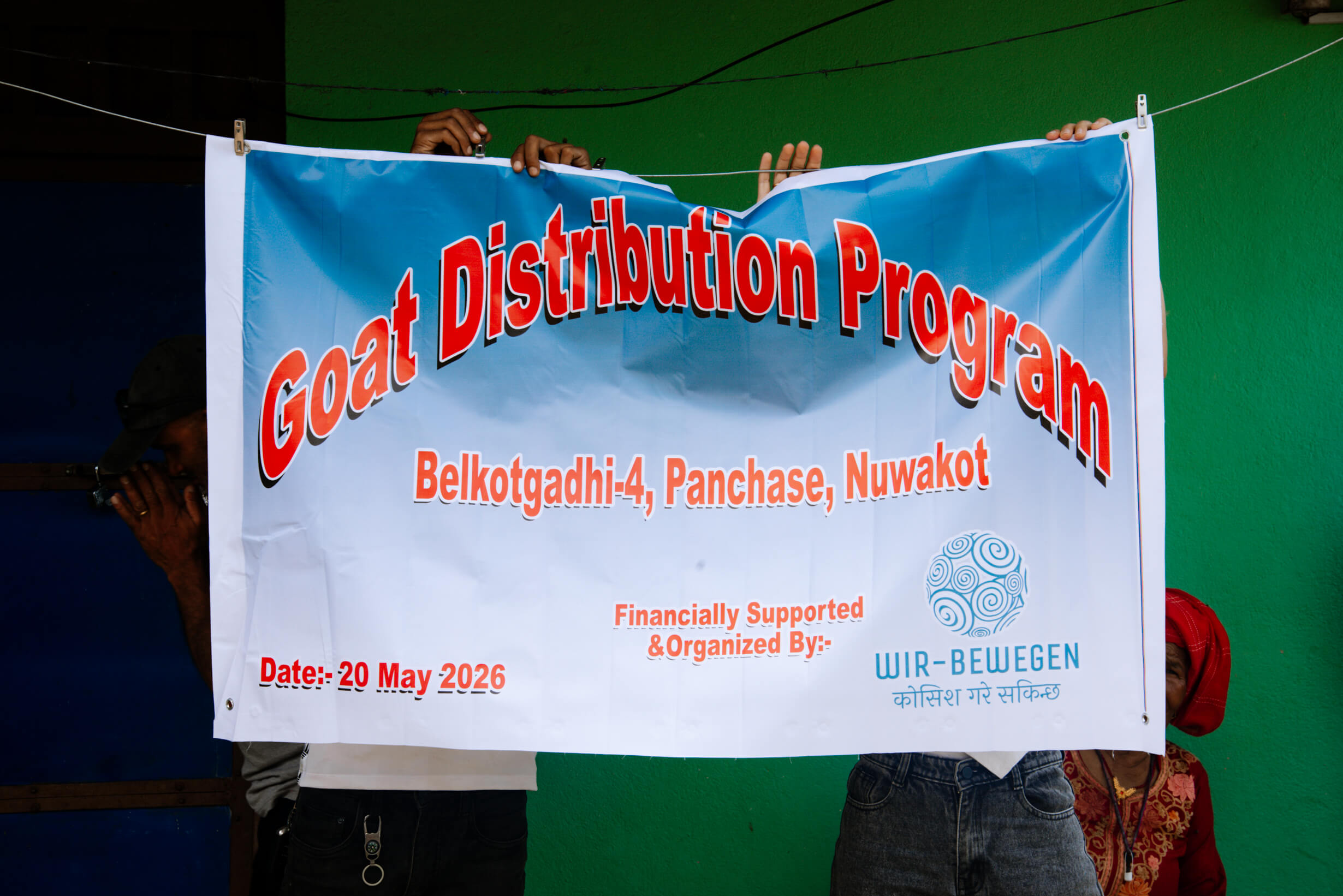
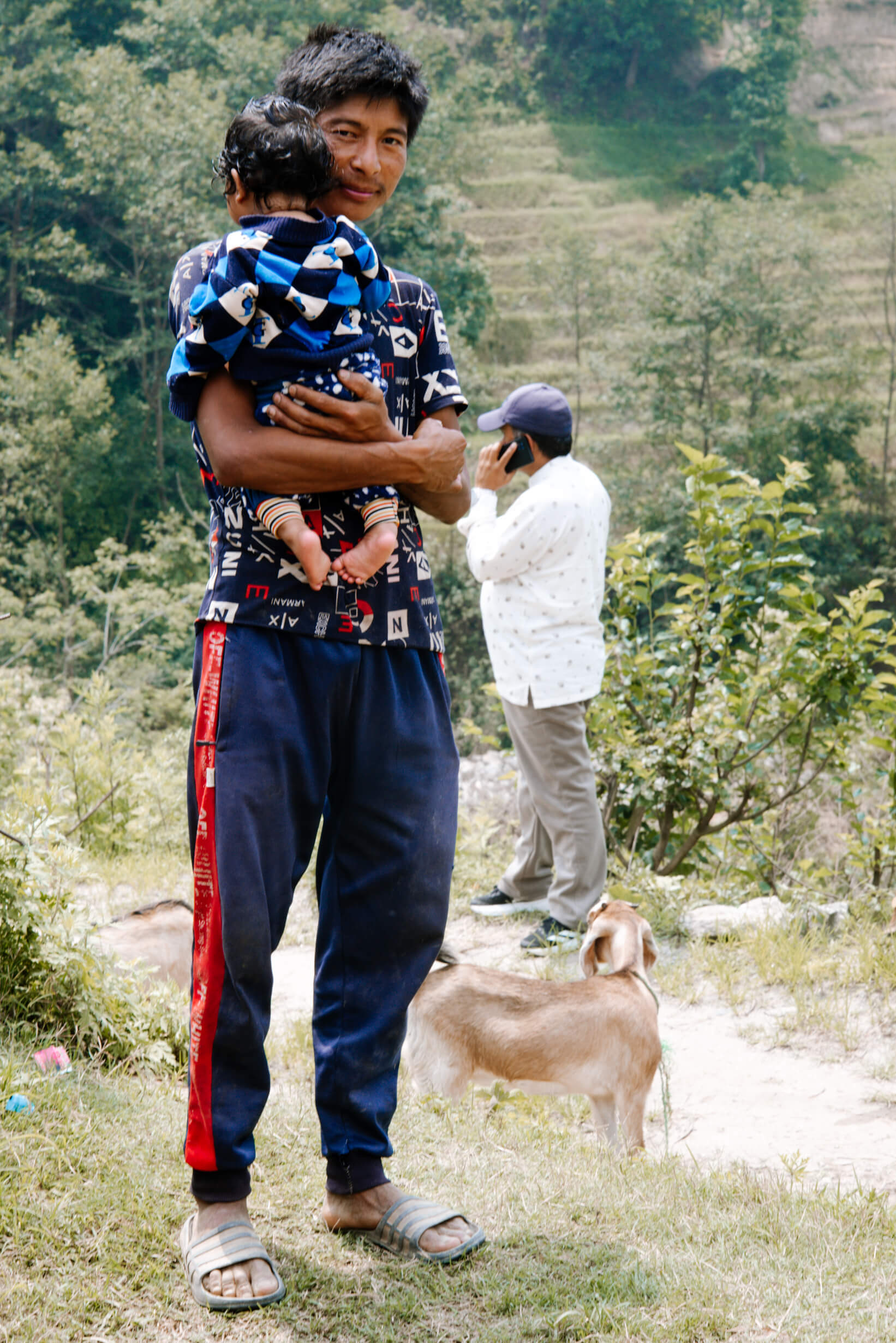
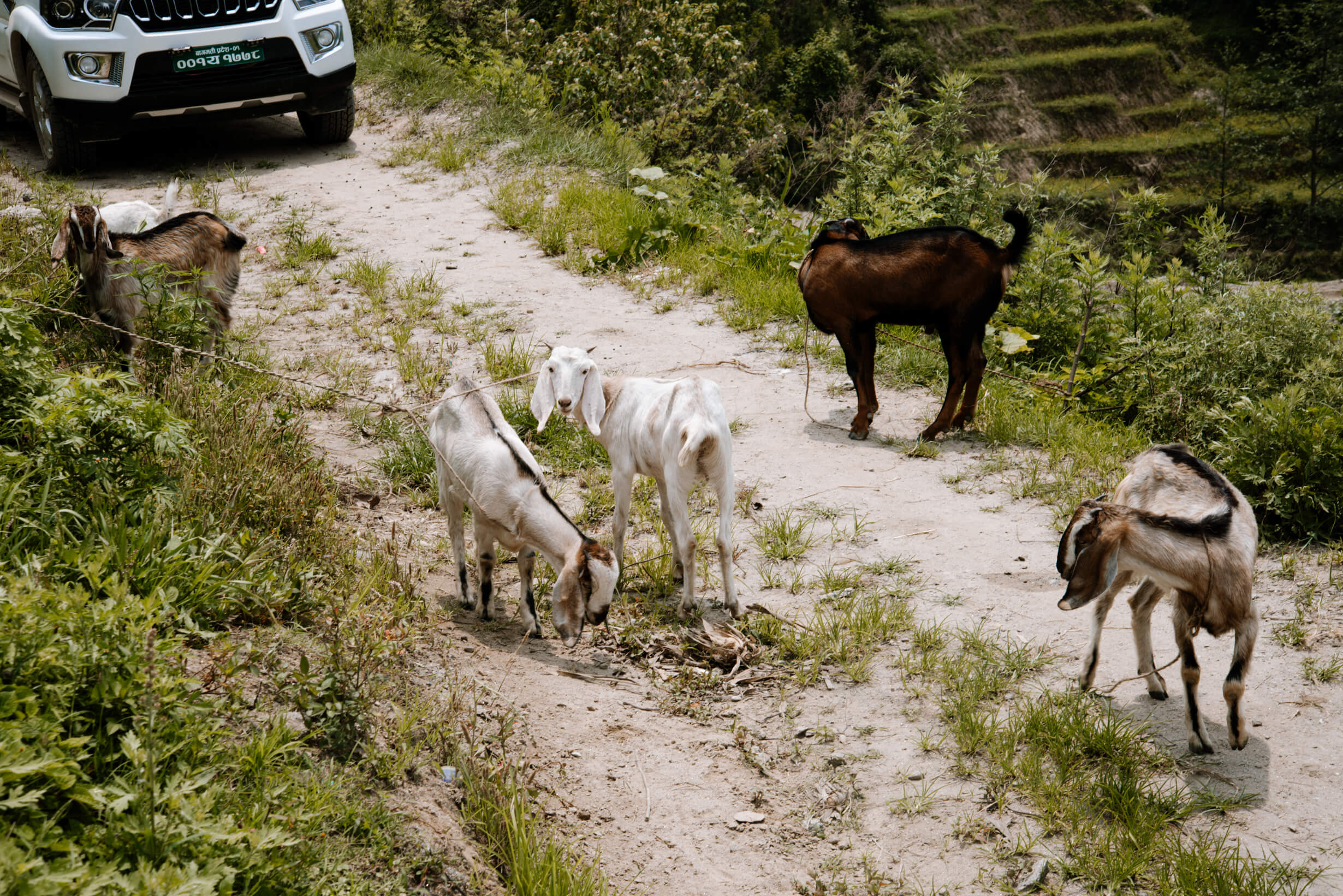
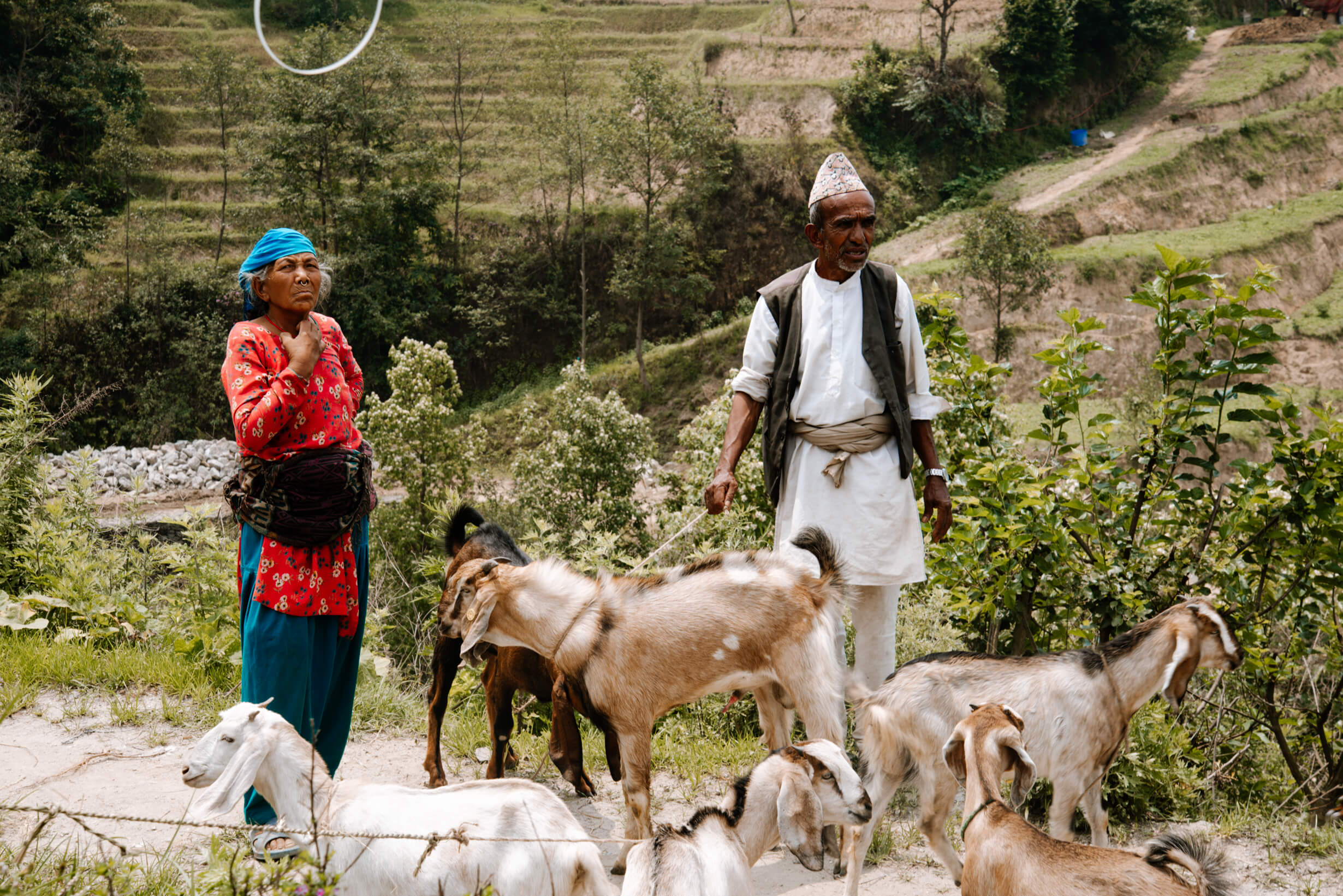
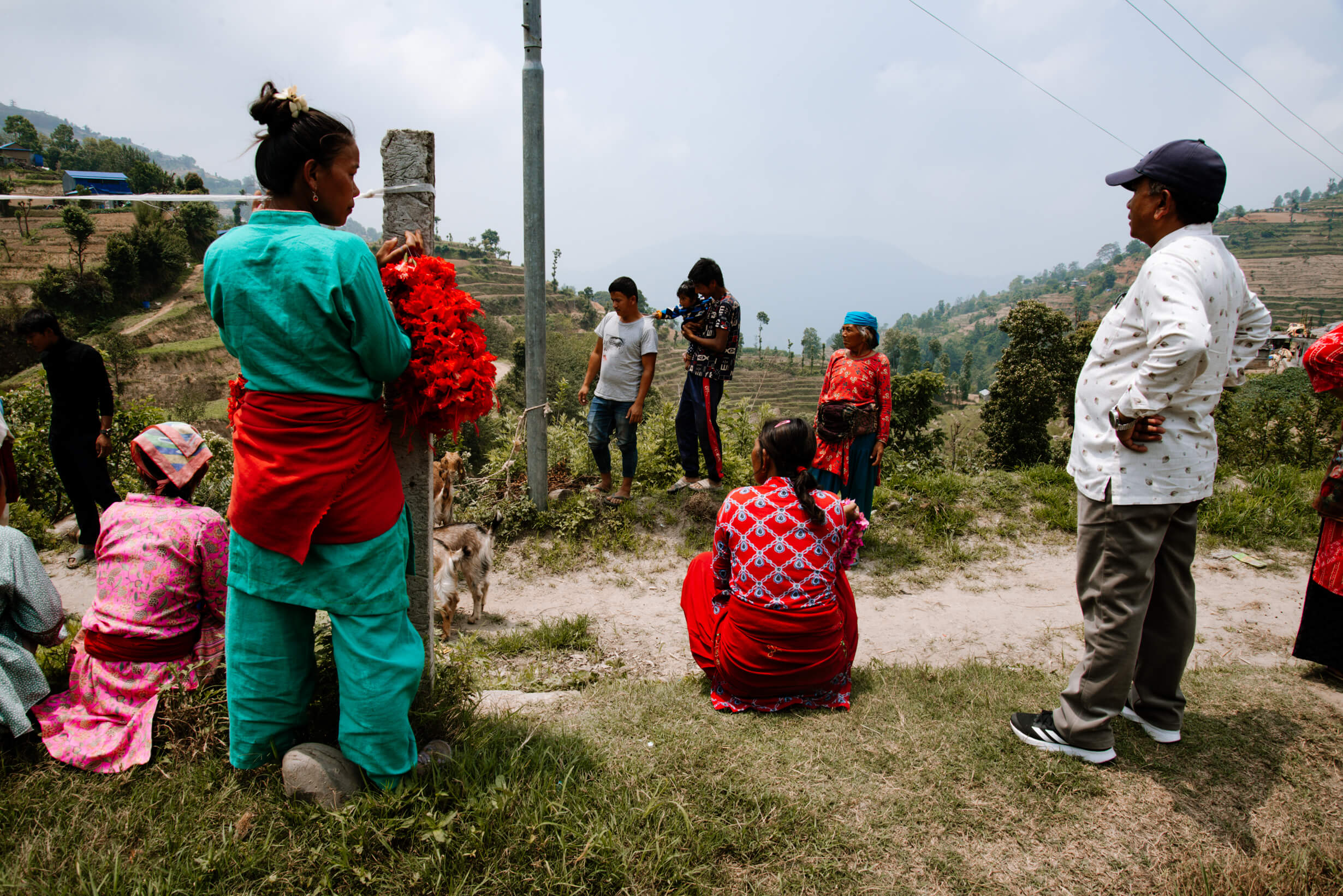
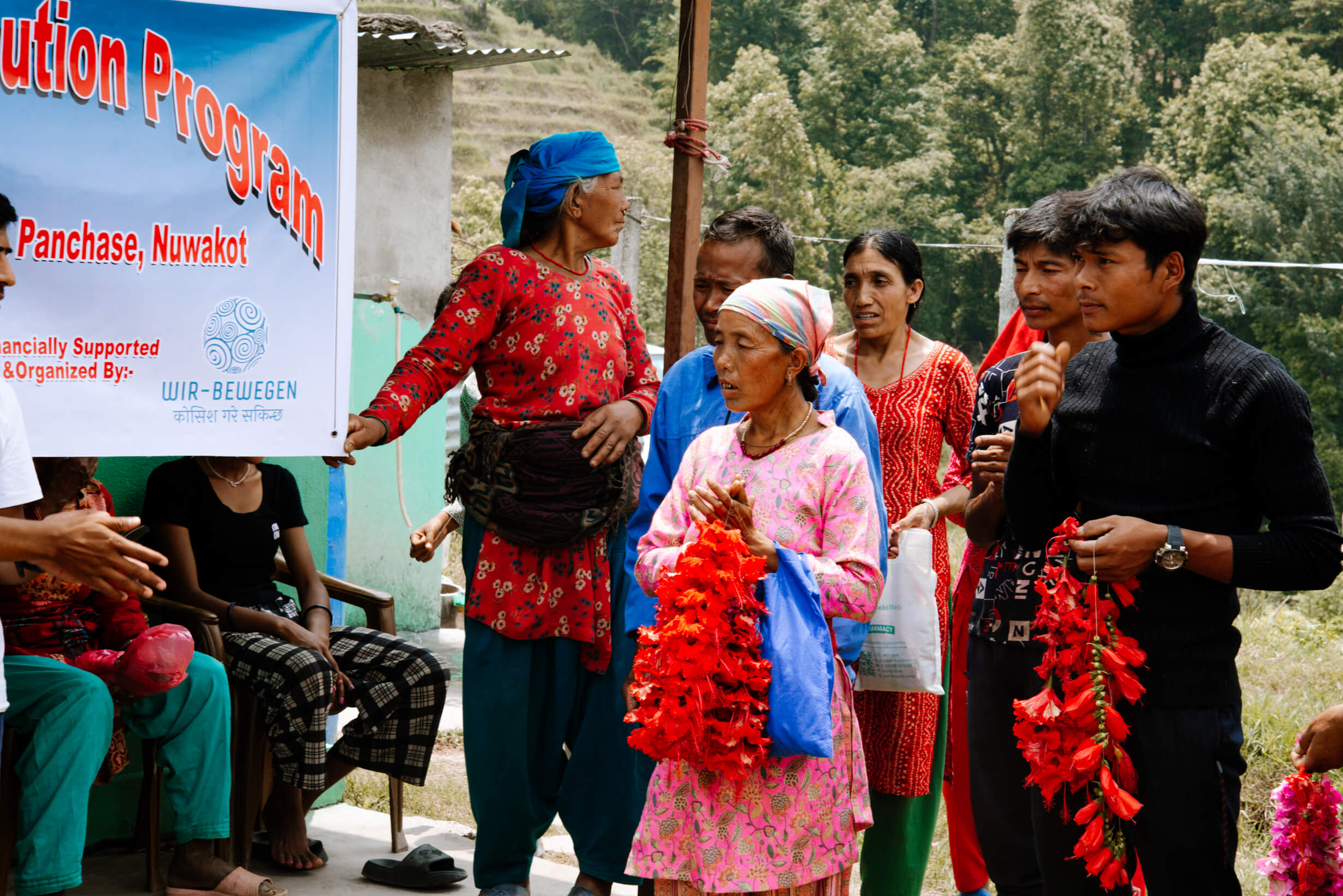
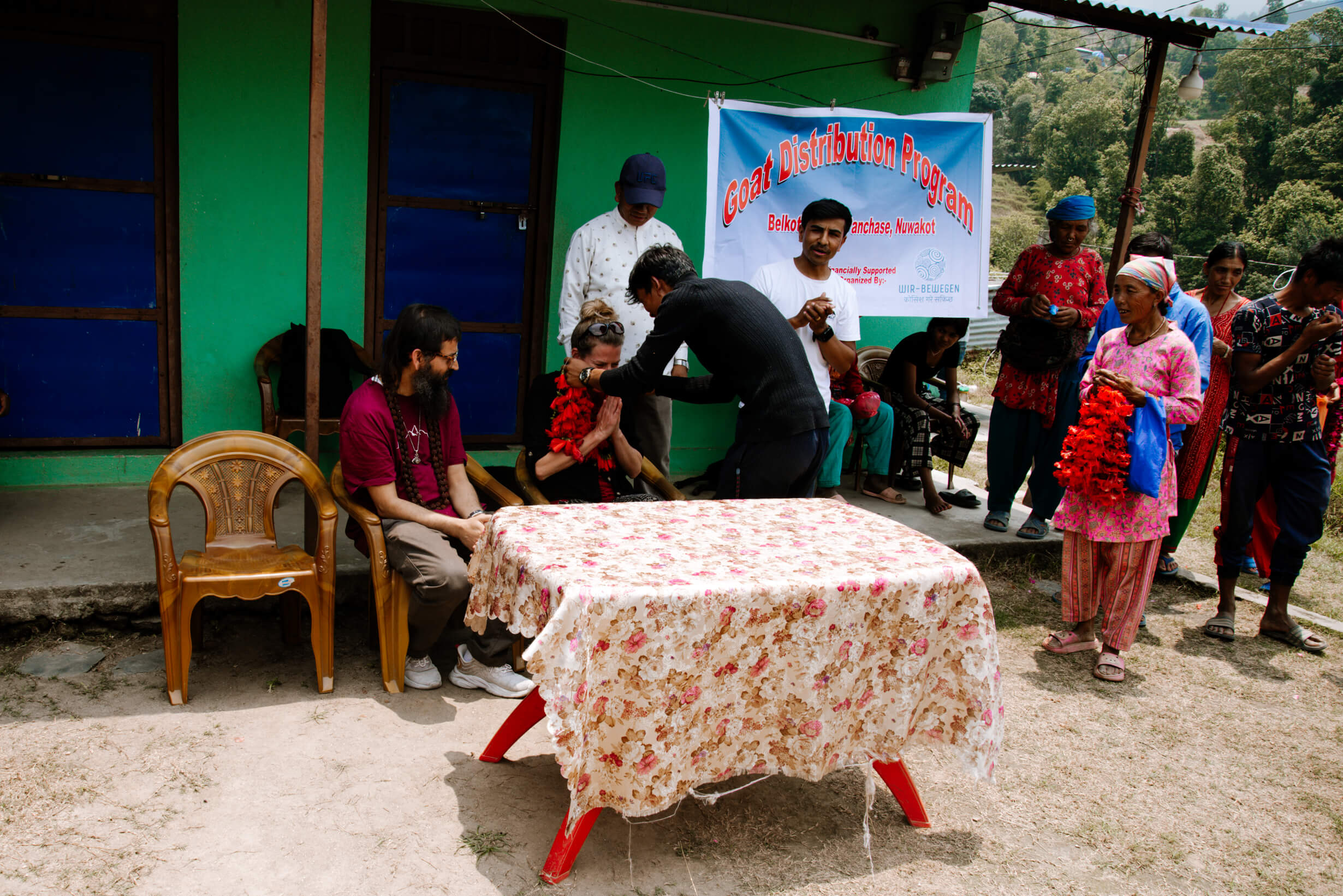
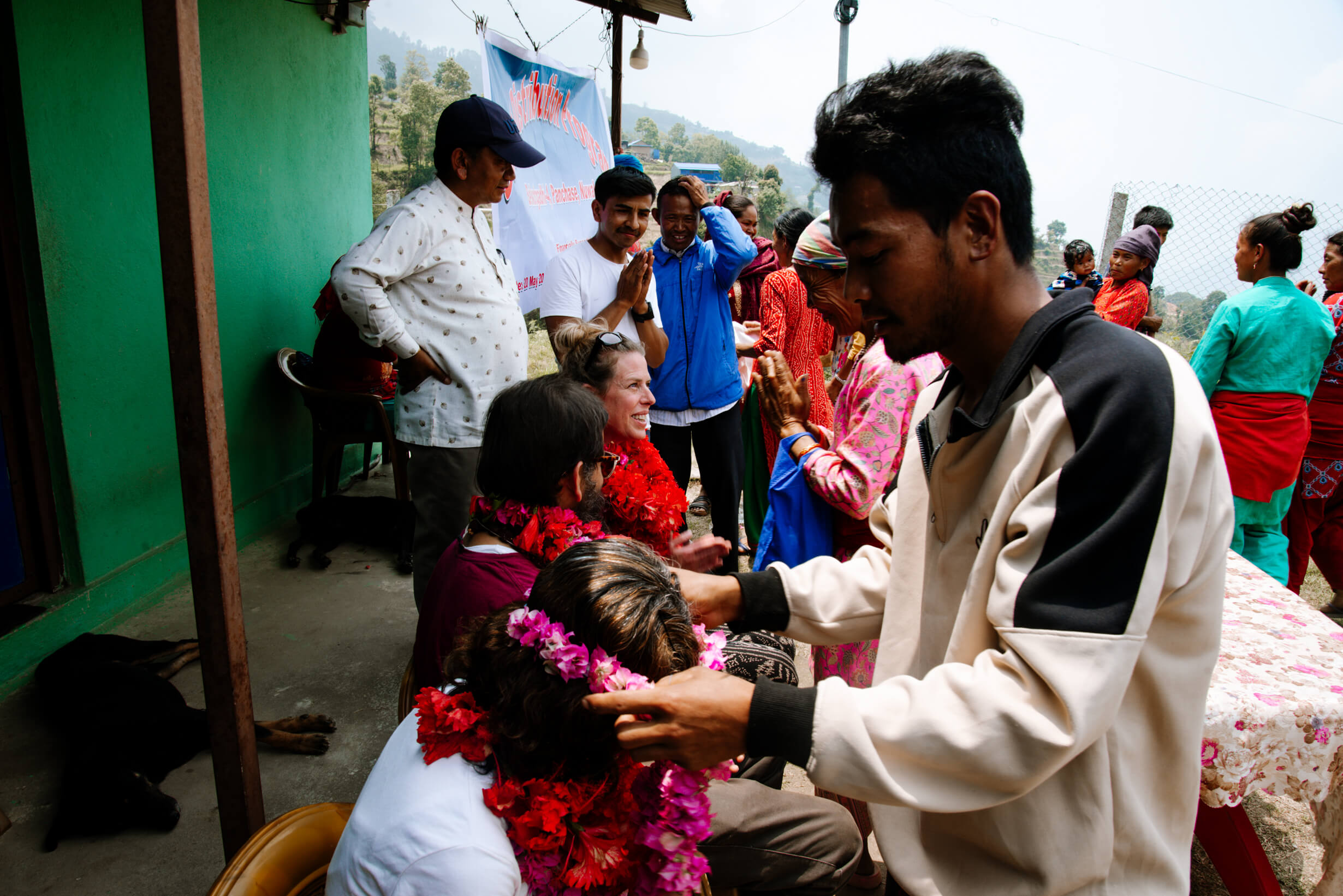
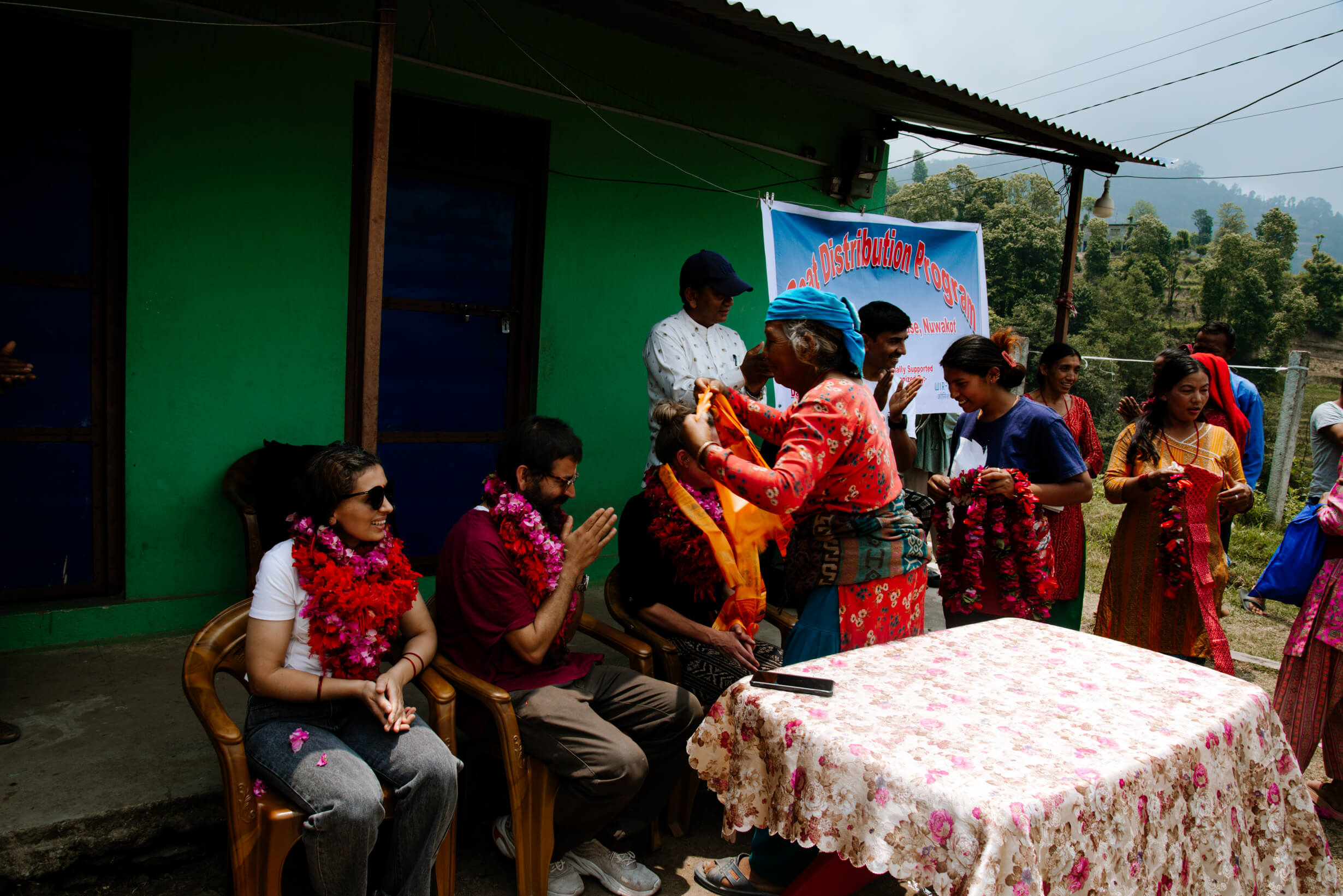
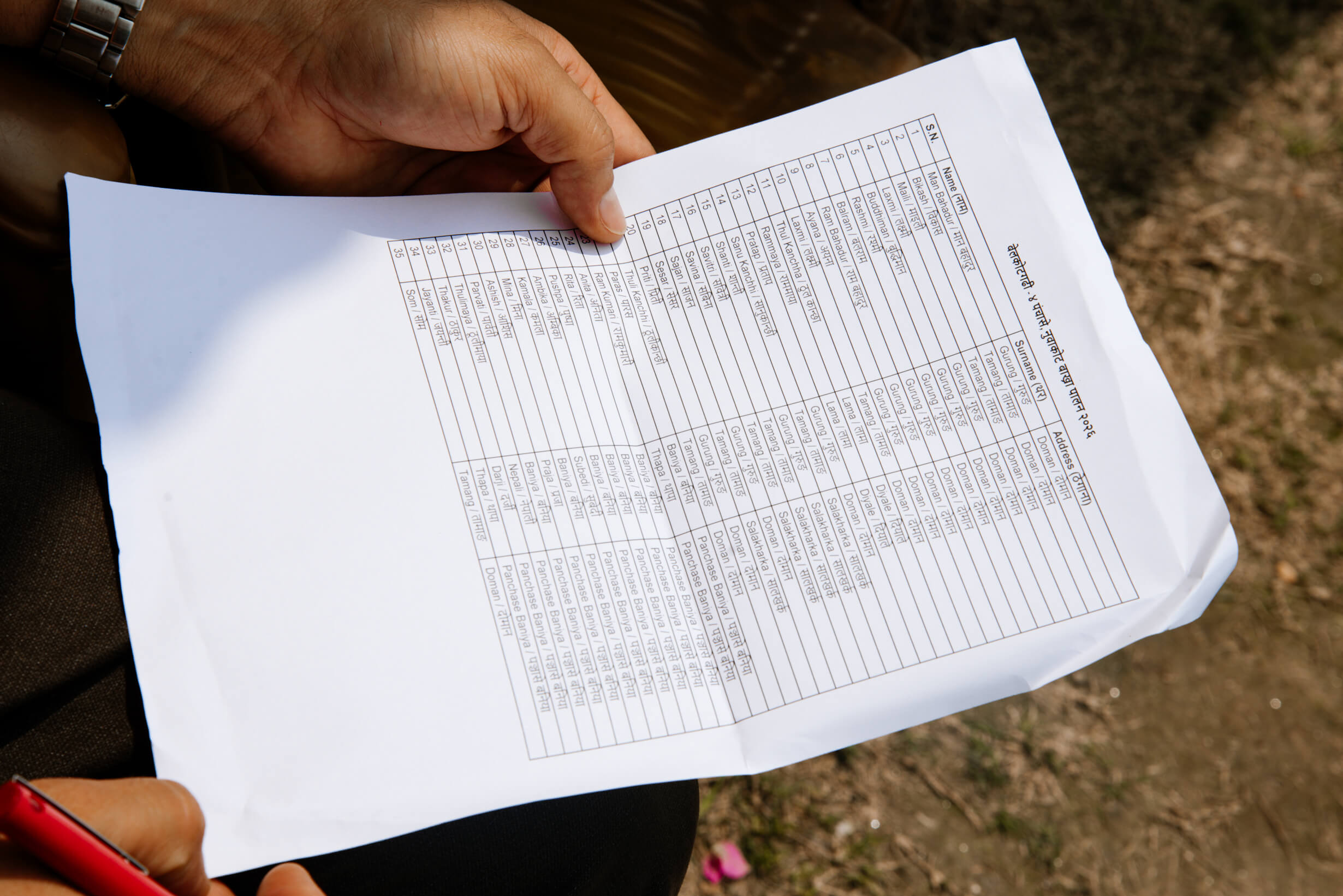
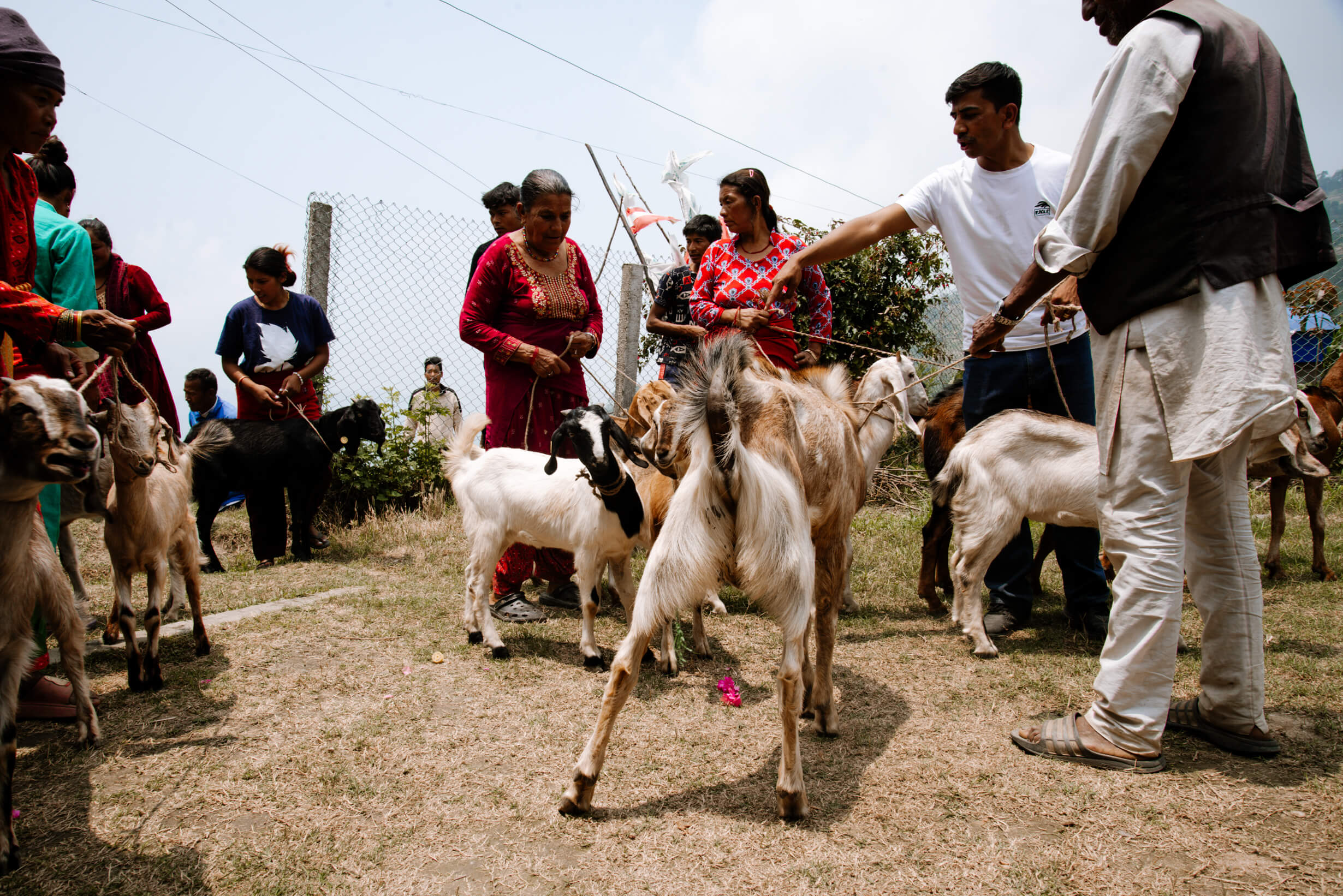
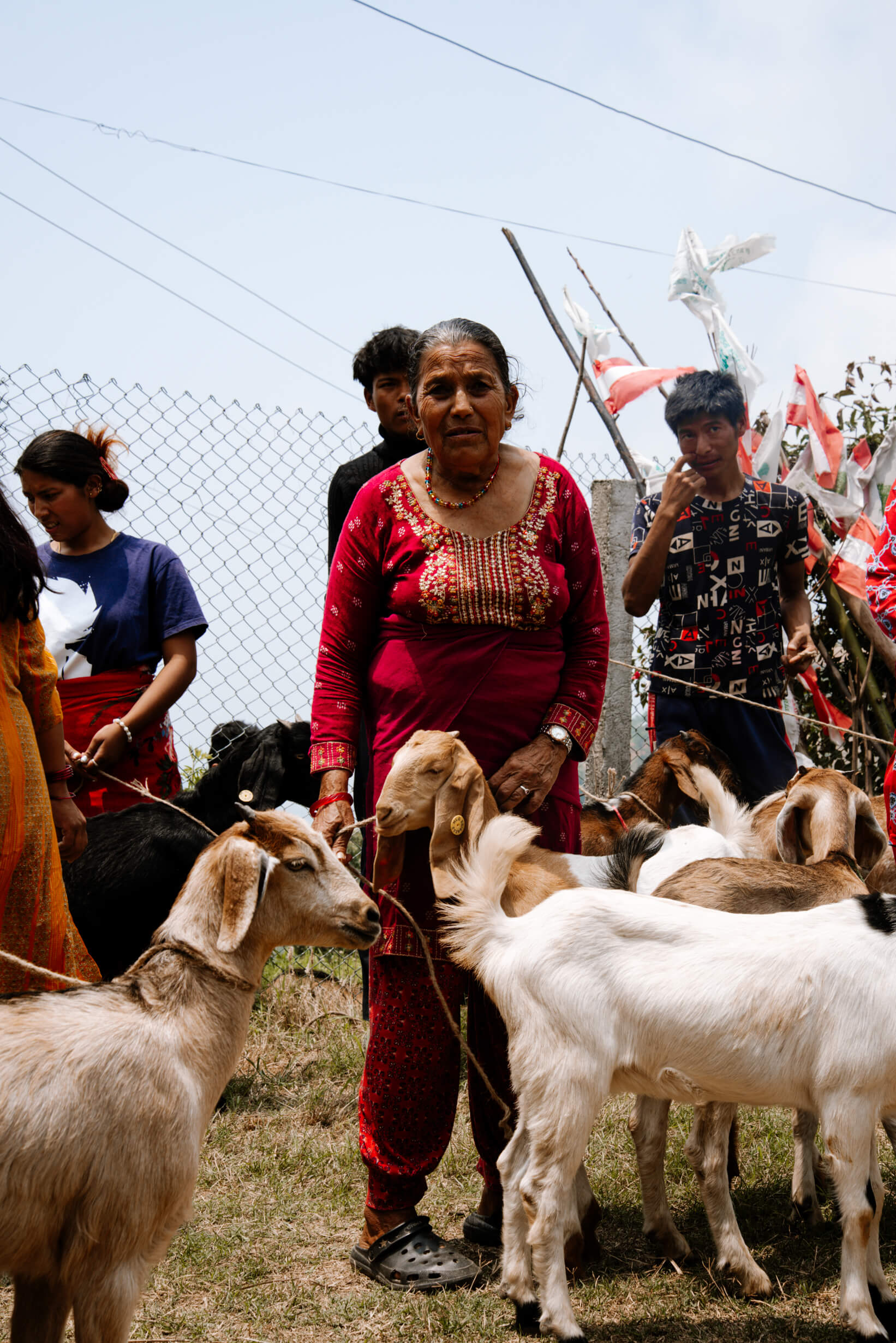
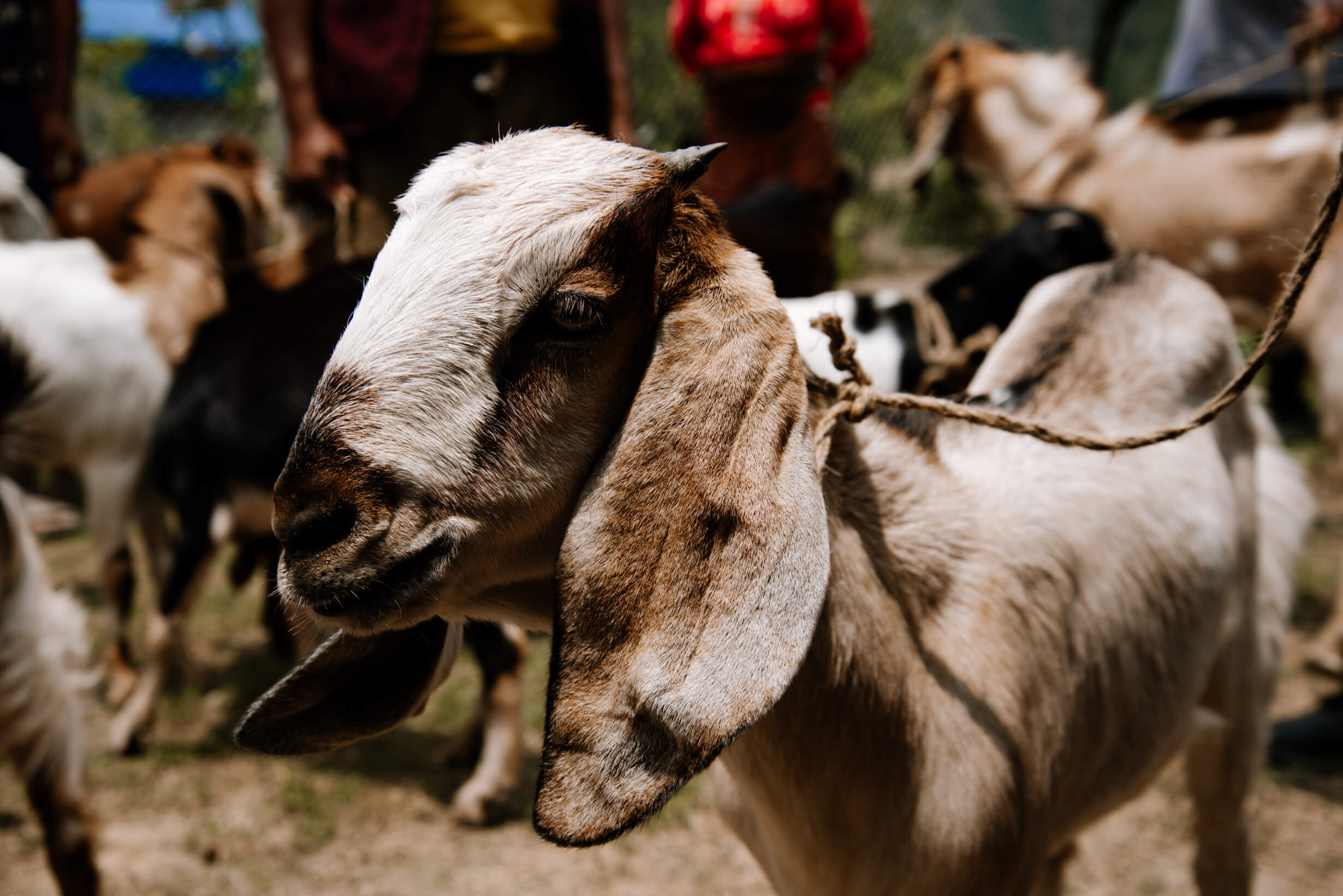
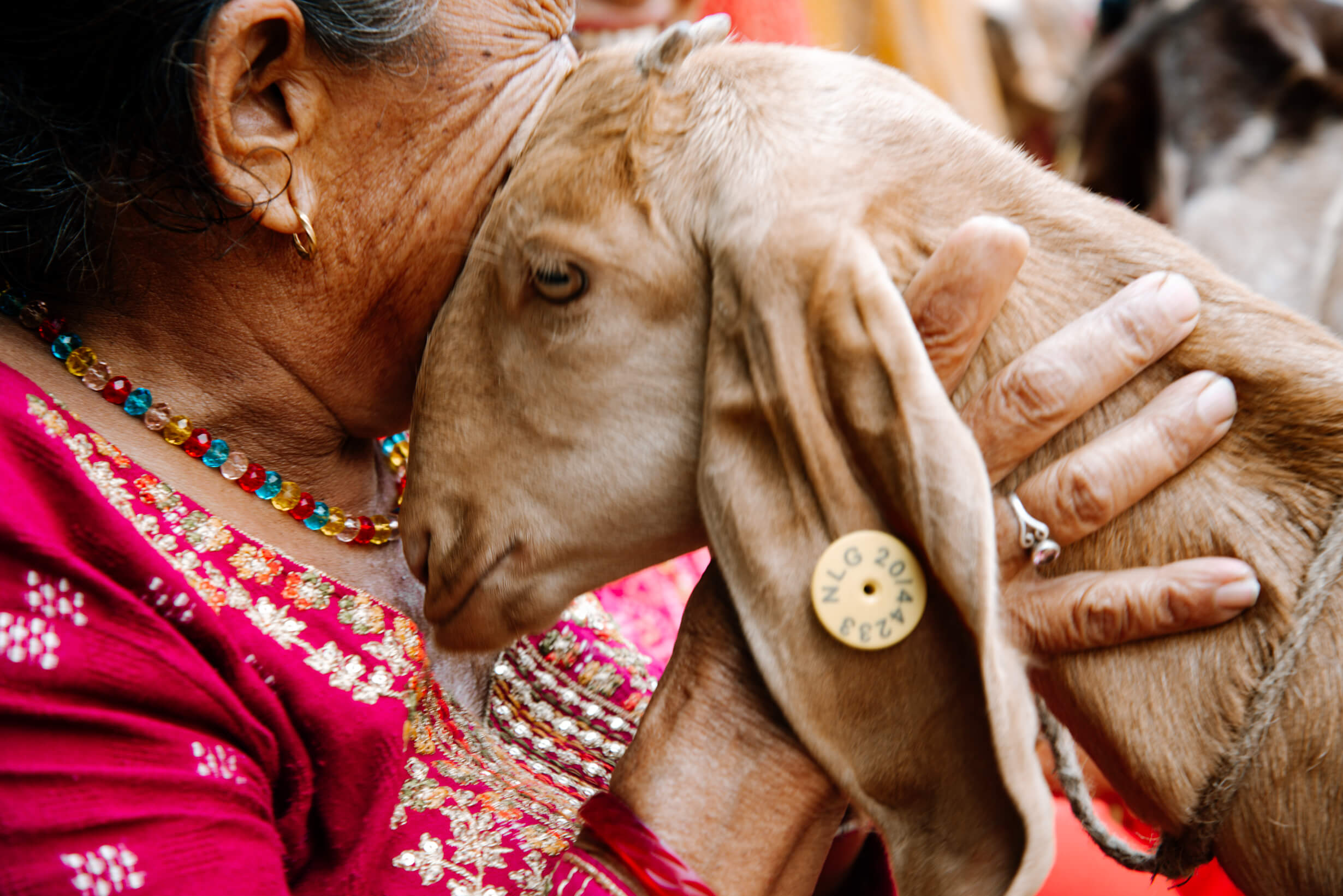
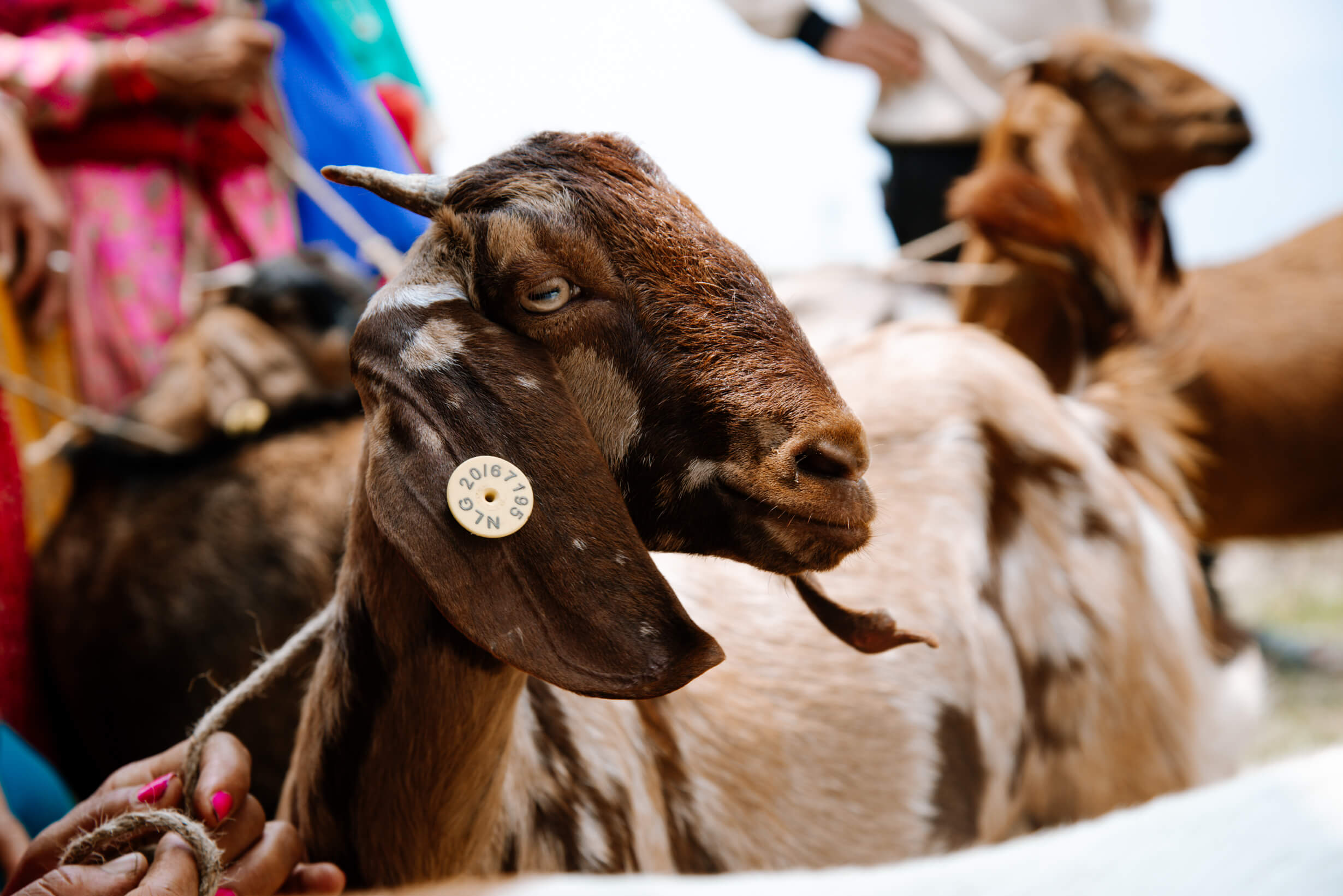
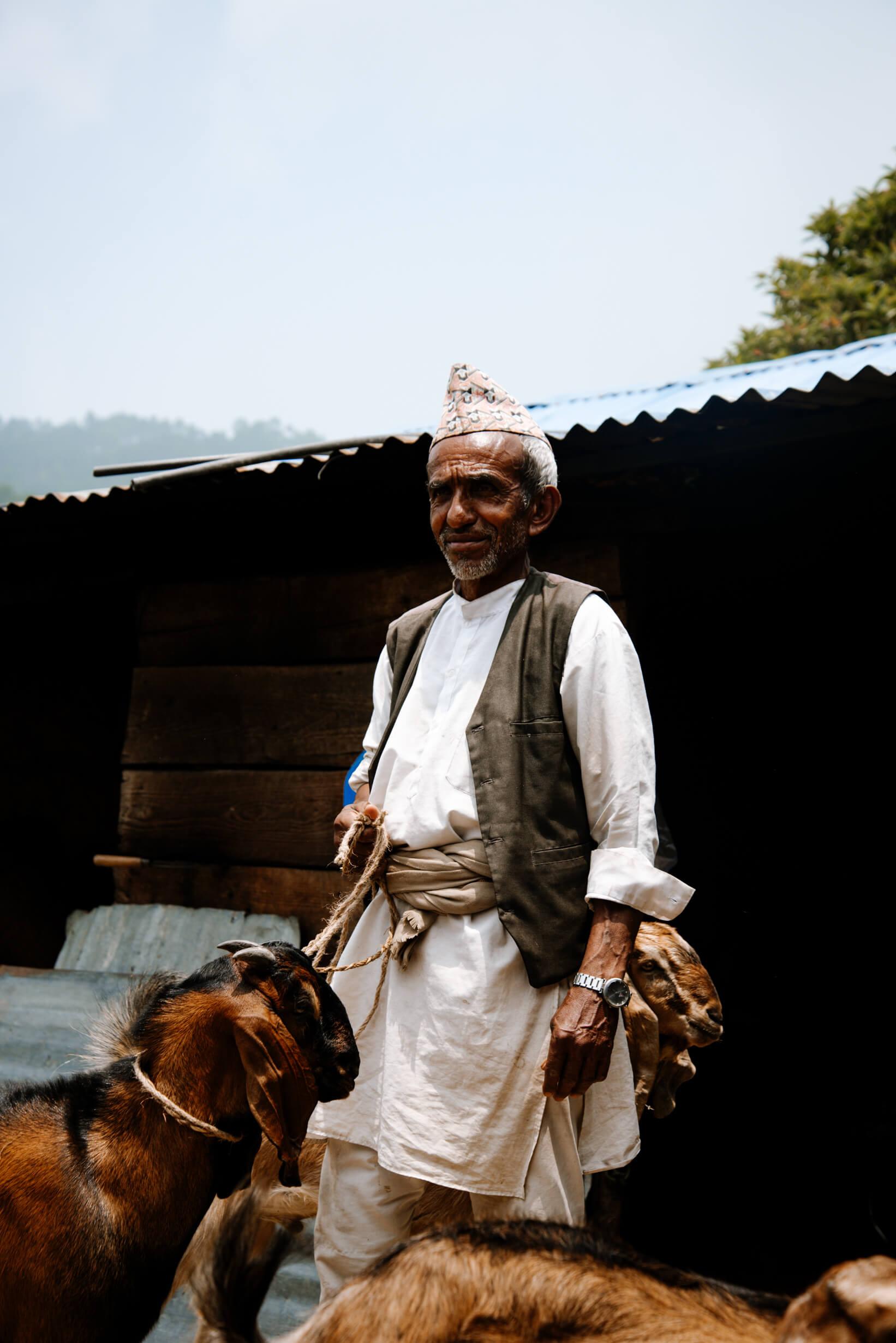
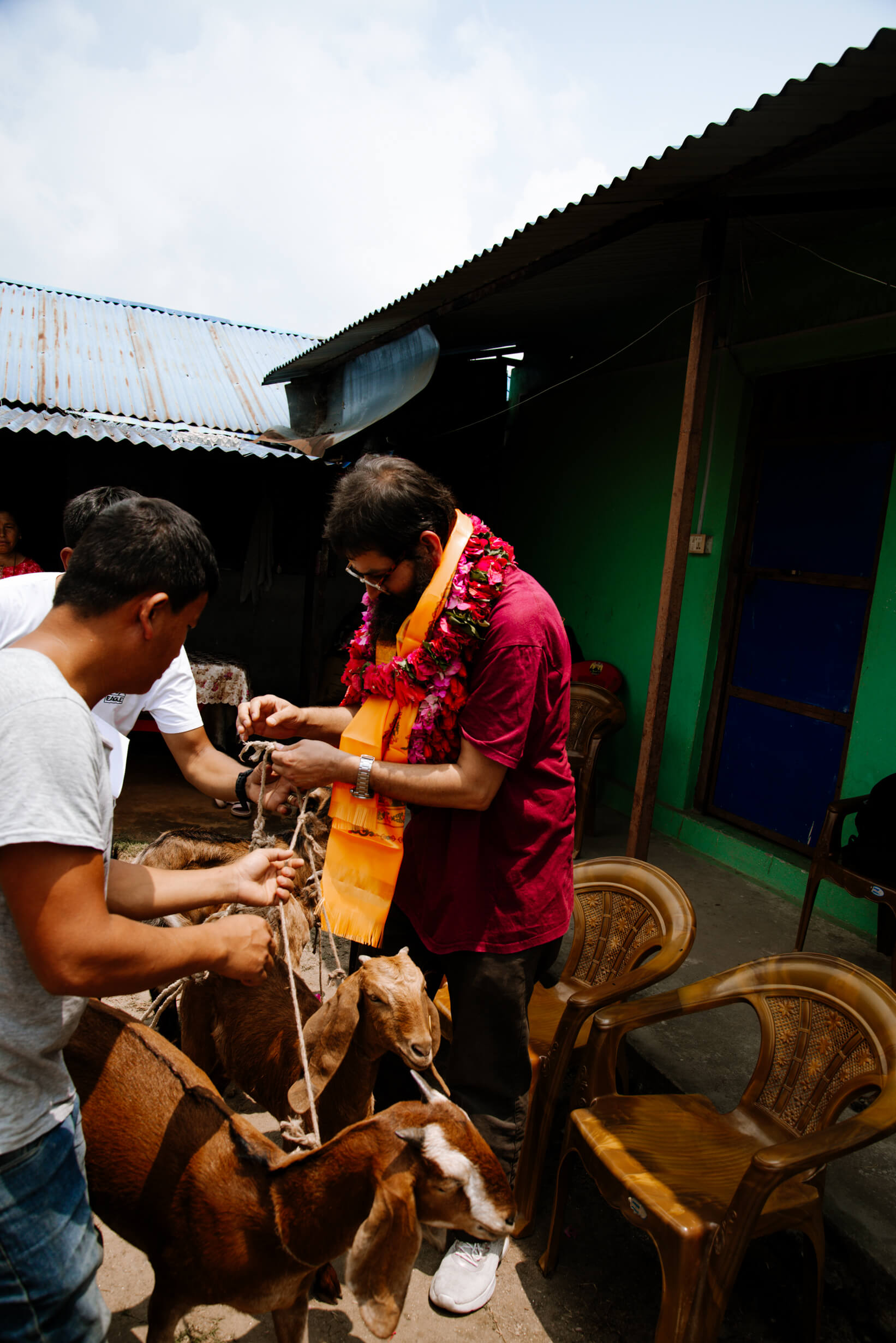
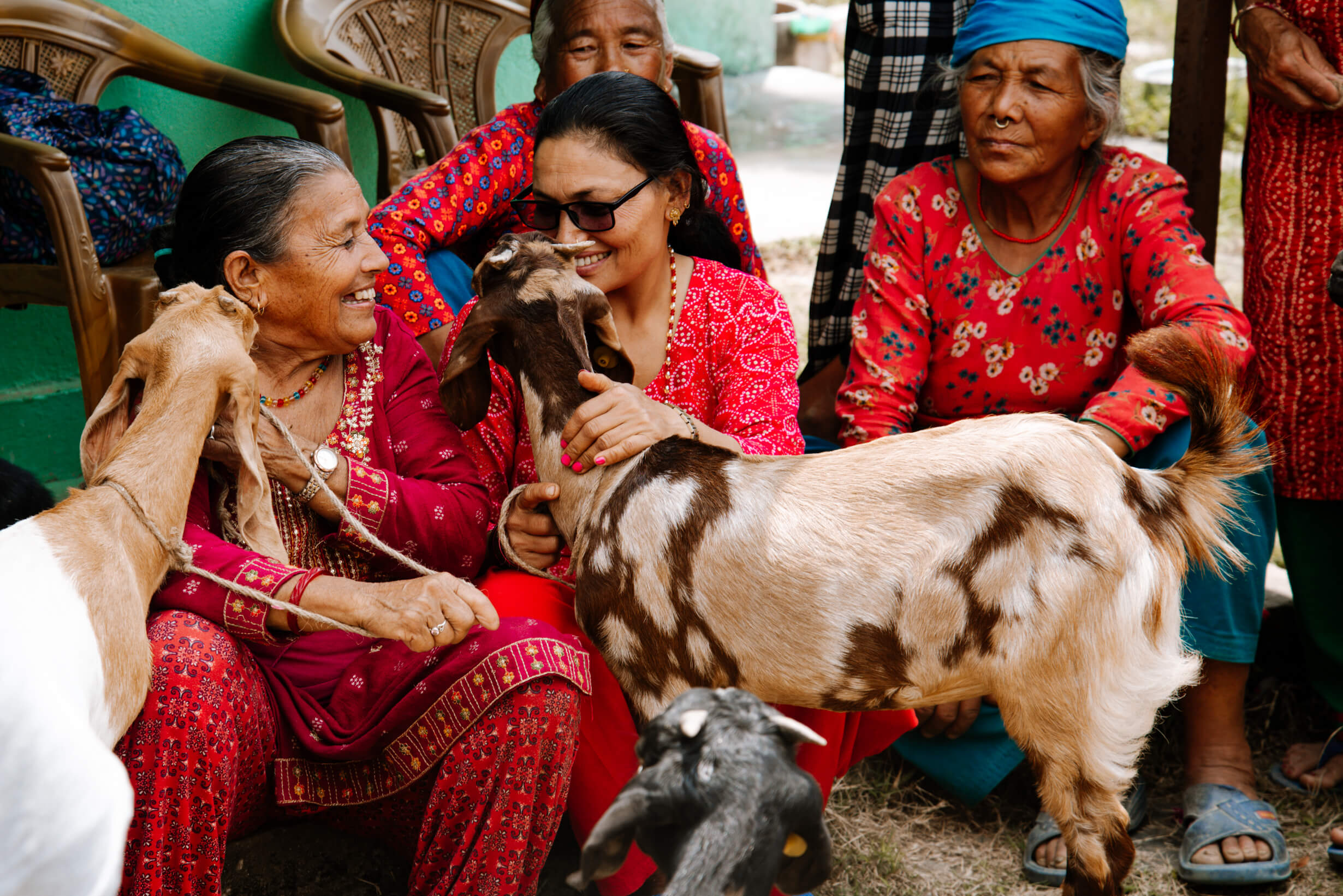
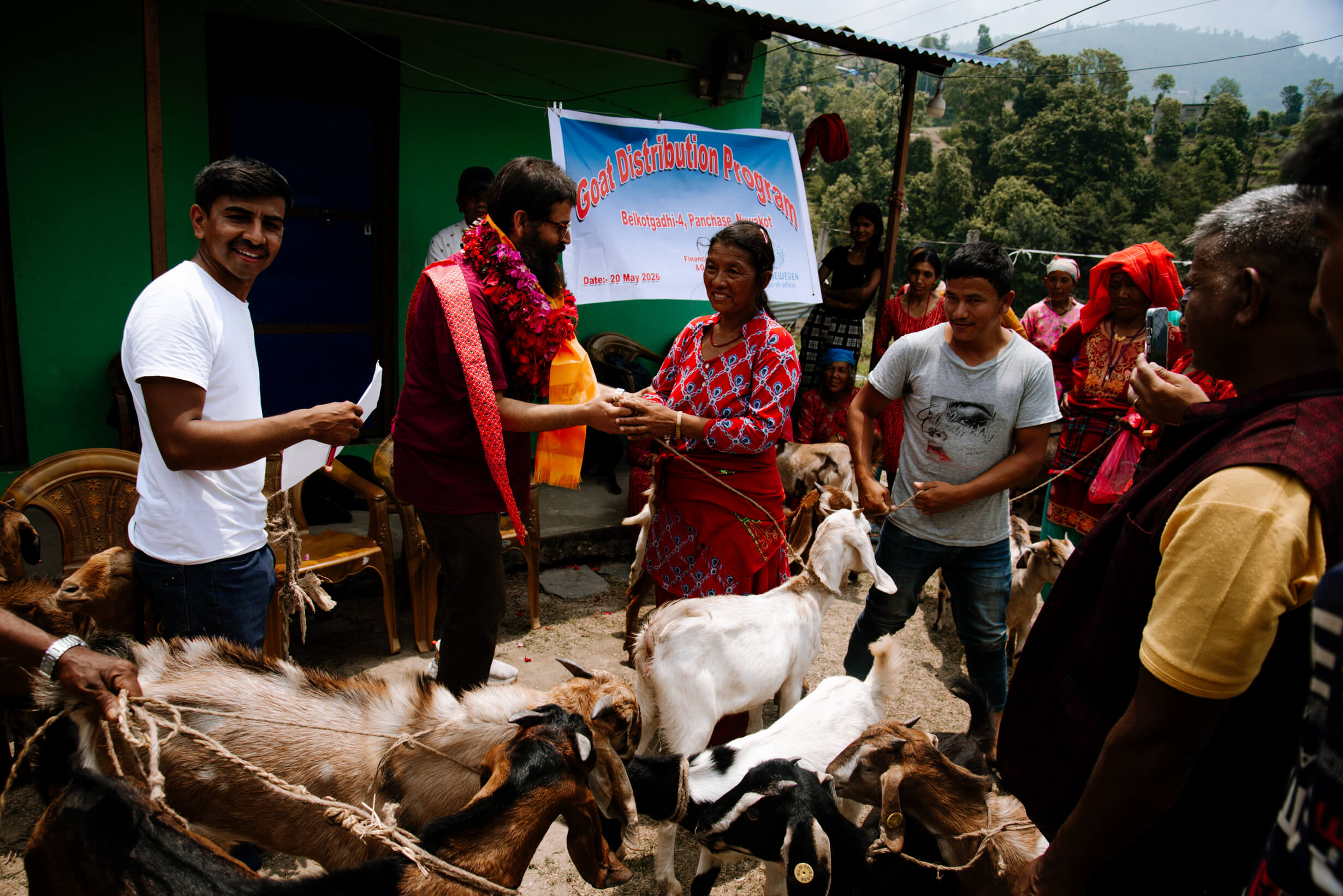
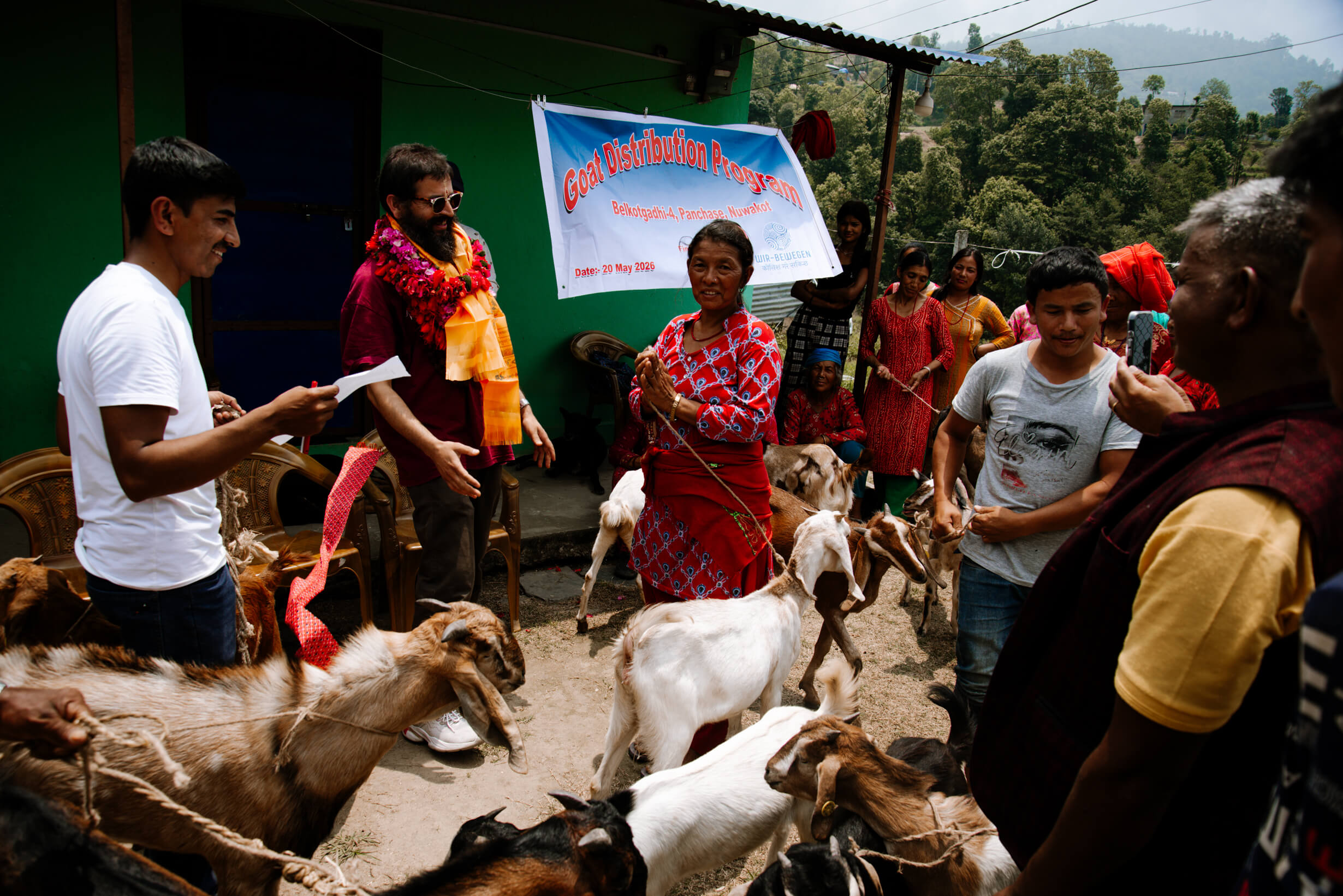
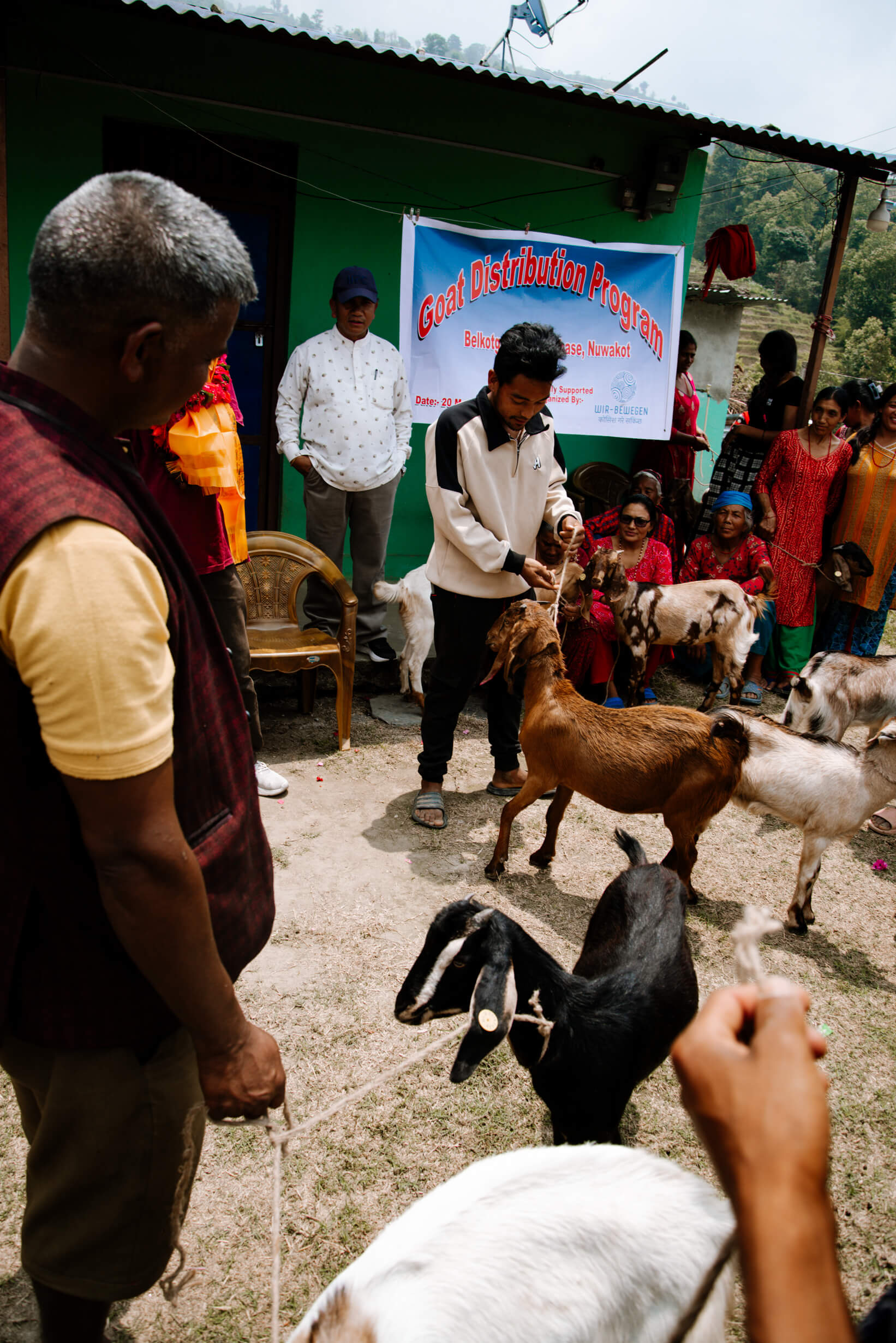
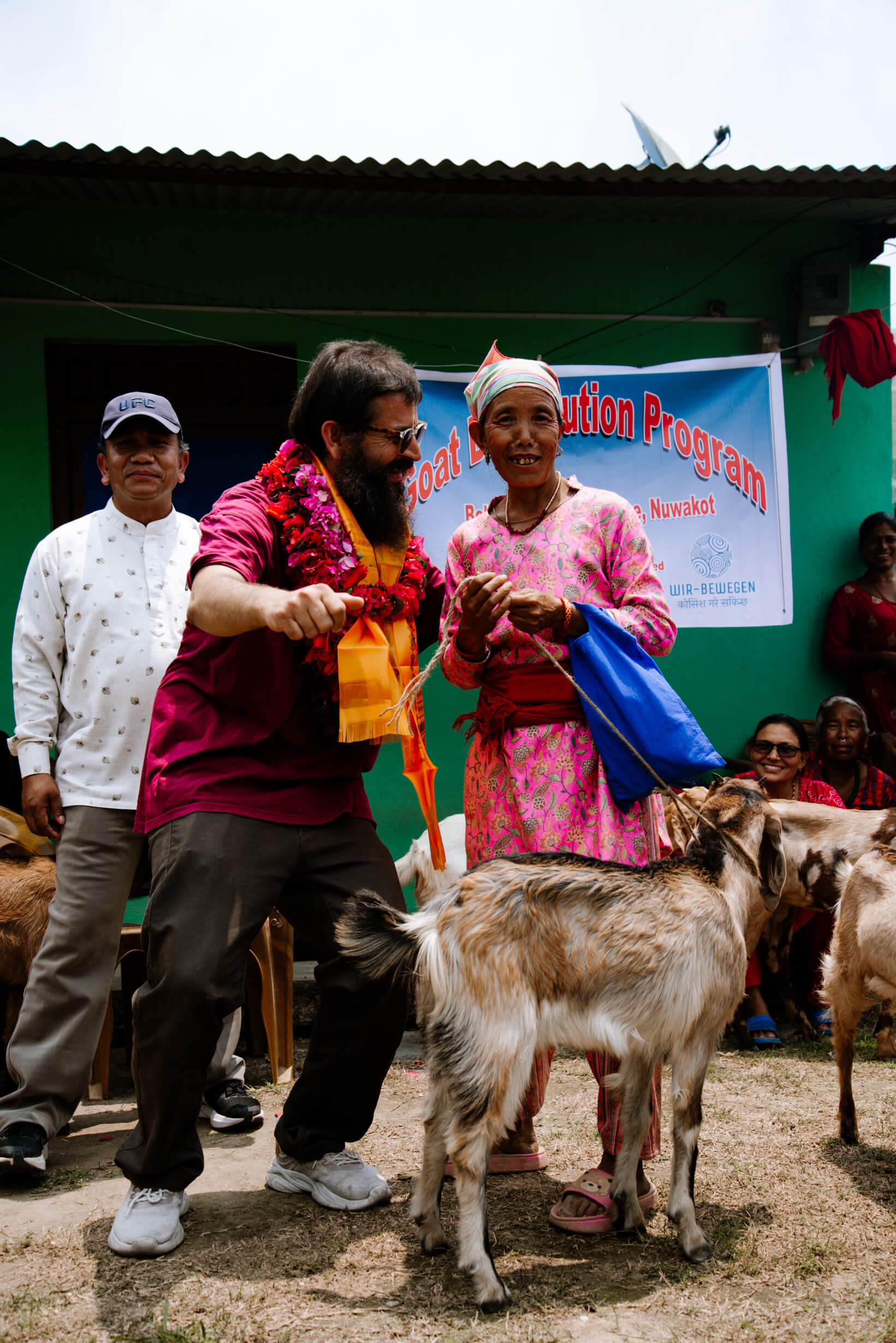
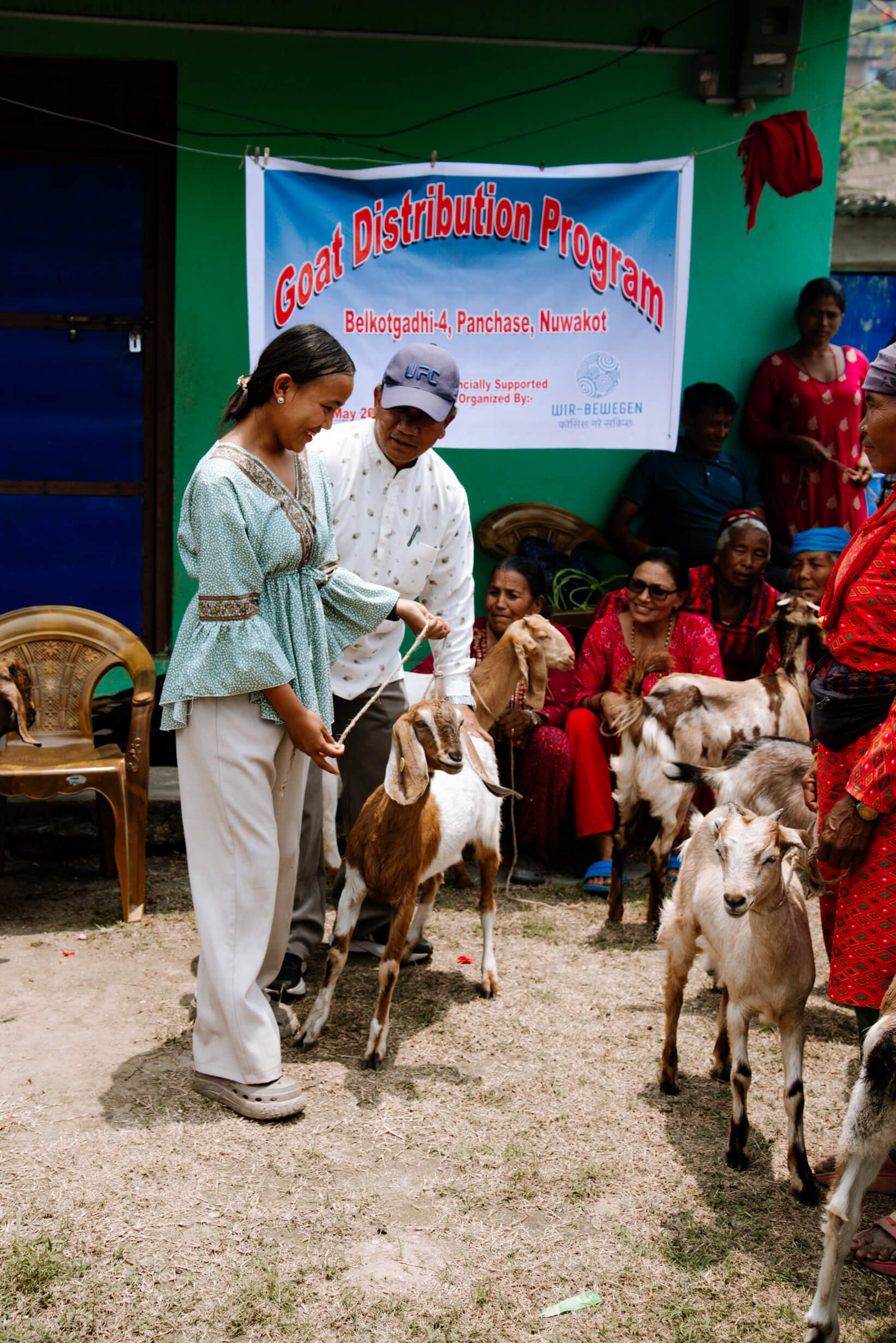
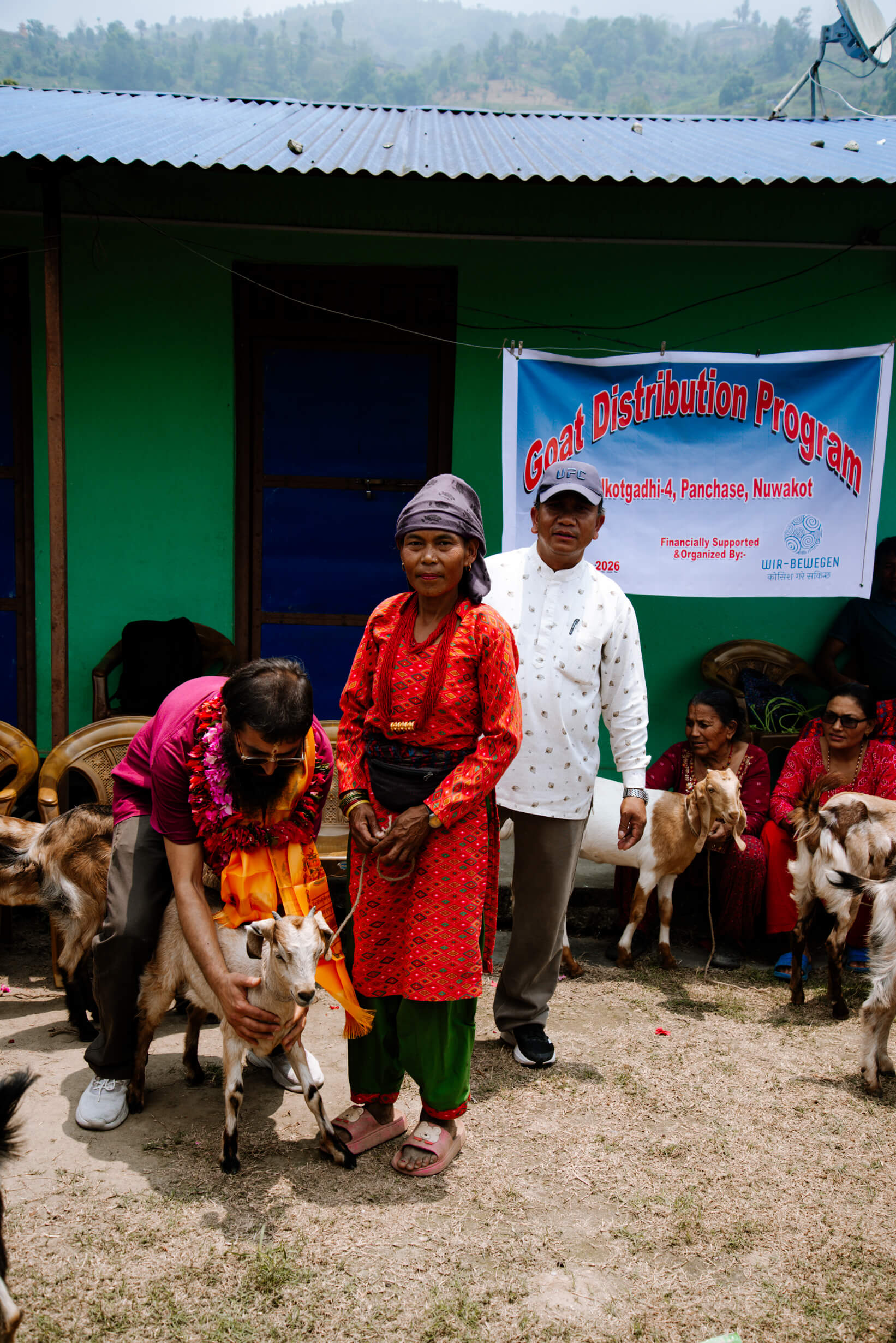
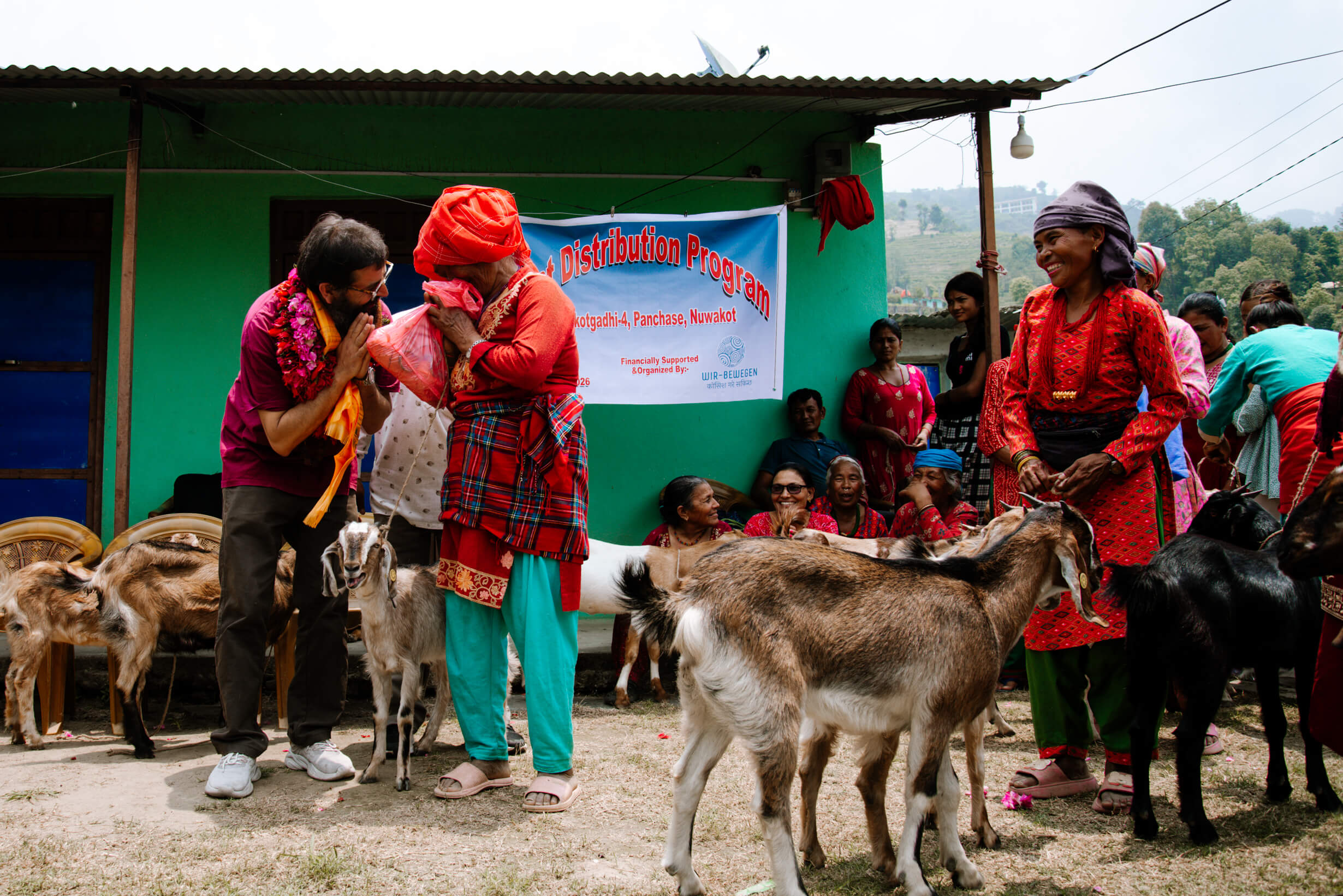
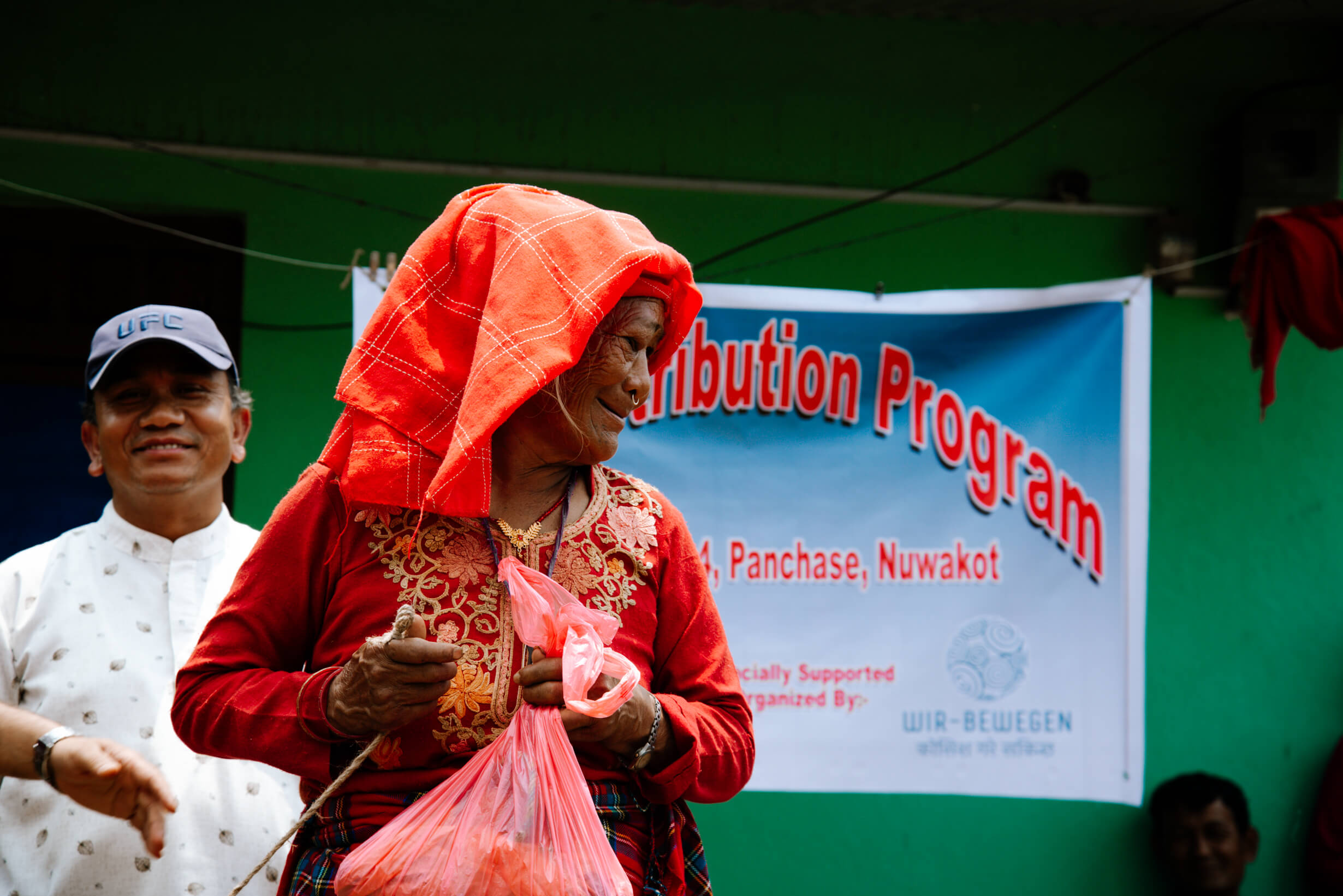
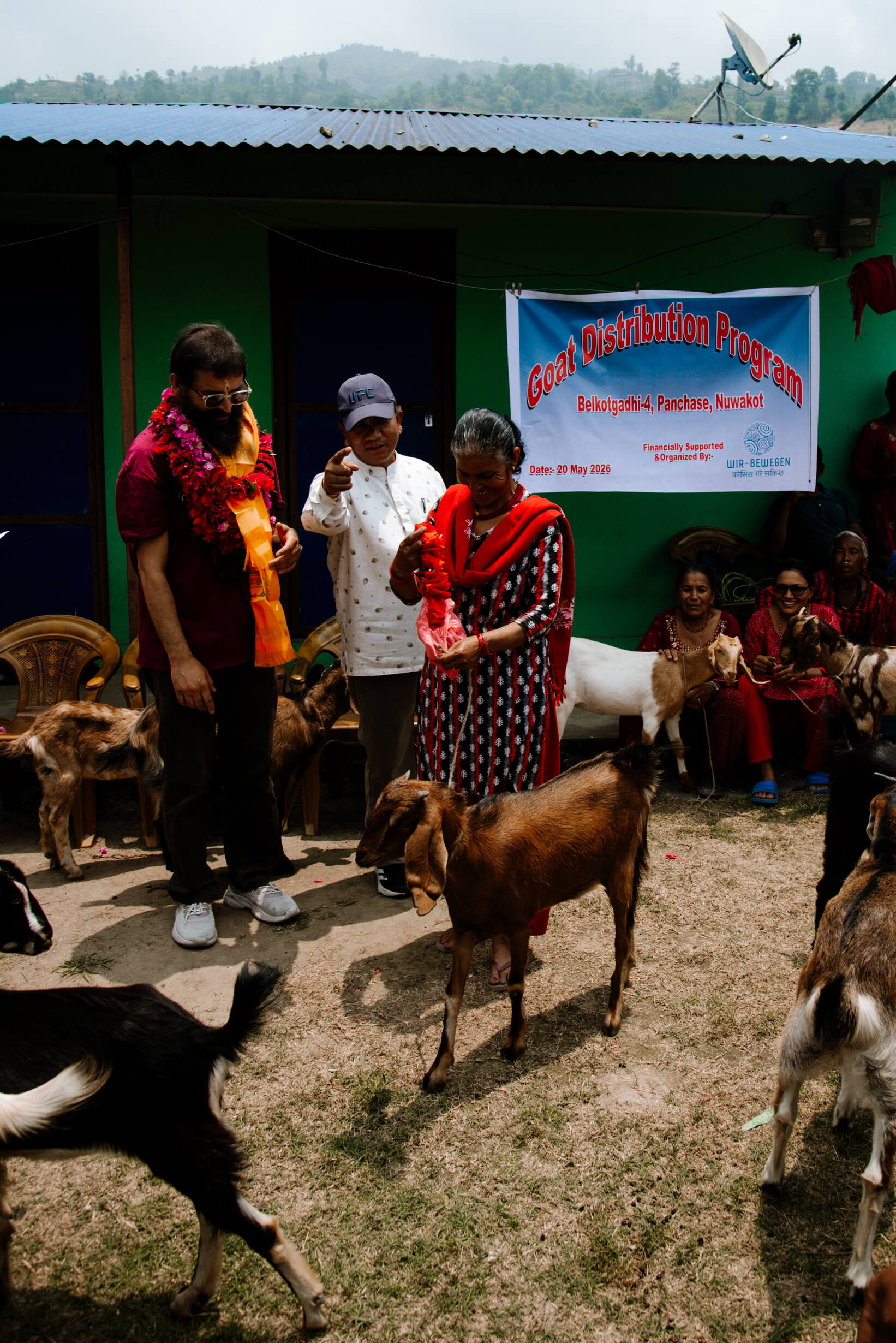
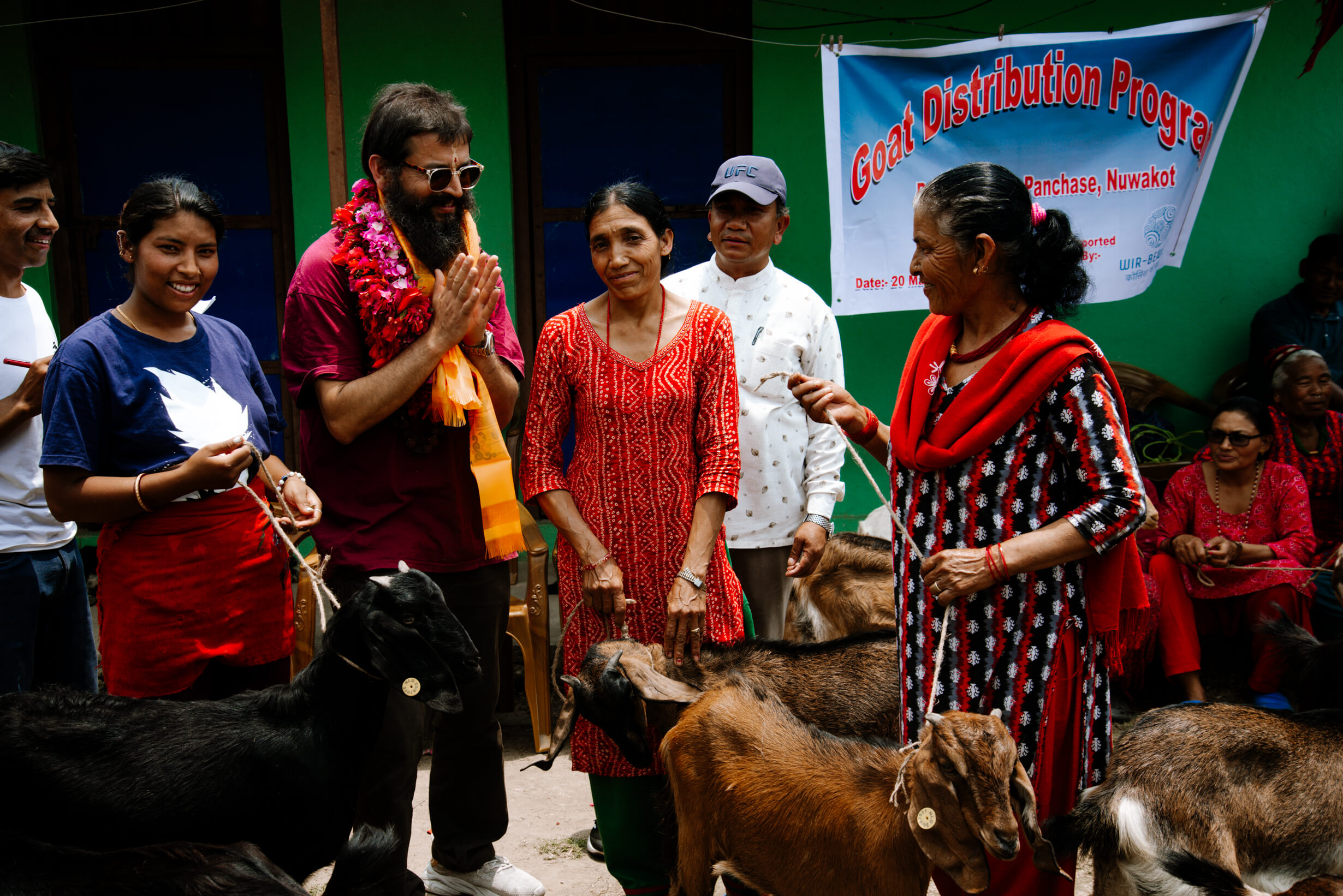
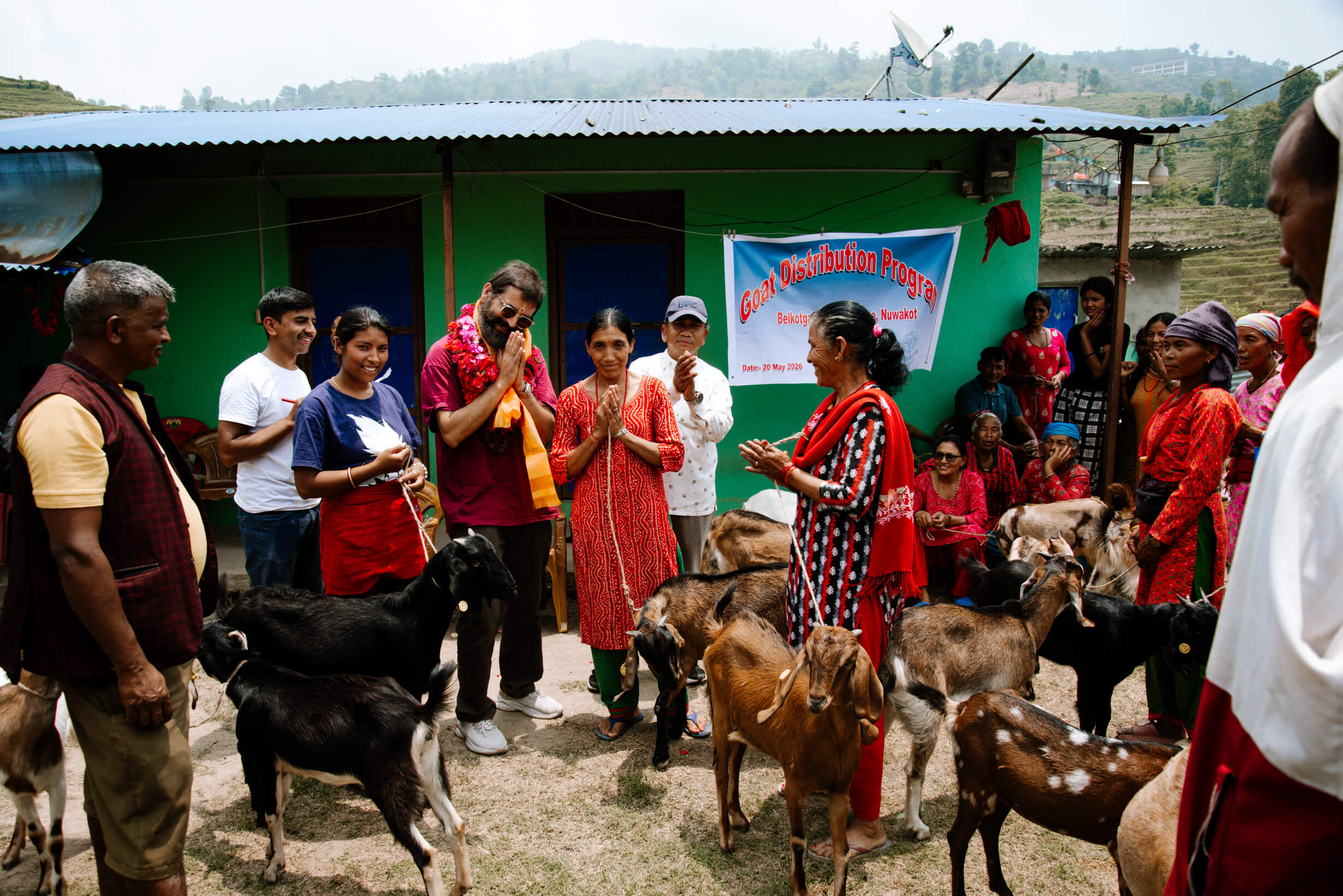
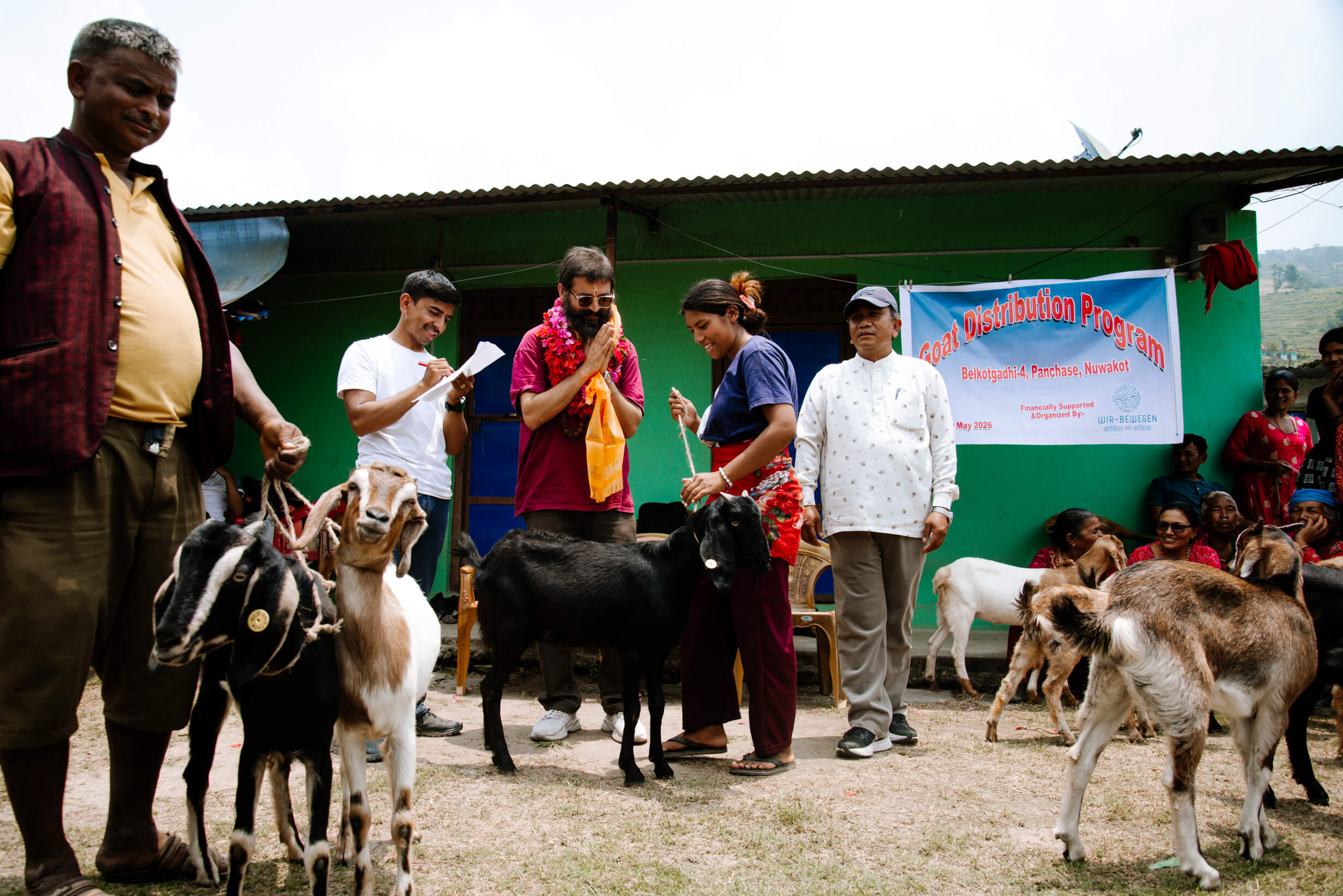
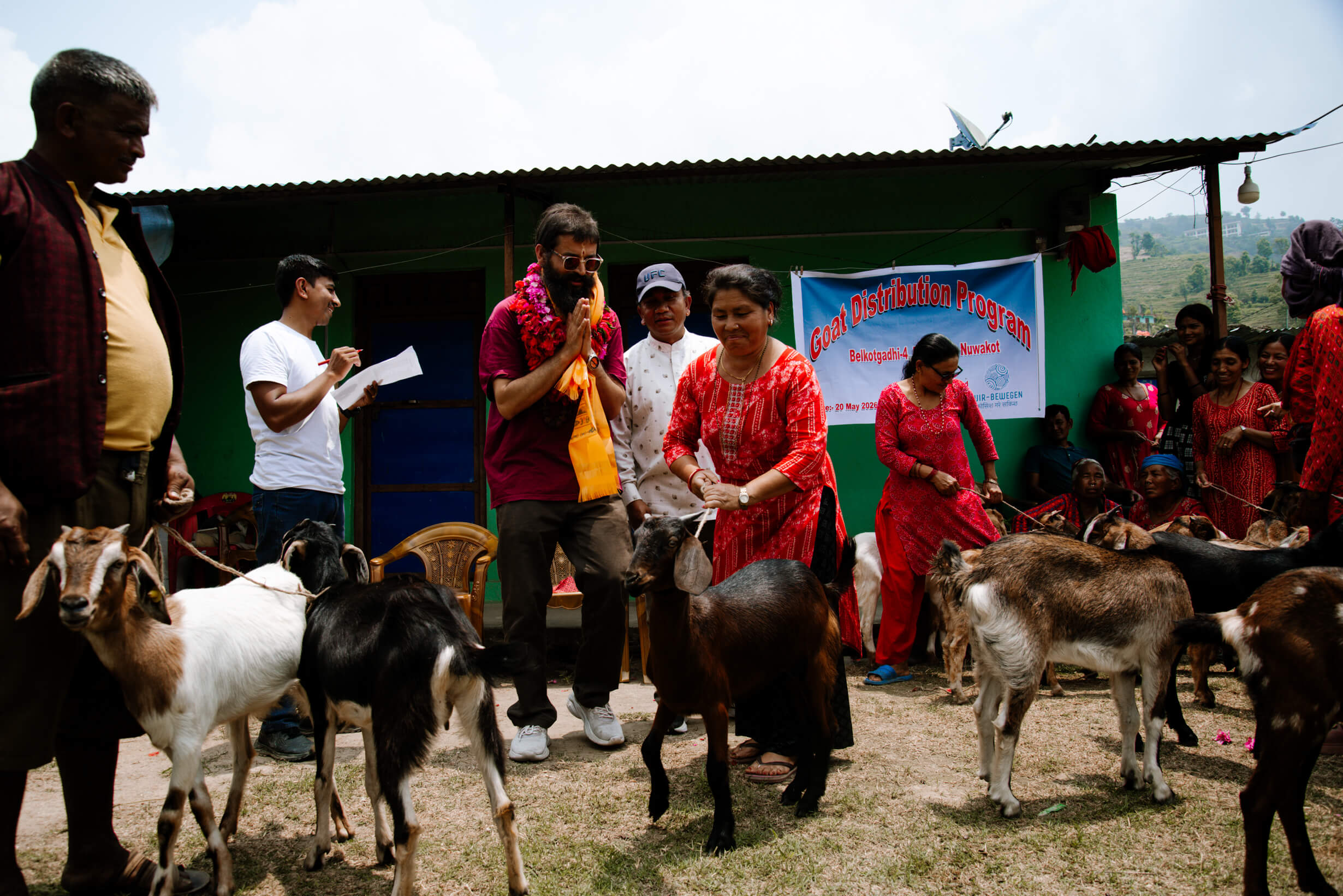
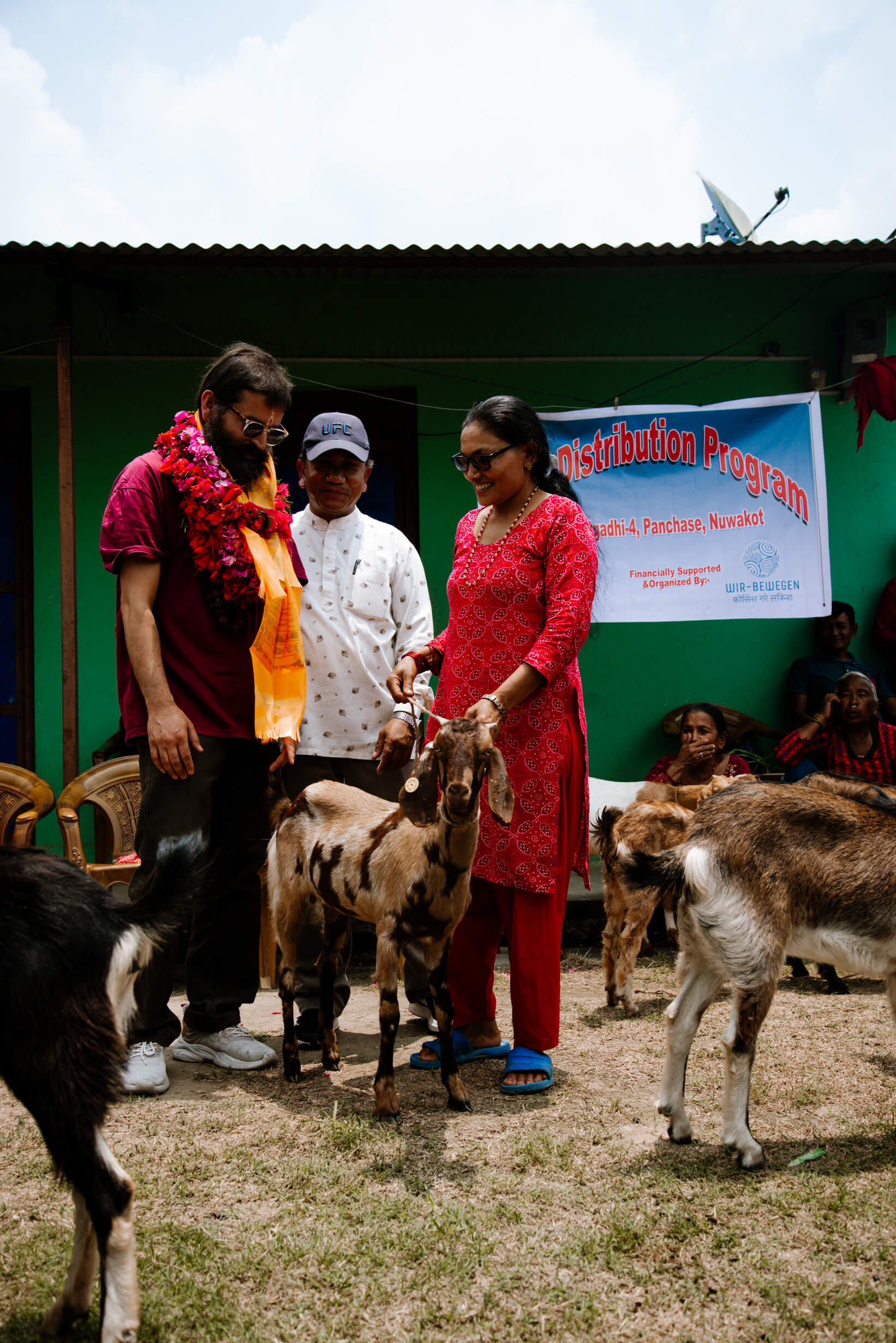
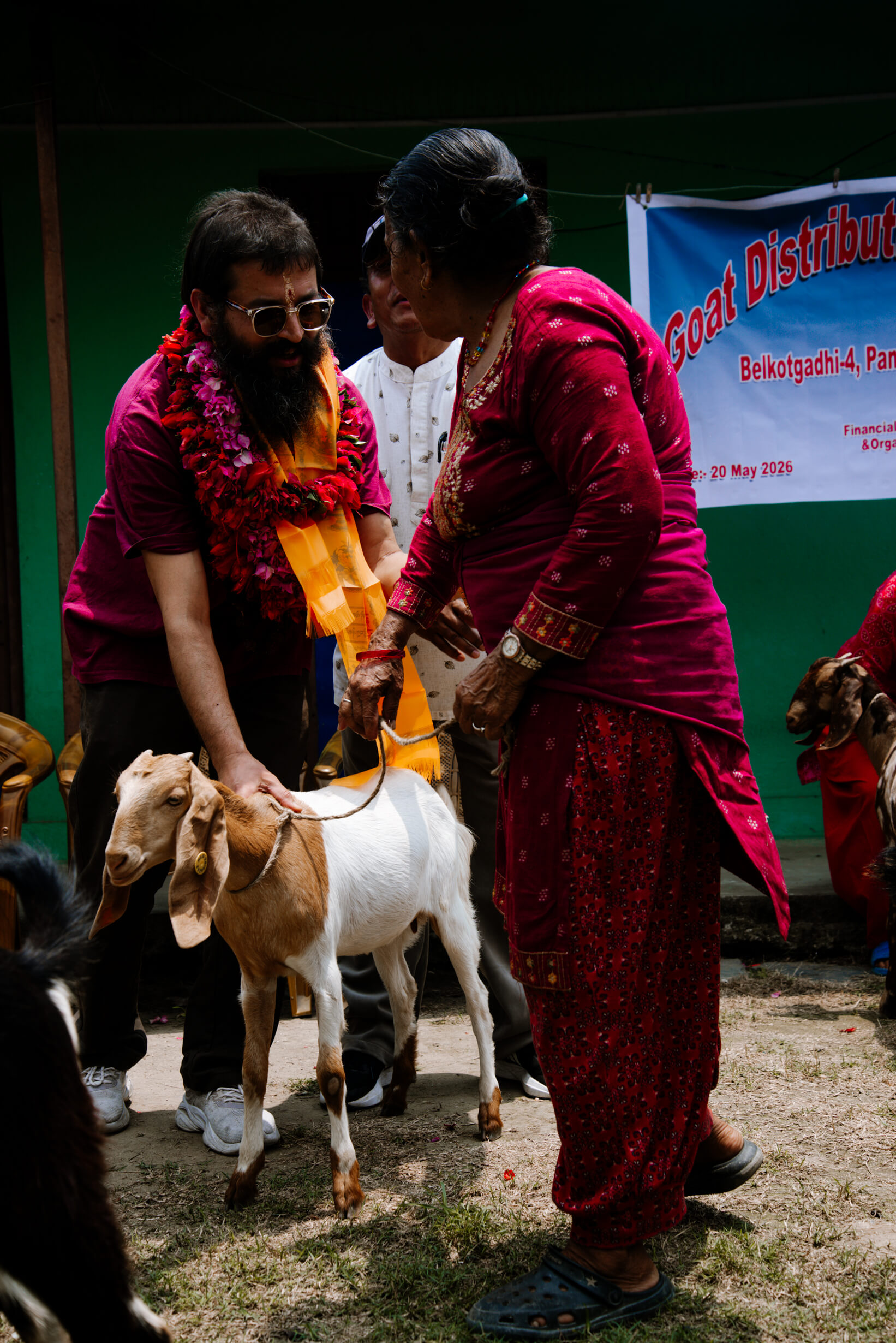
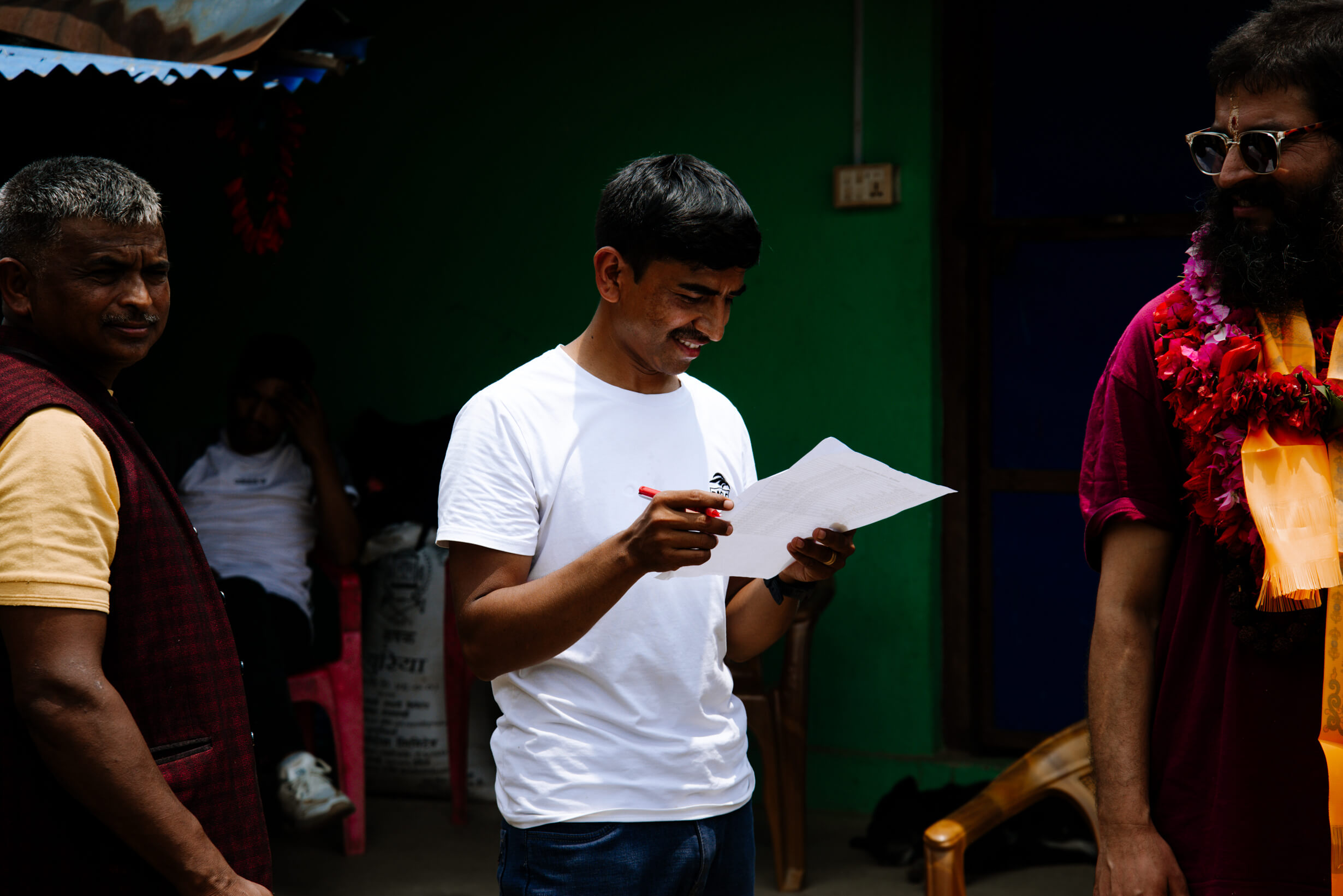
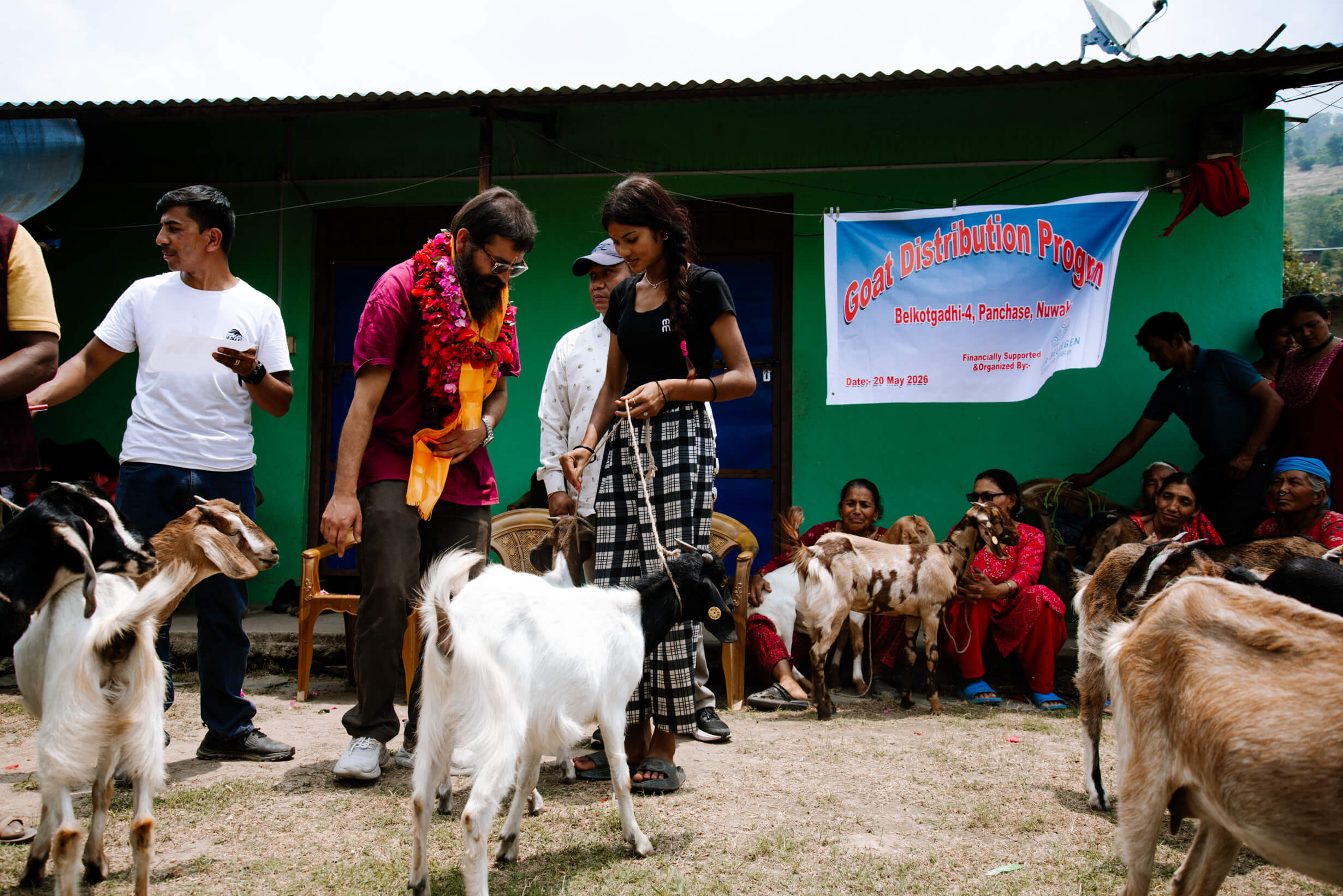
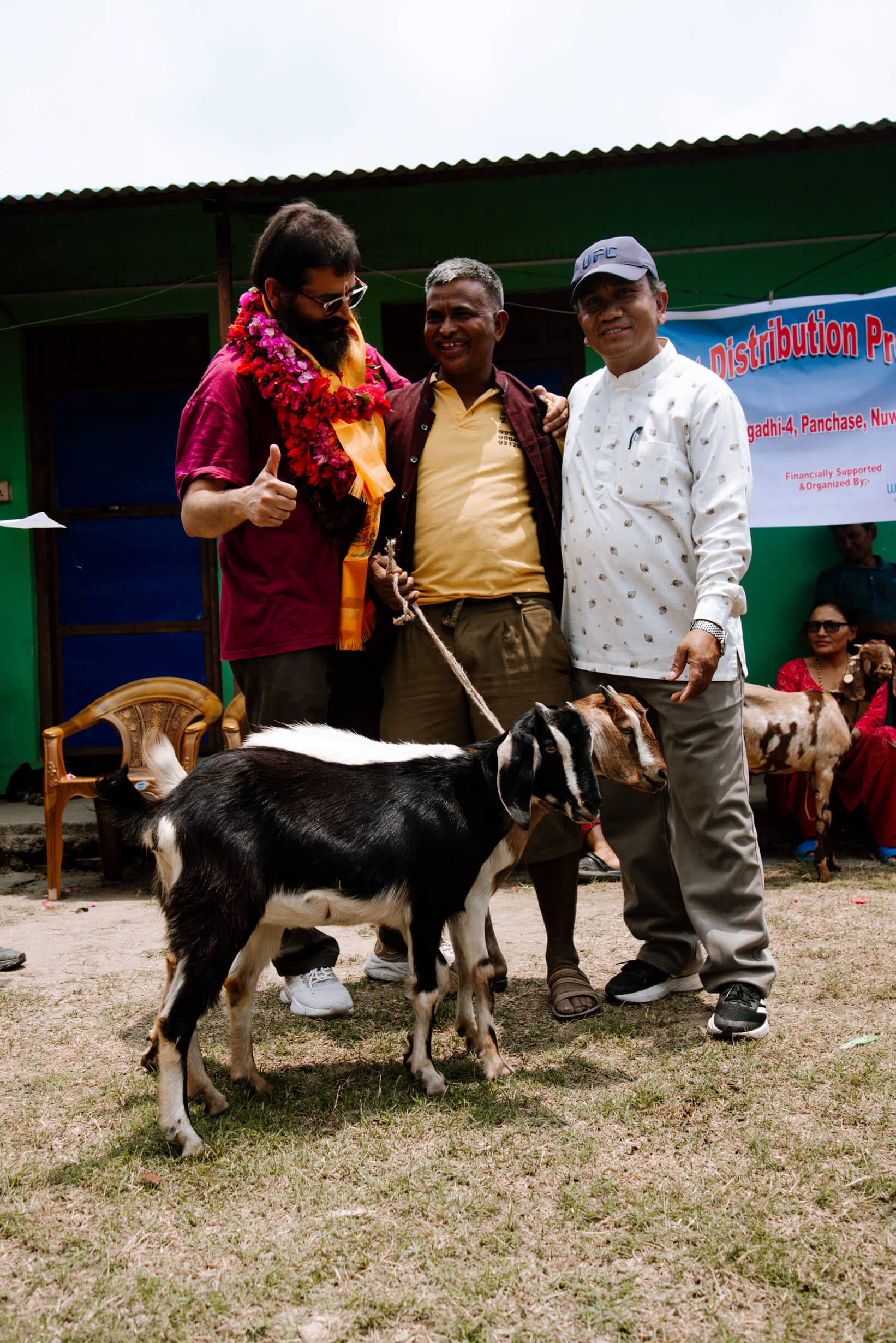
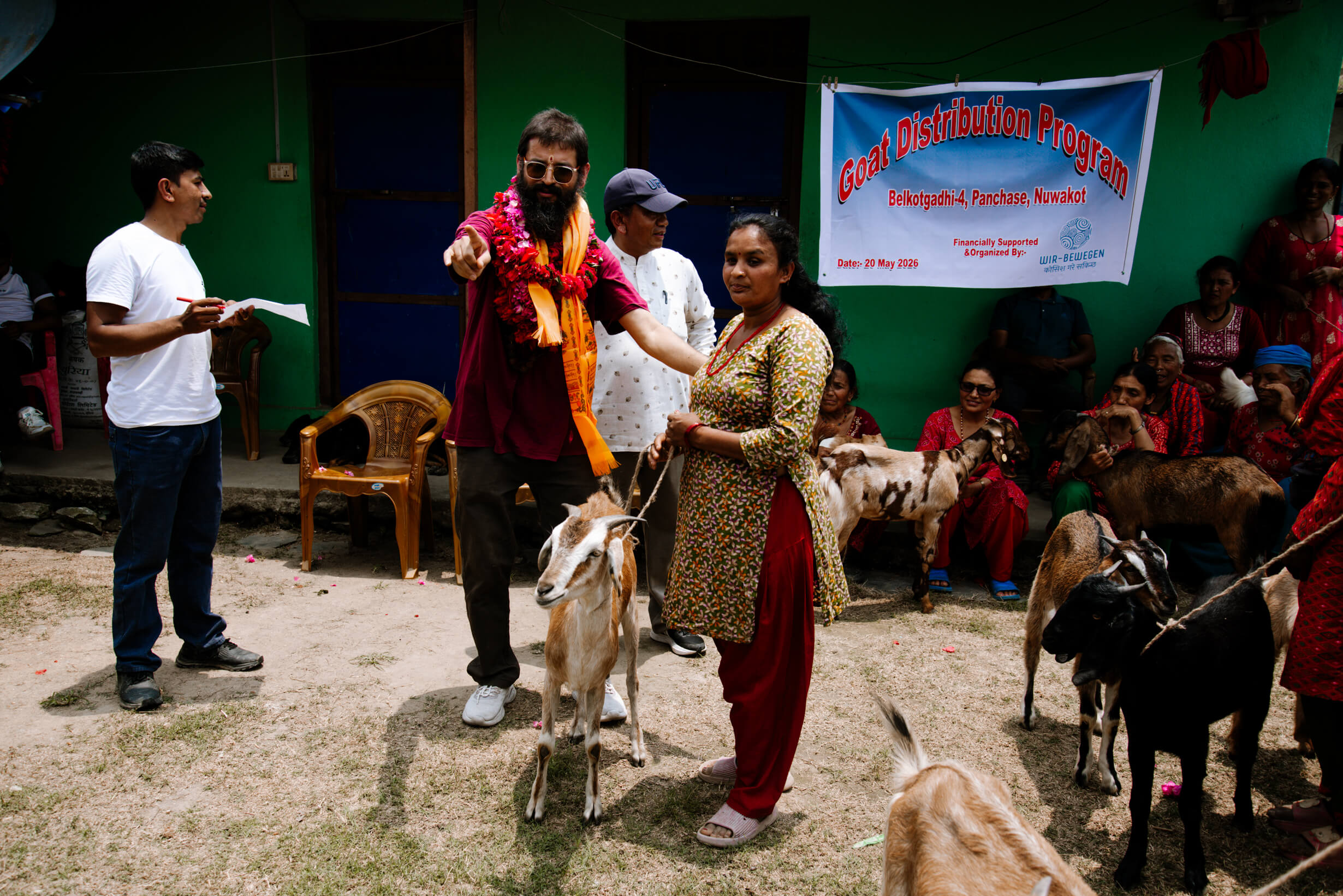
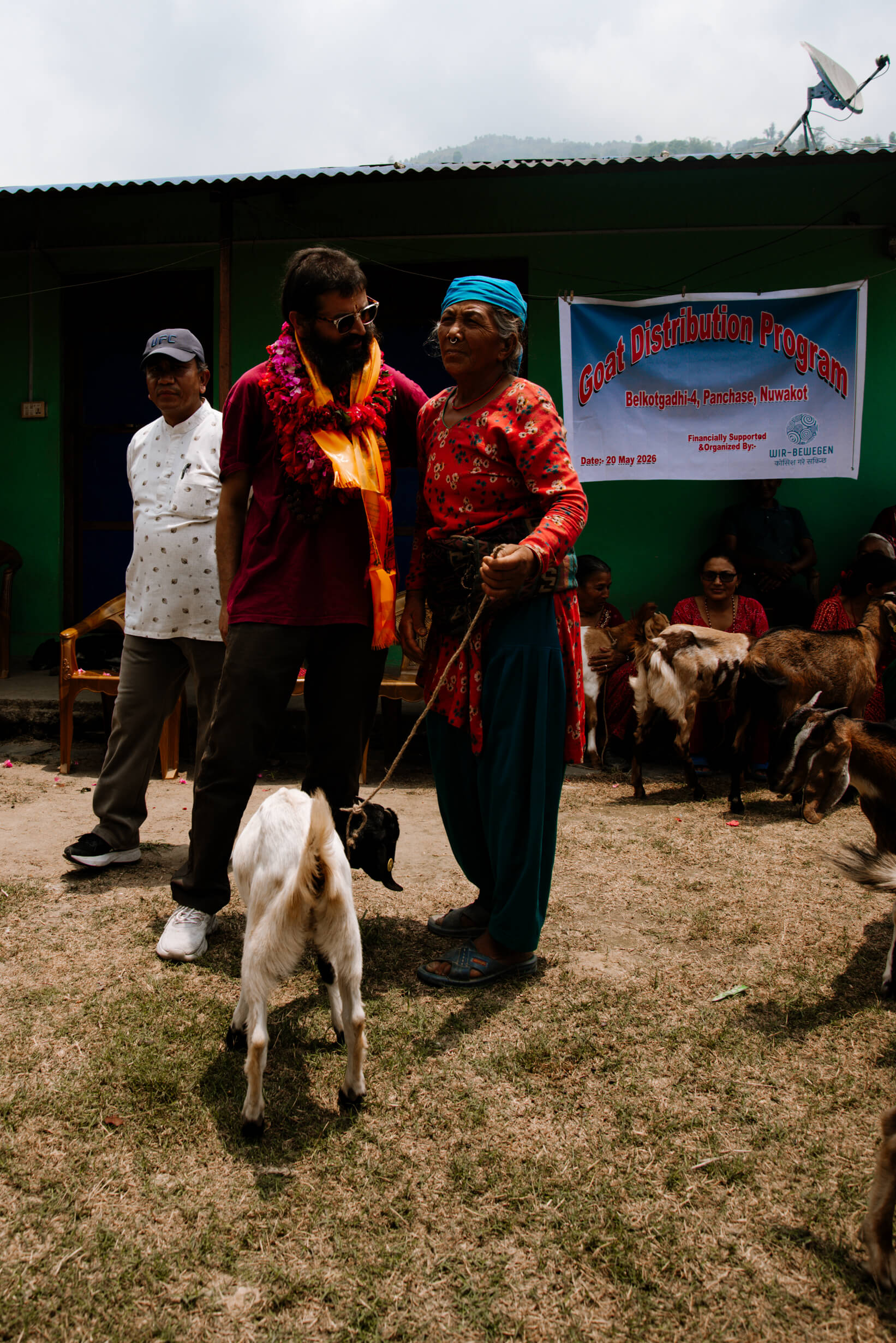
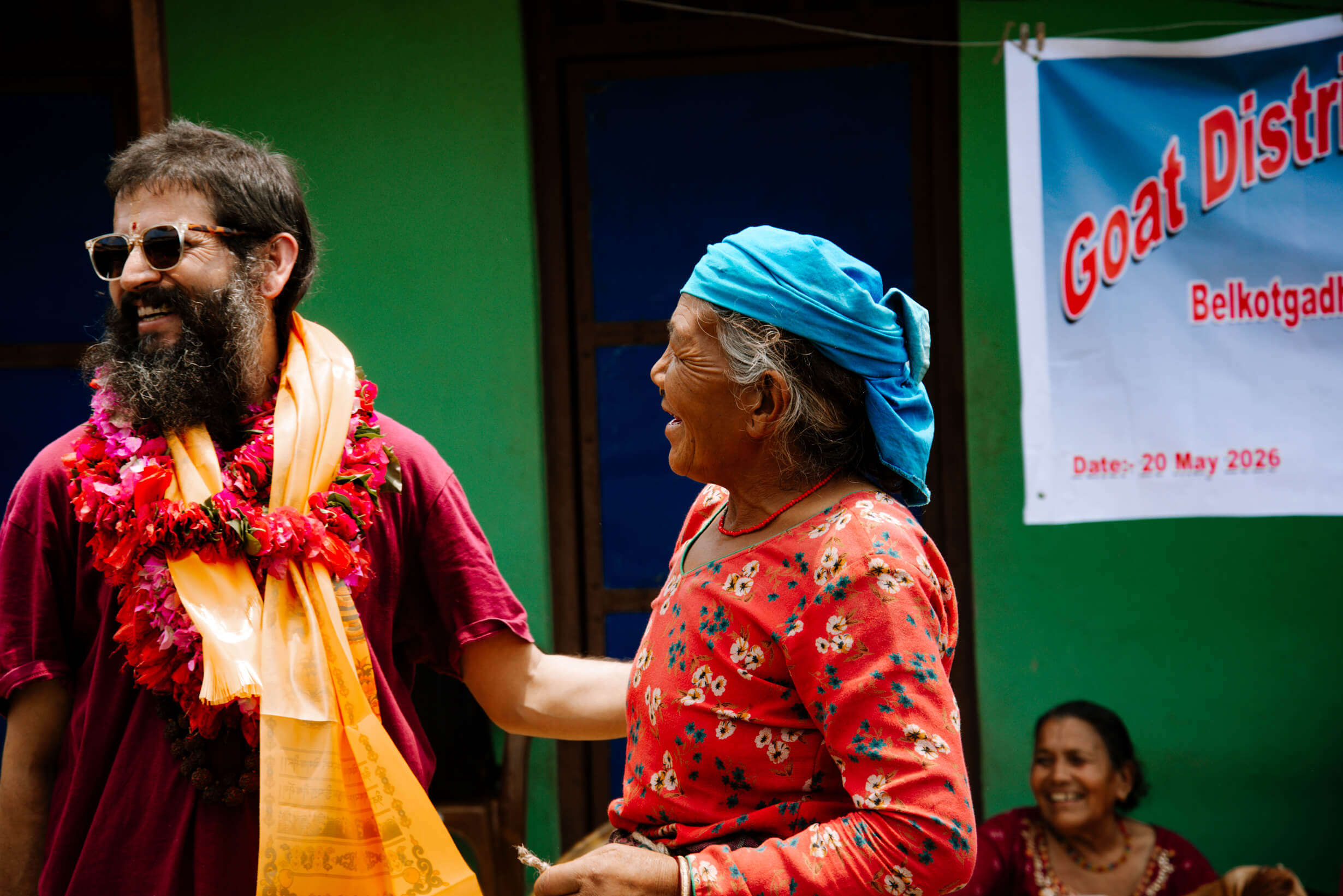
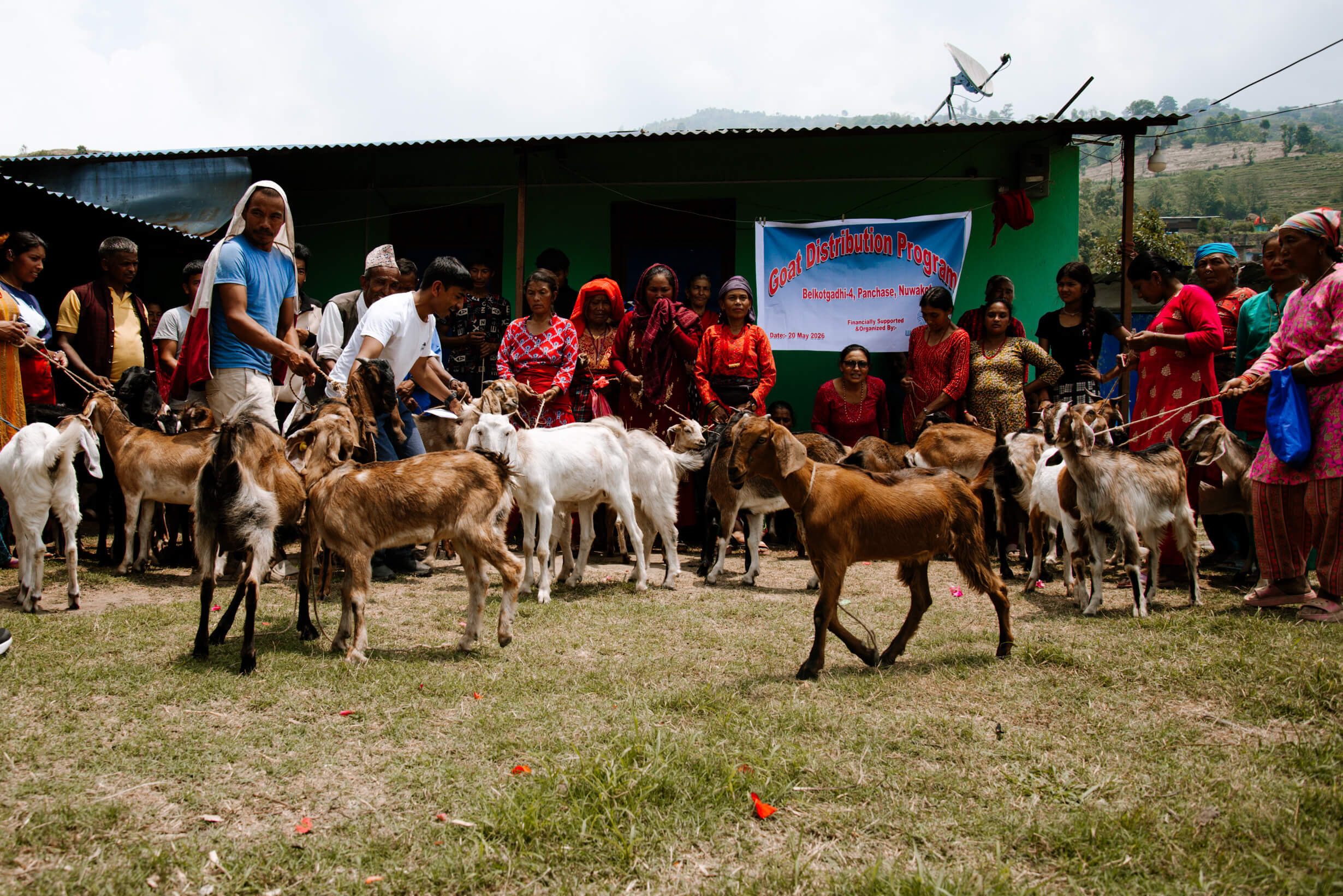
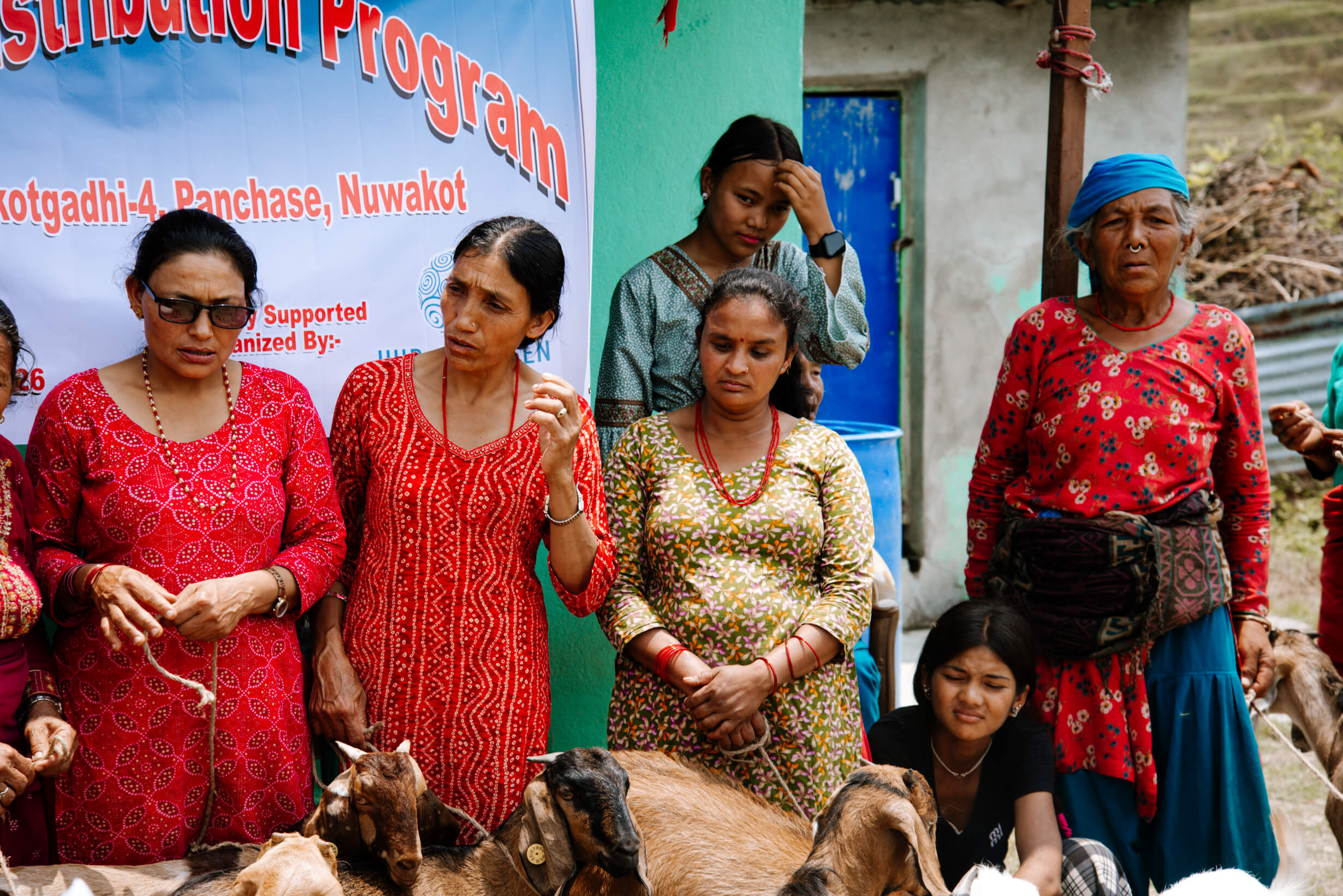
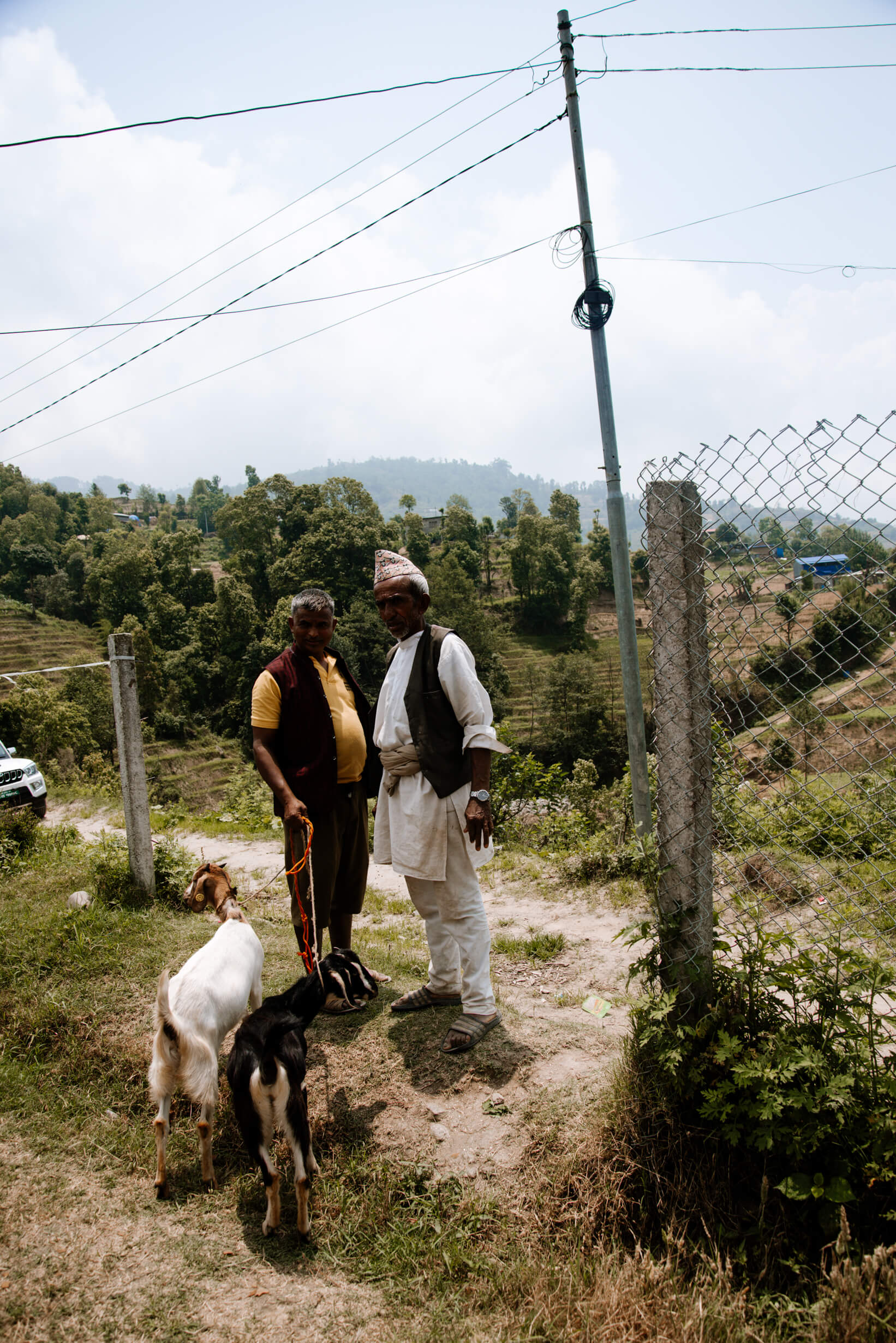
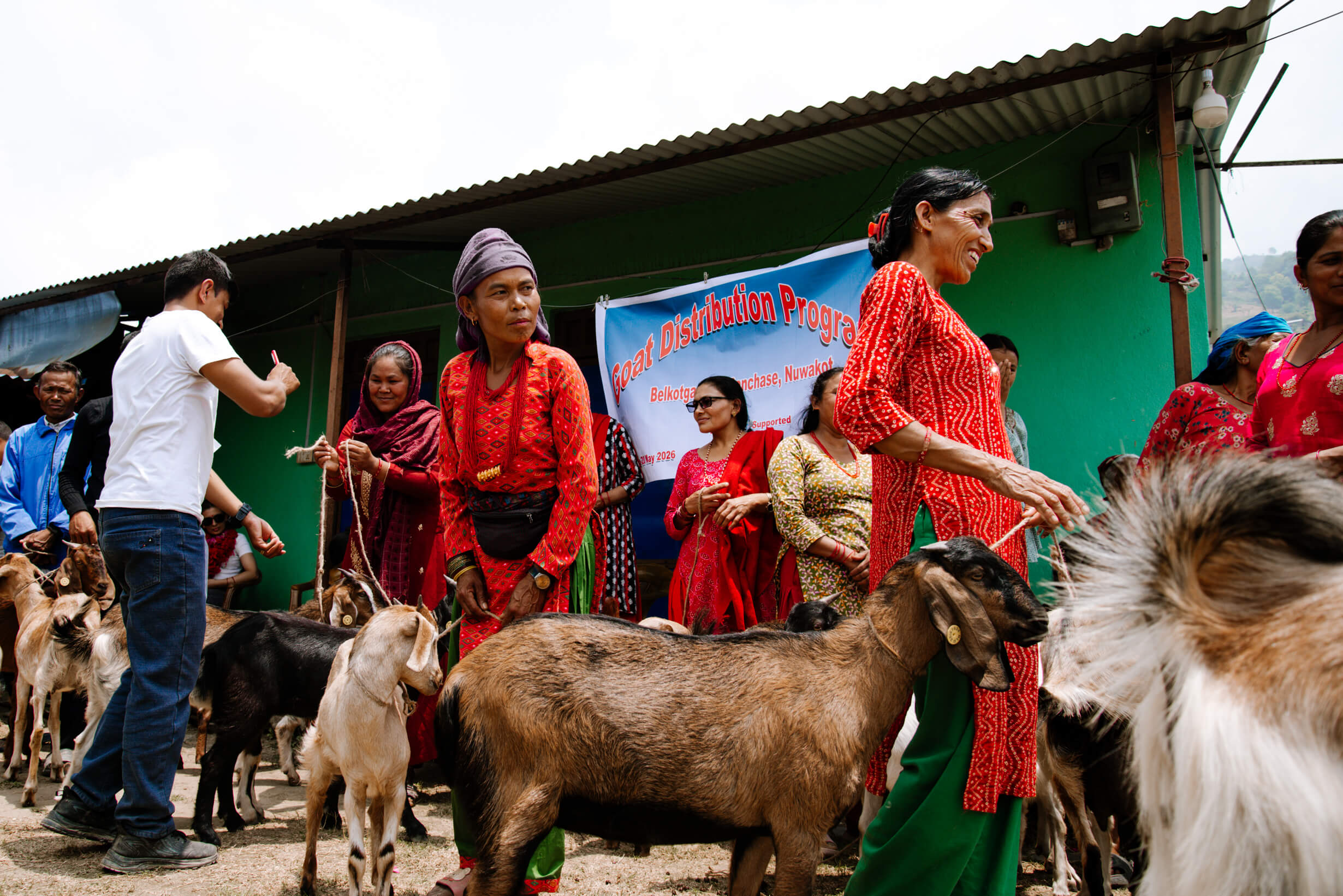
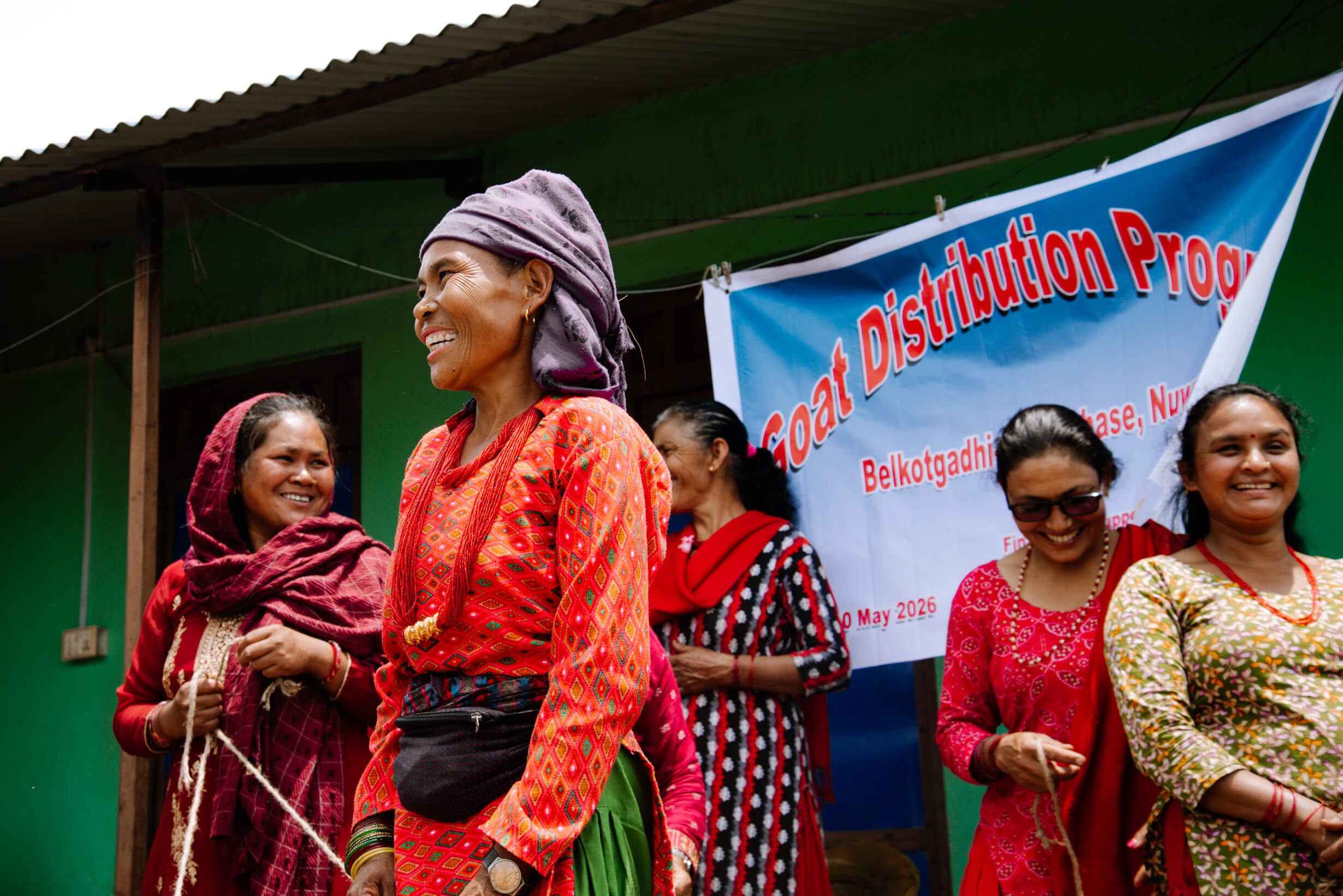
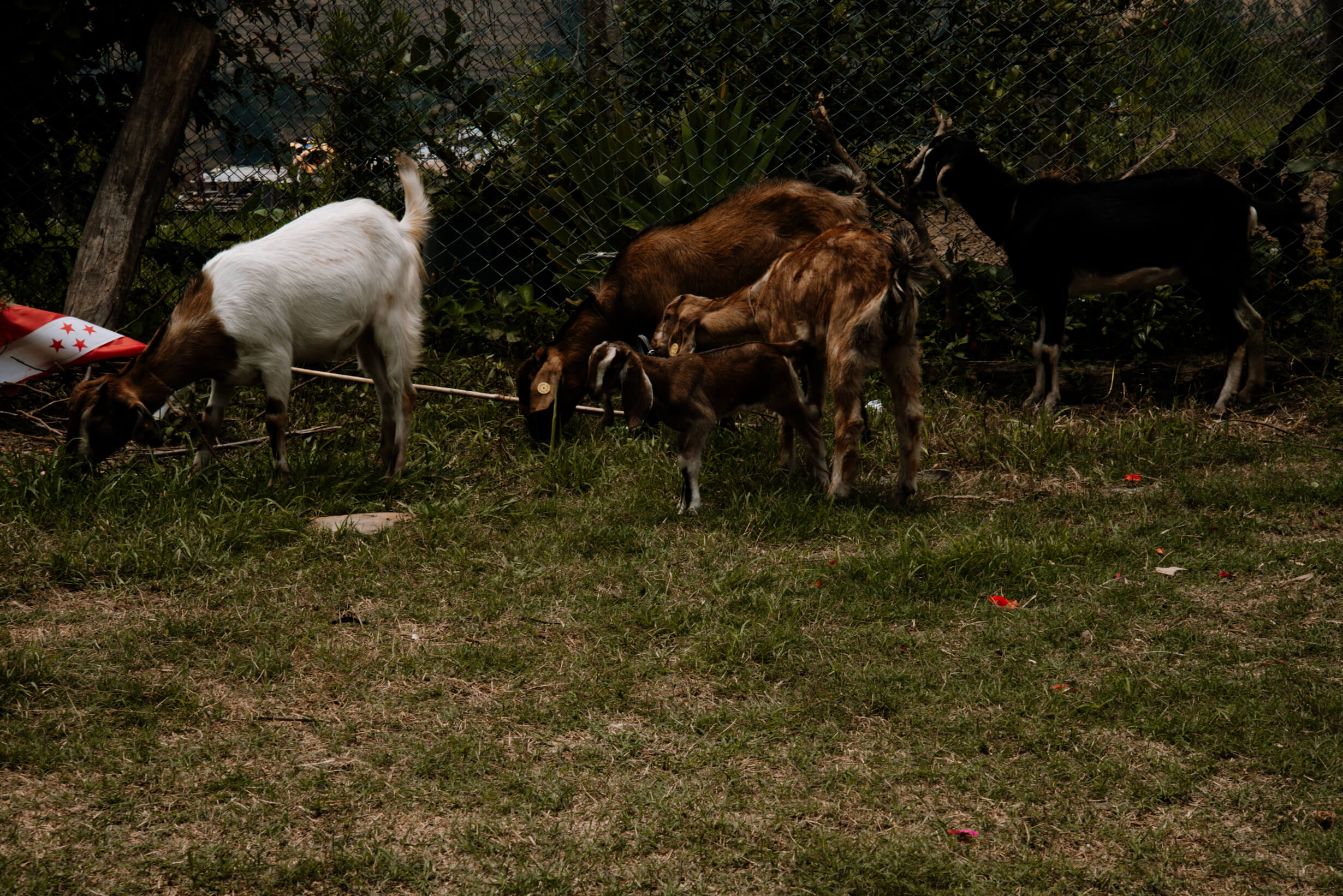
Eventually everyone arrived. We were adorned with flower garlands and bowls, people thanked us, and then the ceremony began: Each family was called up from a list to receive their goat and show it to us. This time there were two breeding bucks, because the village is so spread out that one alone wouldn't have been enough.
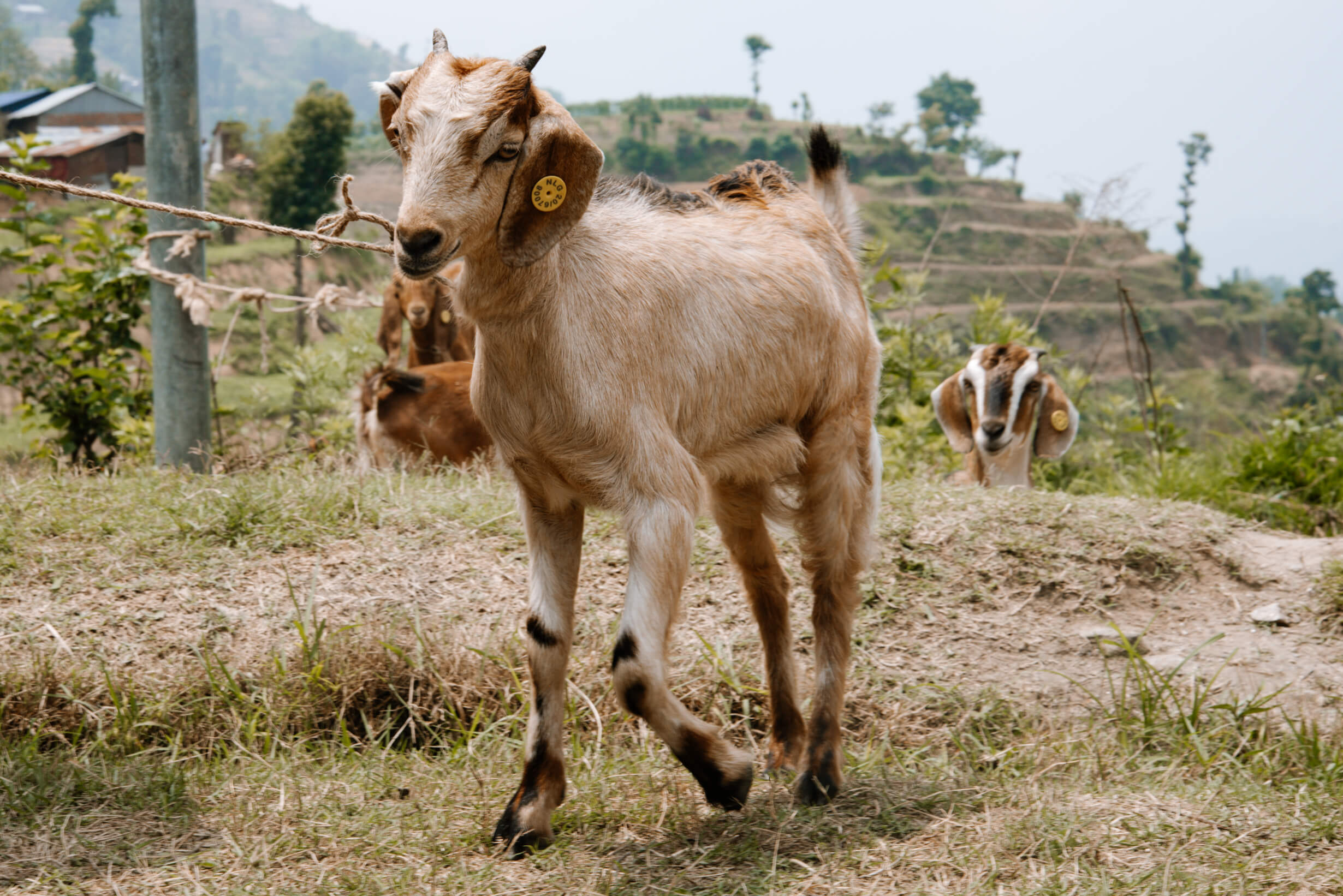
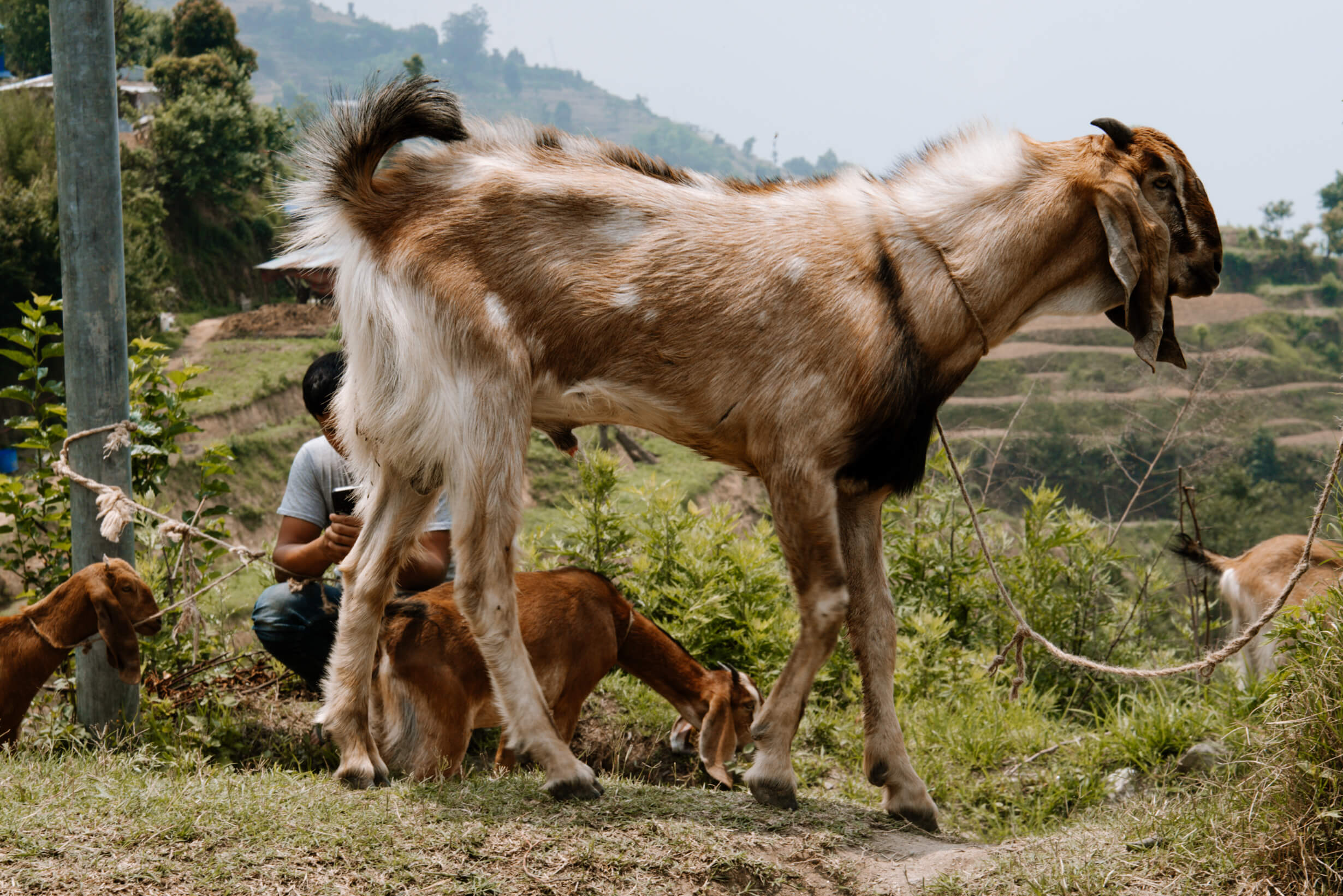
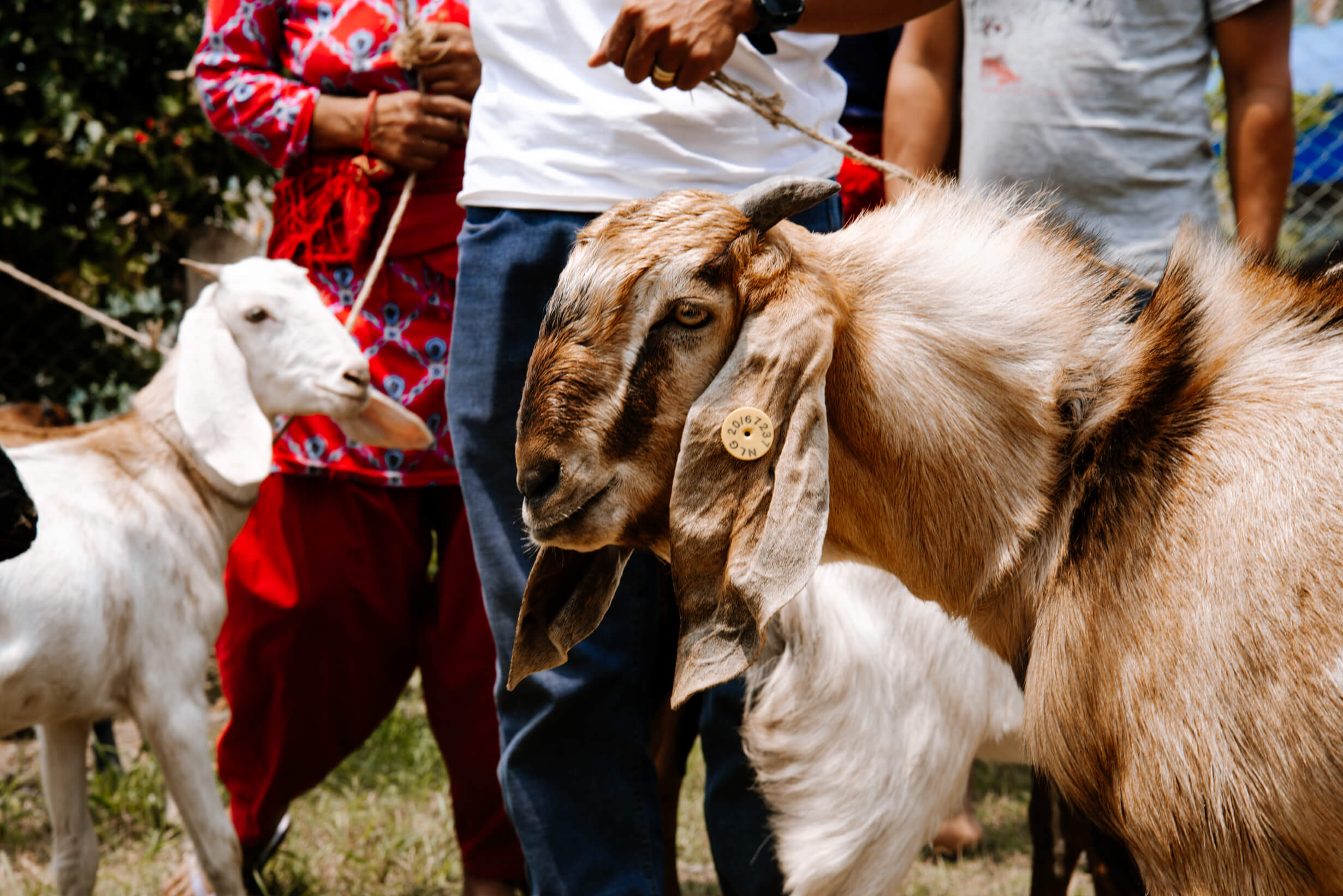
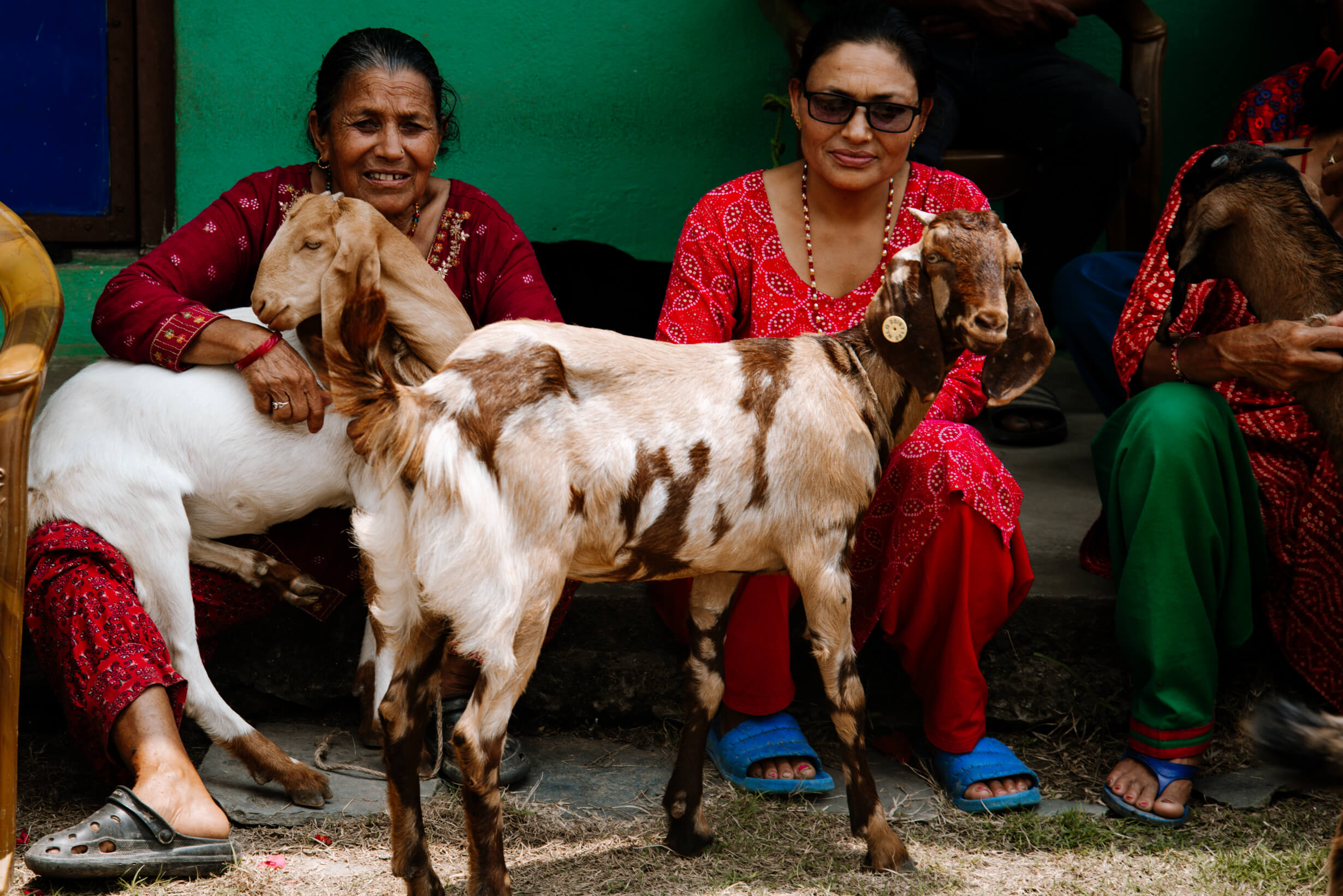
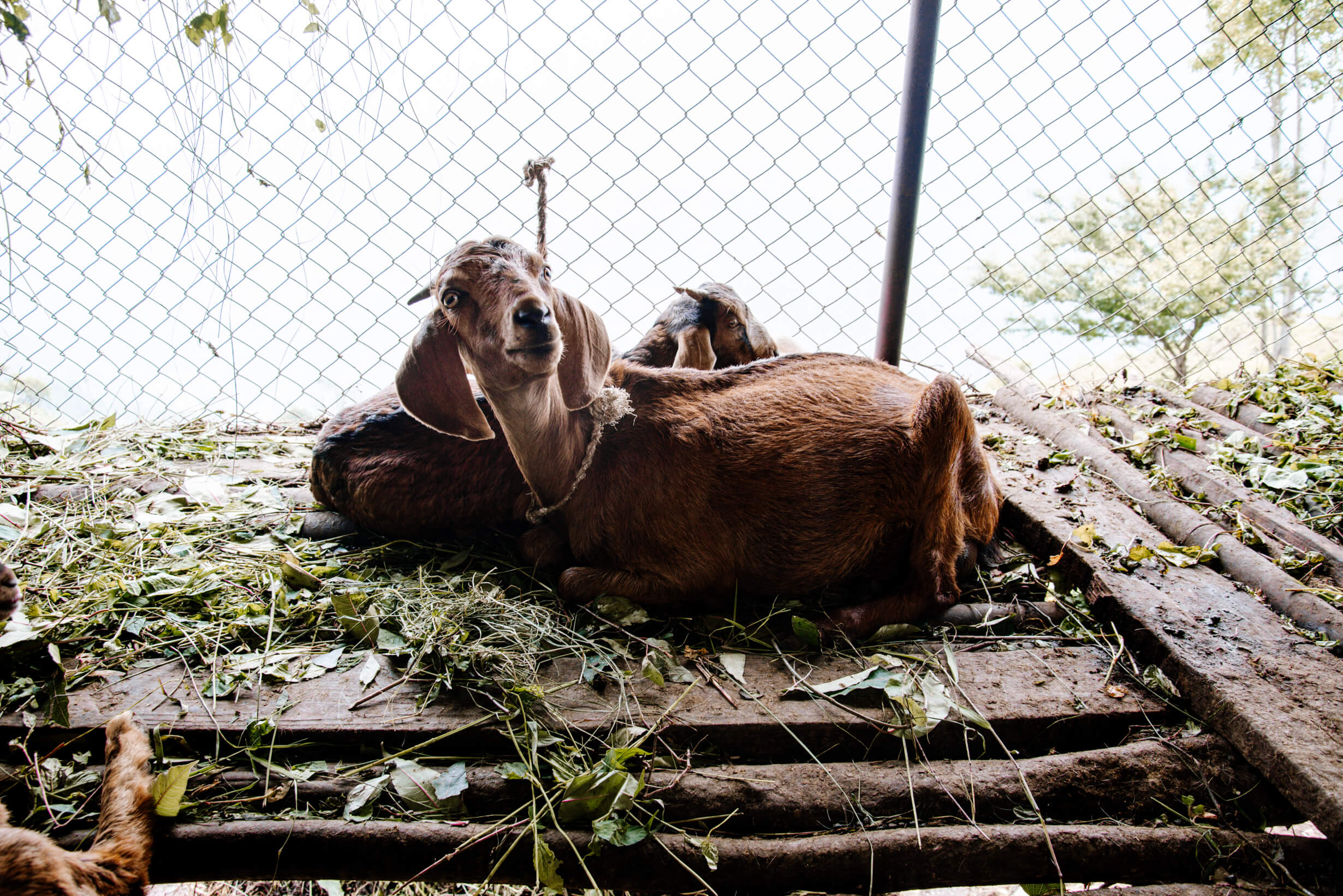
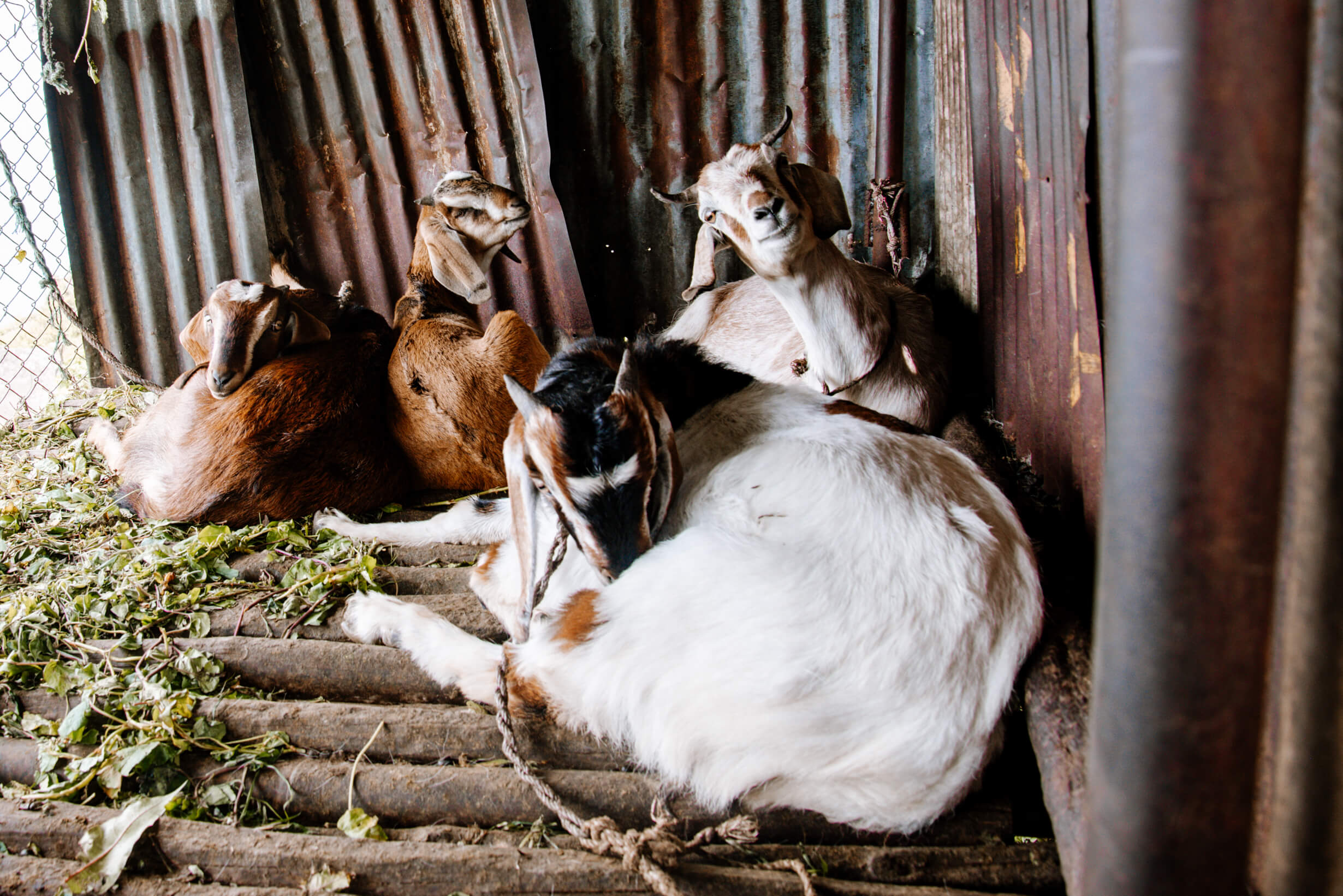
The photos show the yellow ear tags on the animals. Because we lost several animals in the first year of the last two projects, we took out a small insurance policy for the goats this time. The rupee is very weak at the moment, which allowed us to finance this: if an animal dies in the first year, it will be replaced free of charge. I thought it was a really good idea – because, as is so often the case, it hits those who already have the least the hardest.
One family was particularly lucky; their goat was already pregnant when we bought her. So they received two animals. Of course, that's not 100% fair – but complete equality is hardly achievable in such projects, and that's okay.
Taking photos this time was a particular challenge. The space was cramped, and every time I crouched down, the goats came and tried to eat my flower wreaths. Plus, people kept walking through the frame. But I still managed to get a few good shots – I'm confident of that.
After the ceremony, we enjoyed a delicious dal bhat before taking a stroll through the upper part of the village. There, we met families who kept goats – but none with yellow ear tags. When we asked why, they told us they were doing well, that they thought our project was wonderful – but they wanted us to use the money for people who needed it more. This honesty, this selfless thinking, touched me deeply. It's a kind of thinking that's rarely found these days.
After that, it was another five-hour journey back to Kathmandu. These journeys are really very strenuous, and you're always grateful to be back in Kathmandu.


Grang – Four years later
We set off early again the next morning, this time to Grang. I wanted to see what had changed there in the last four years. We hadn't announced our arrival this time, so no large delegation was waiting for us.
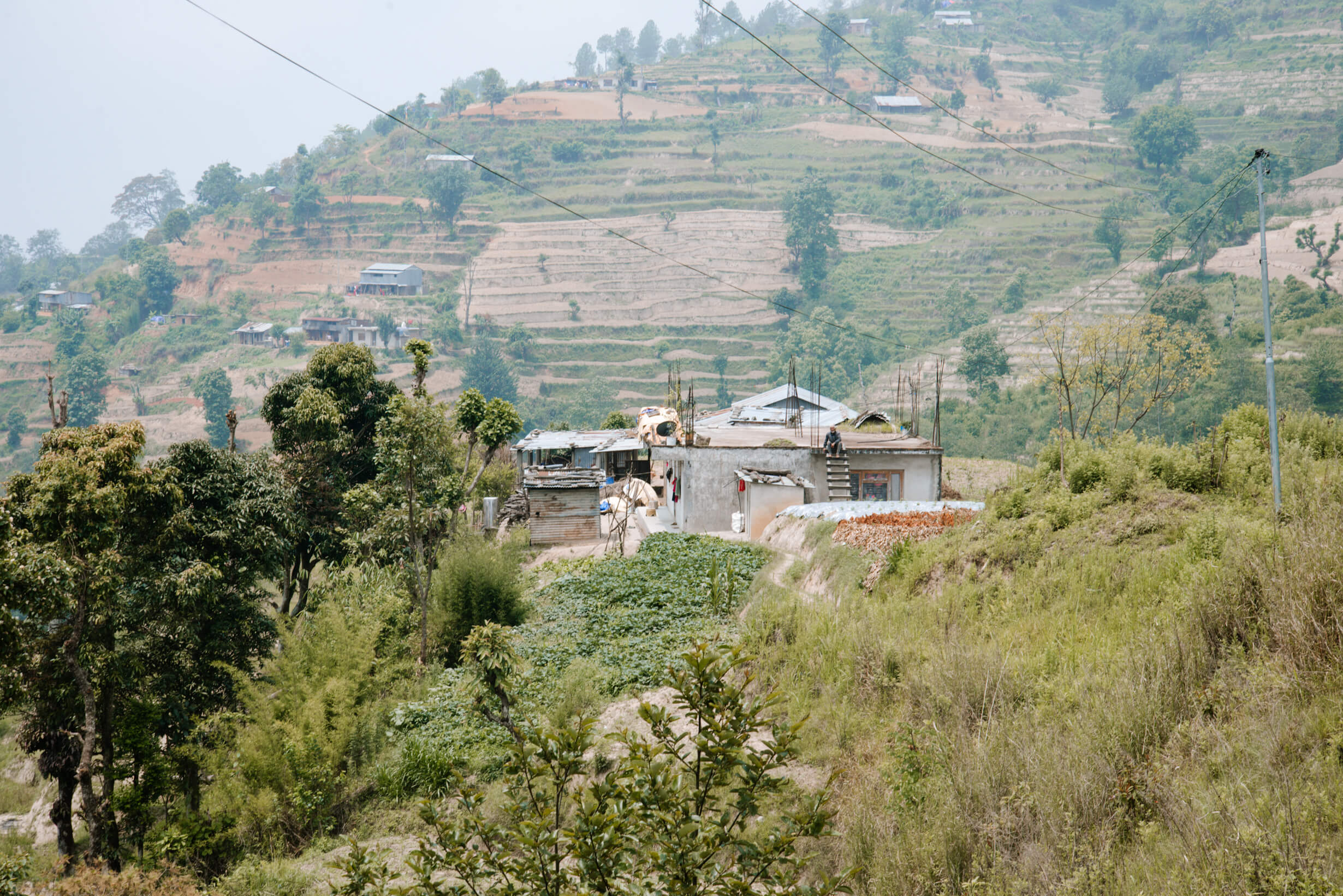
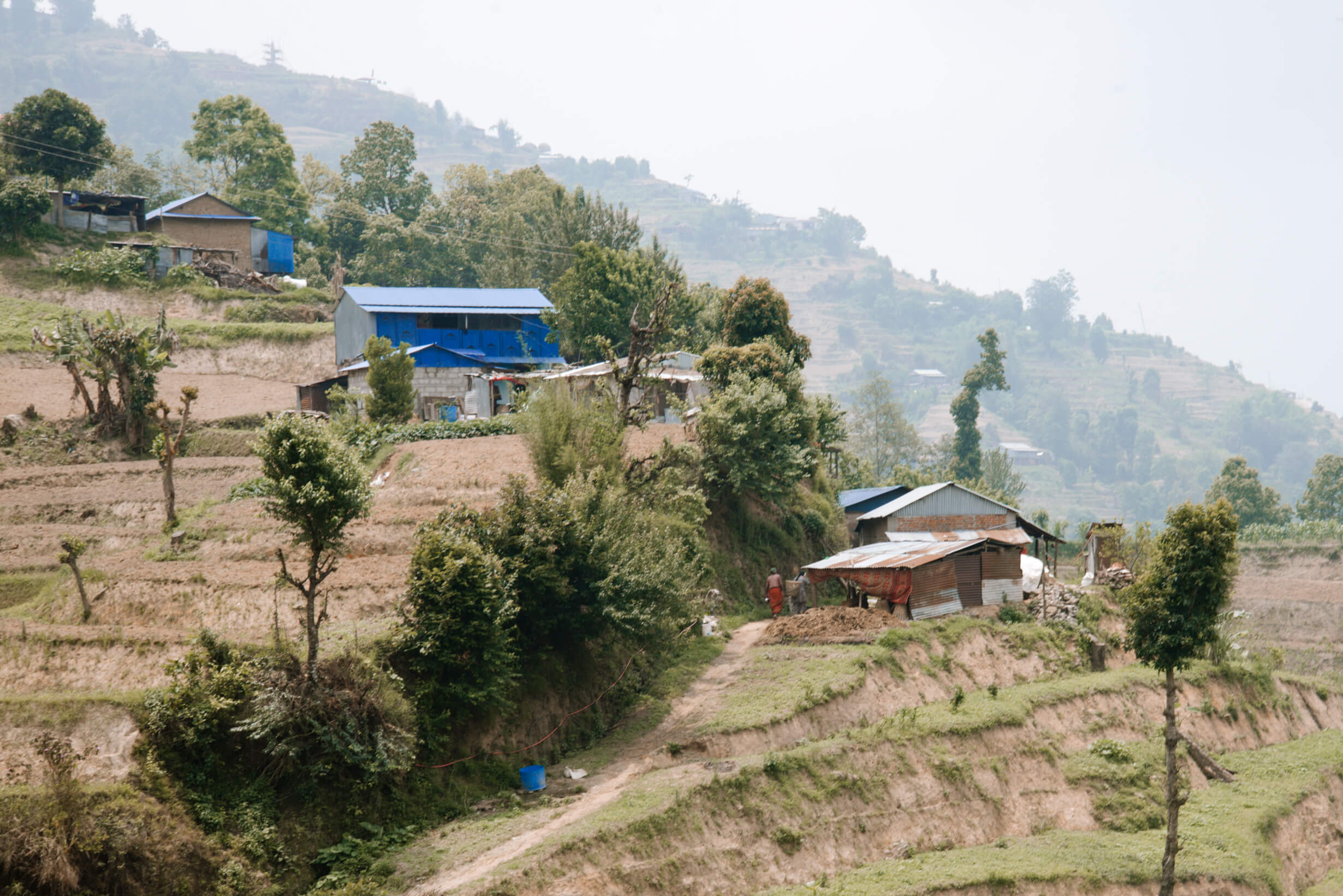
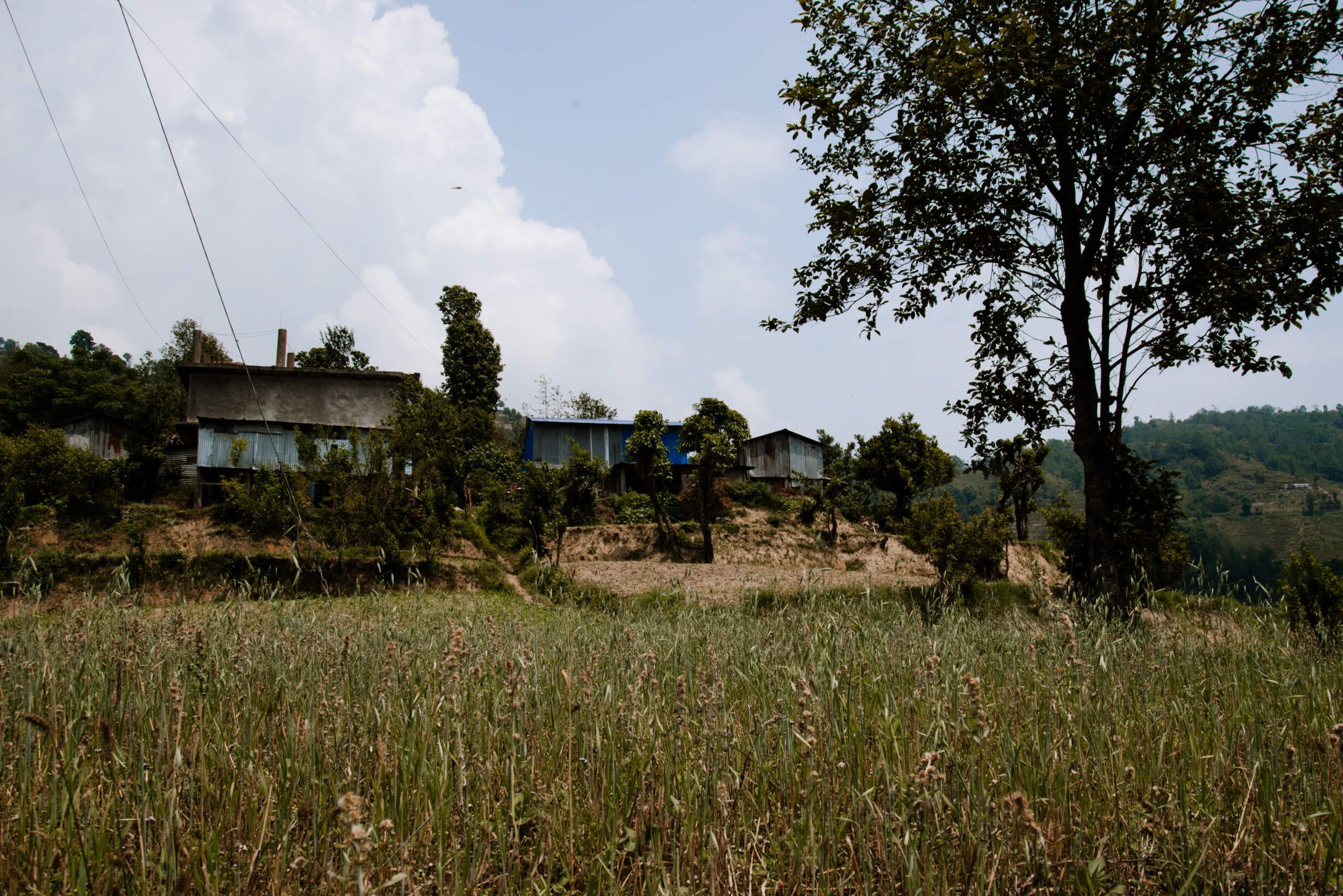
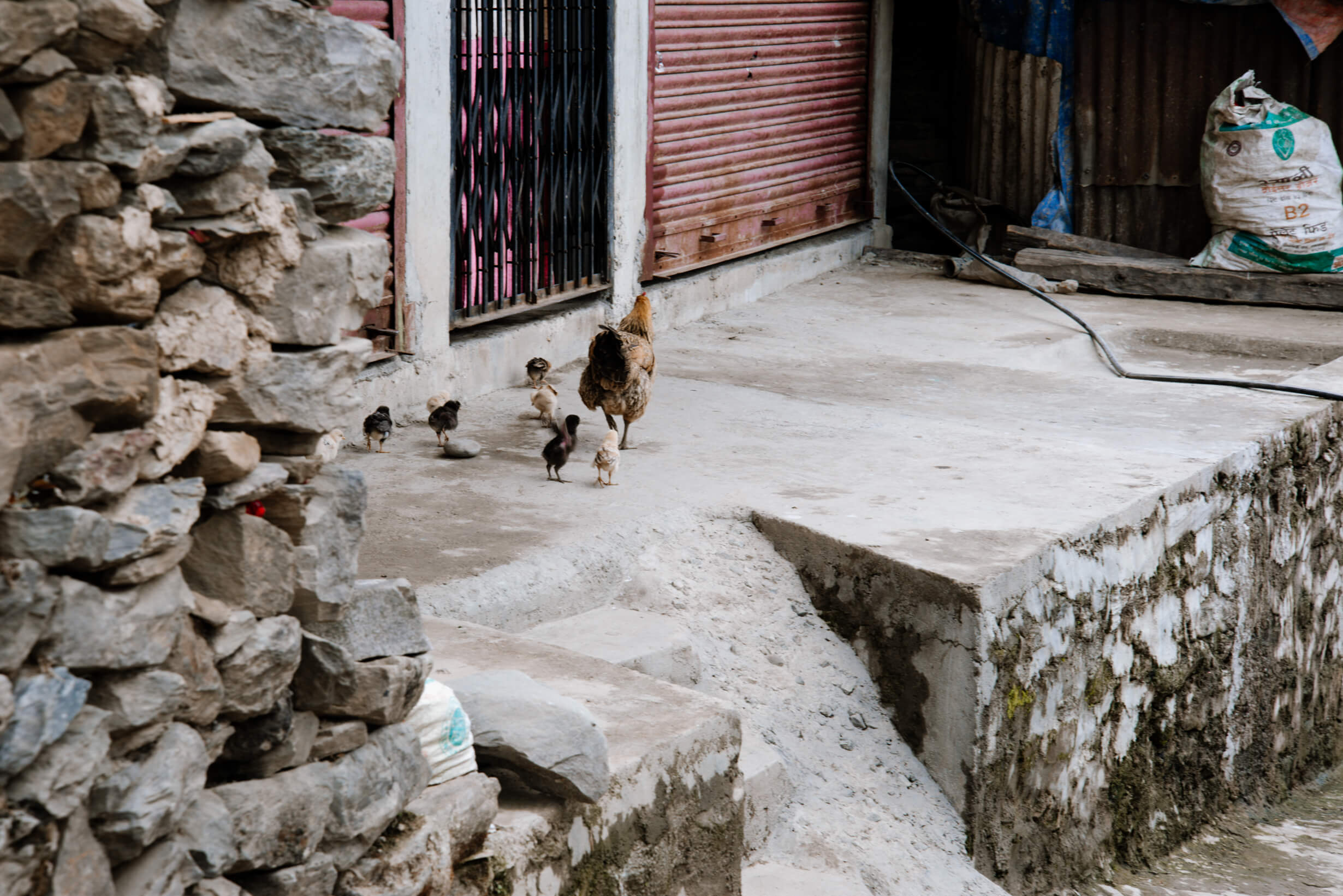
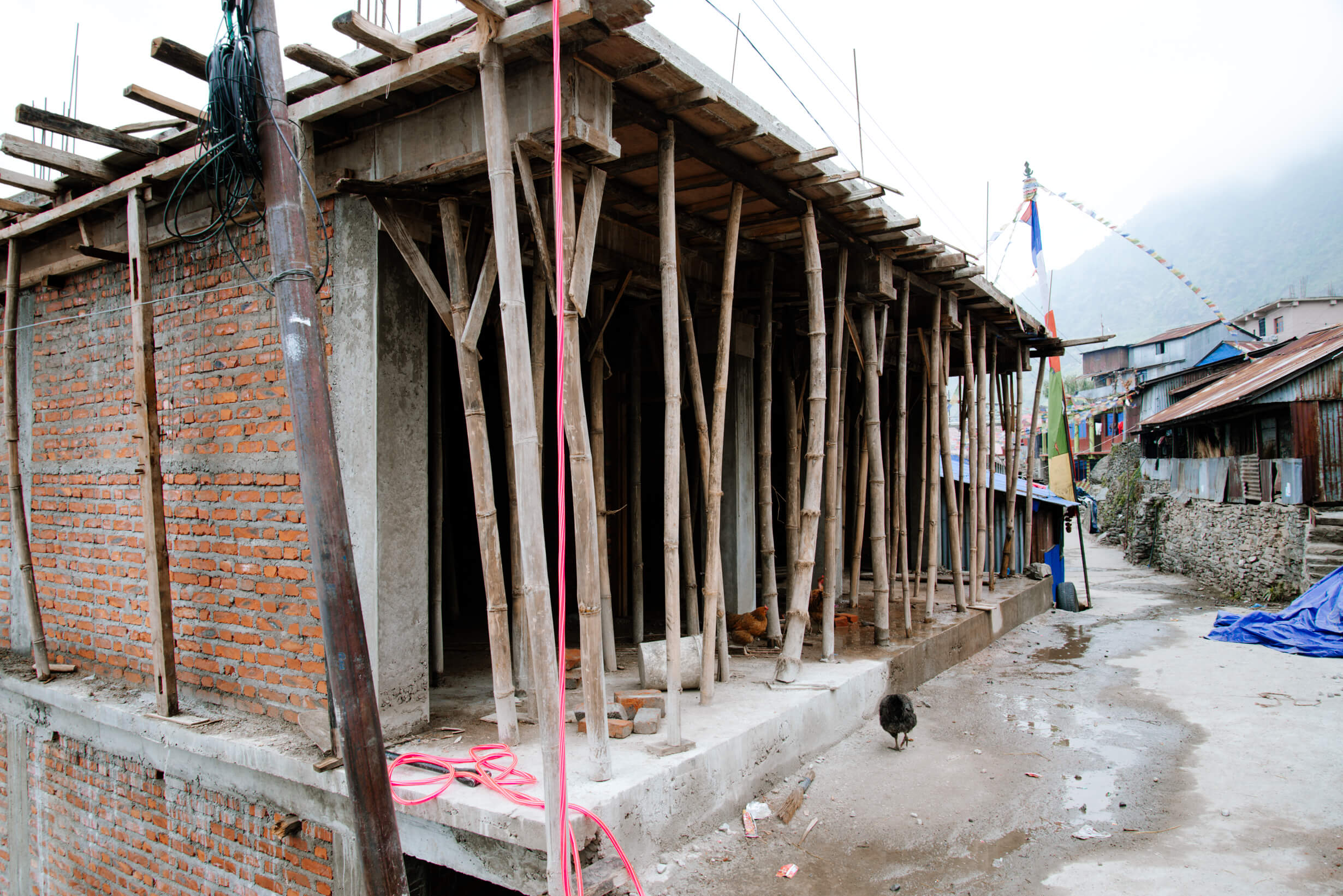
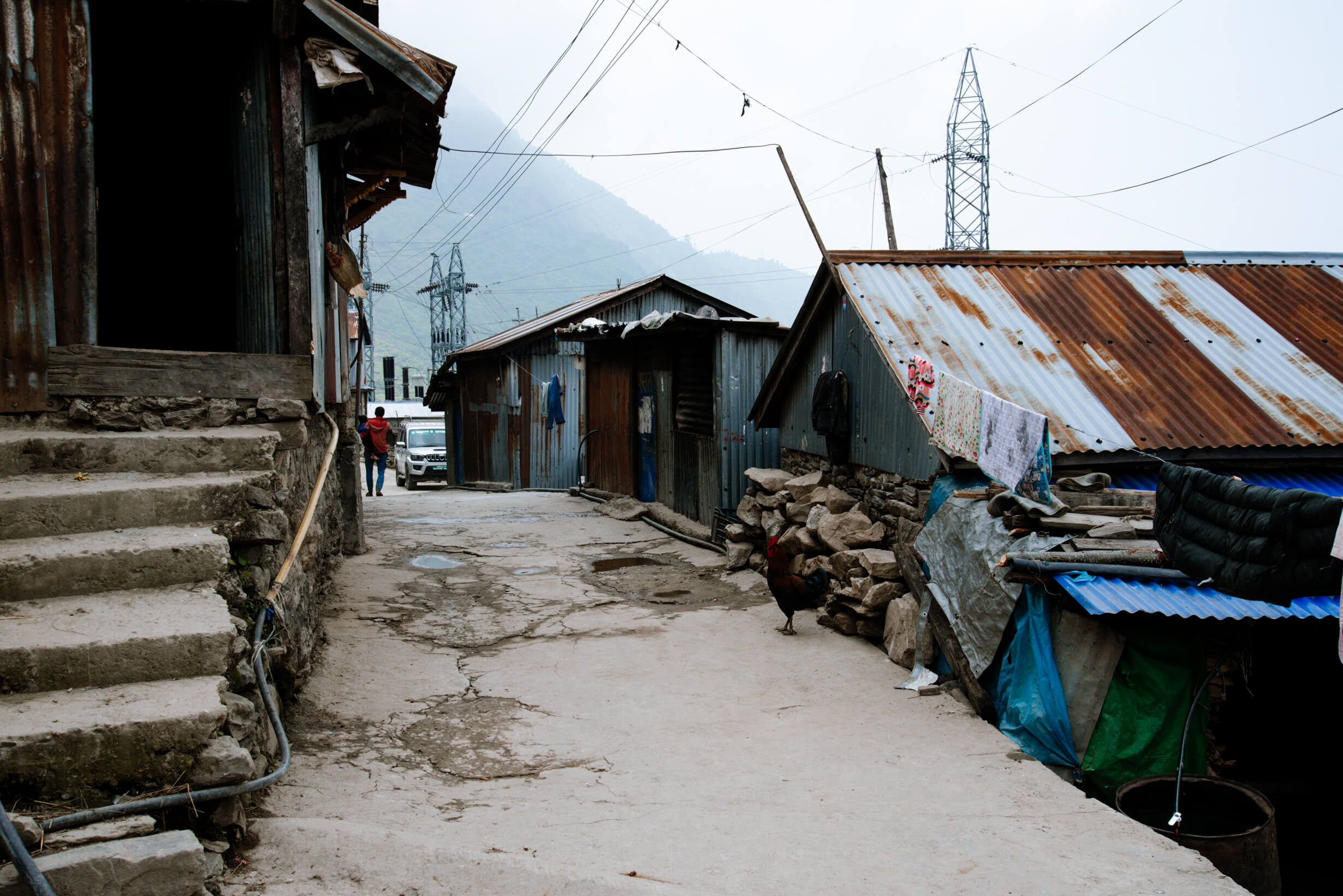
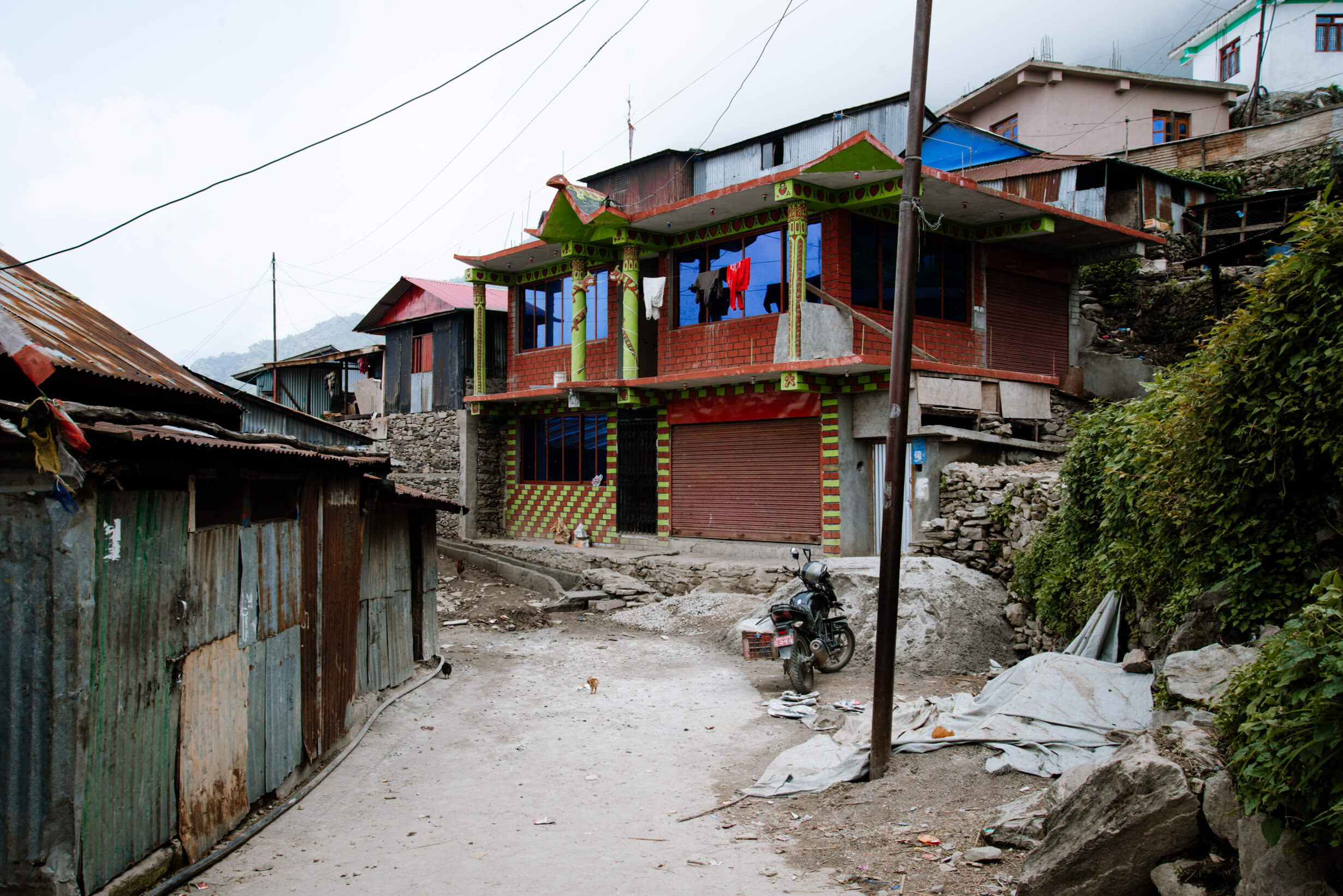
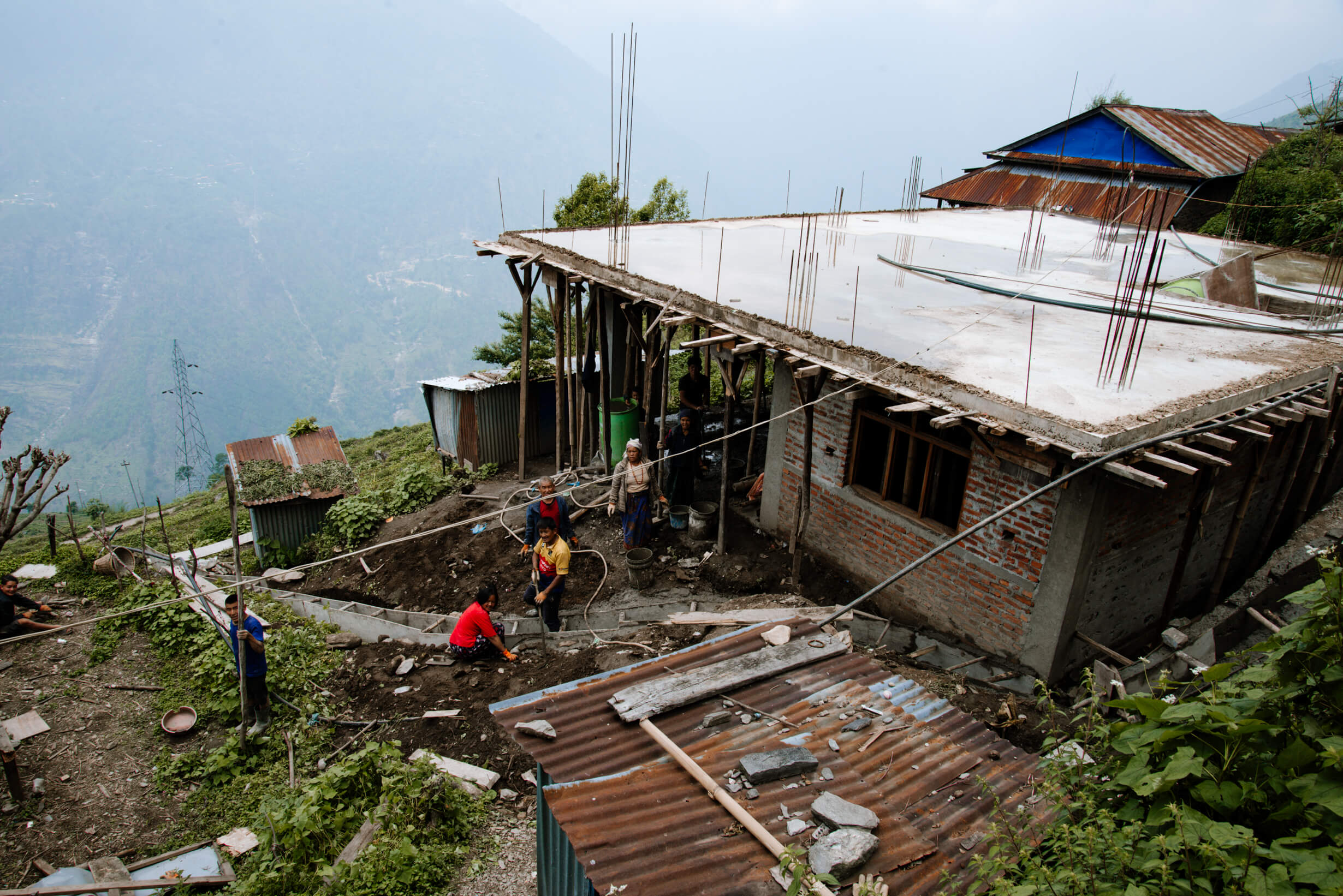
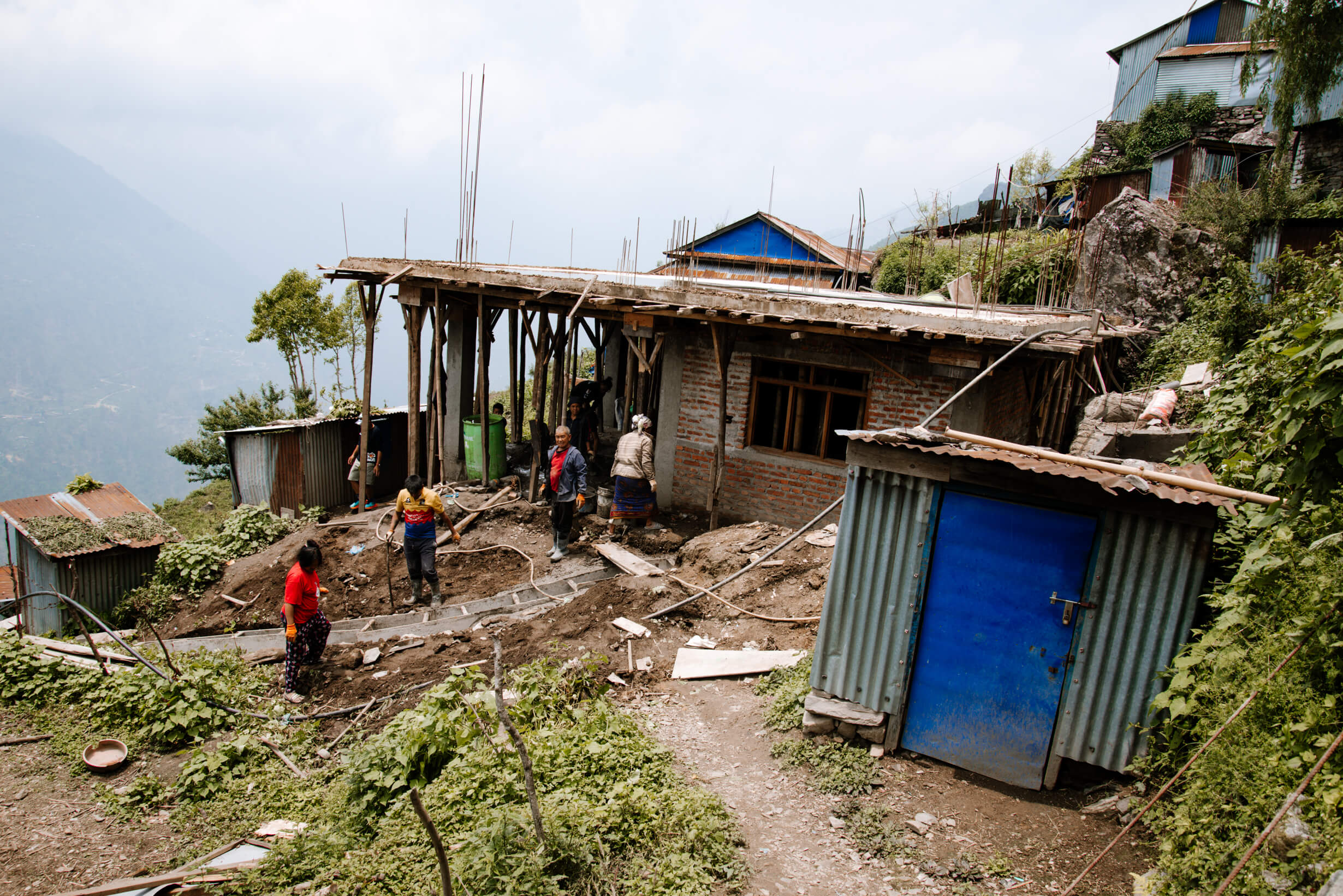
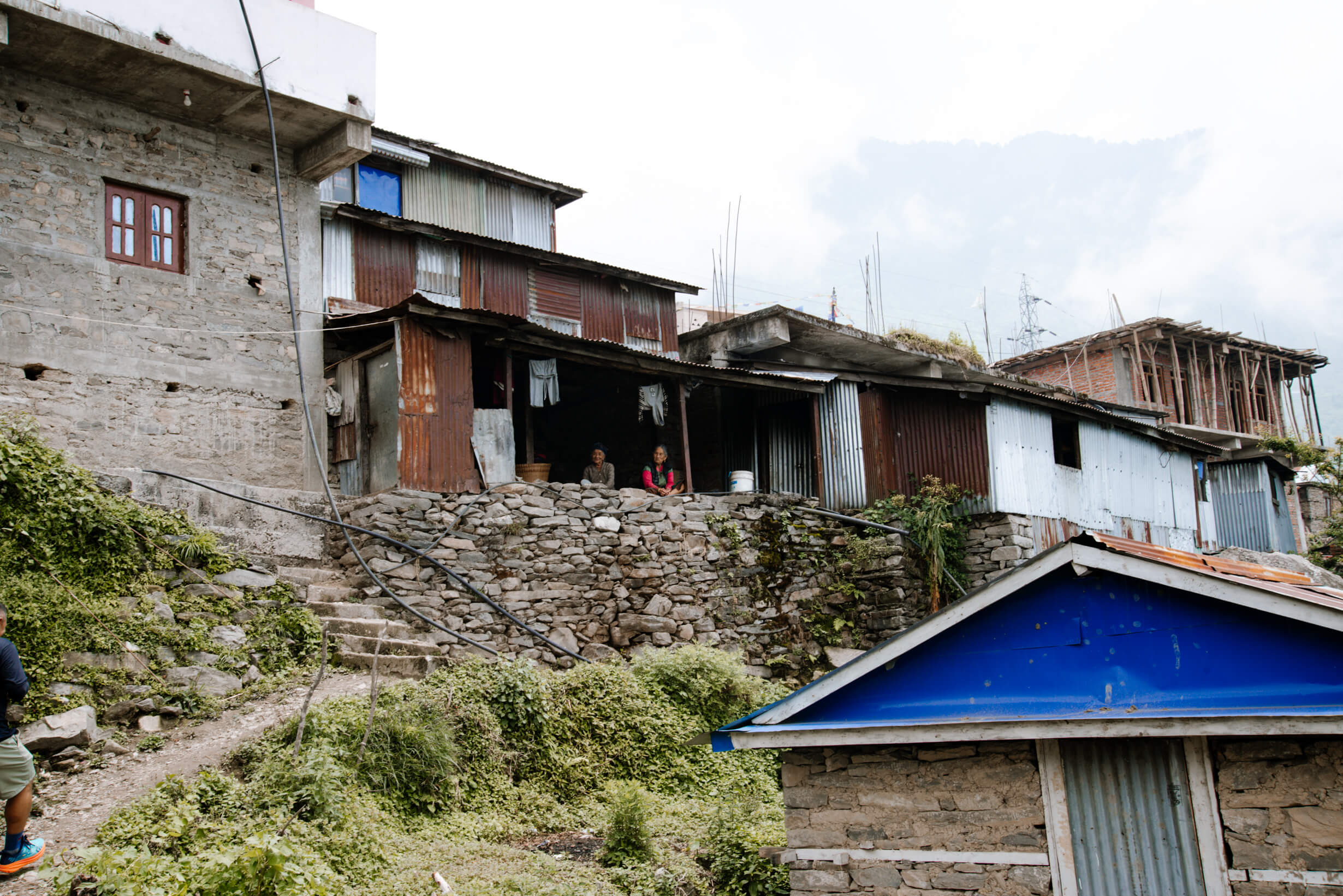
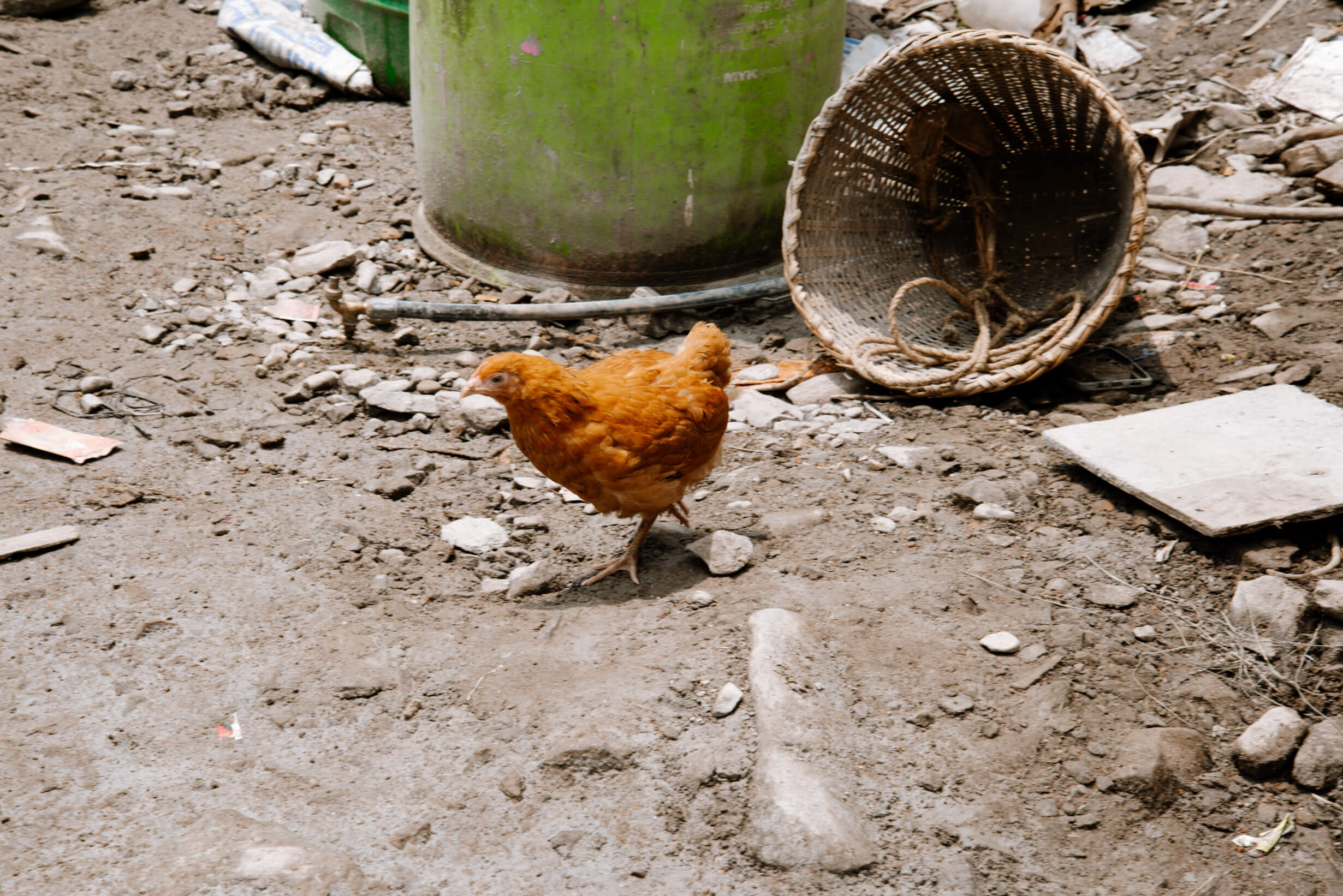
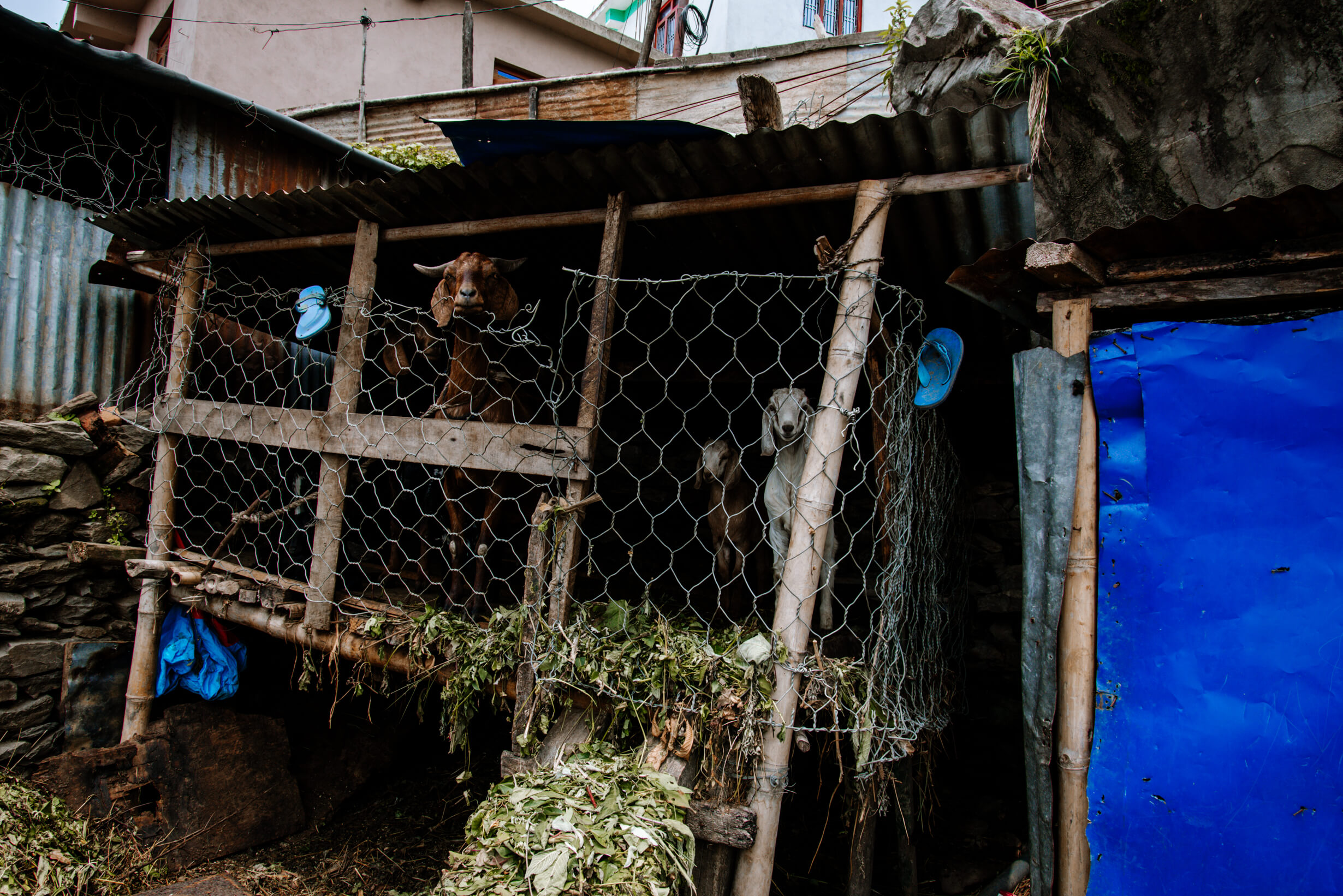
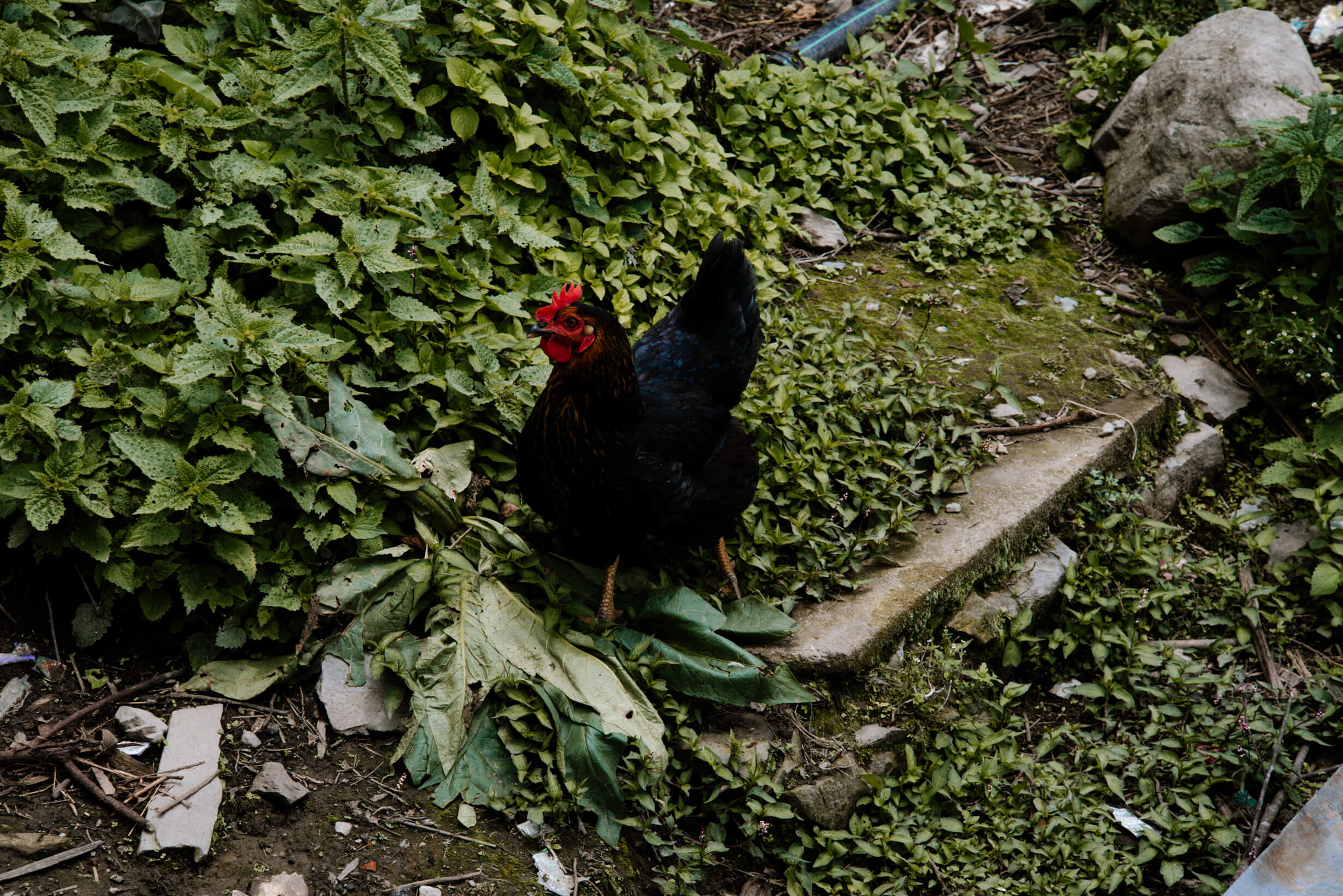
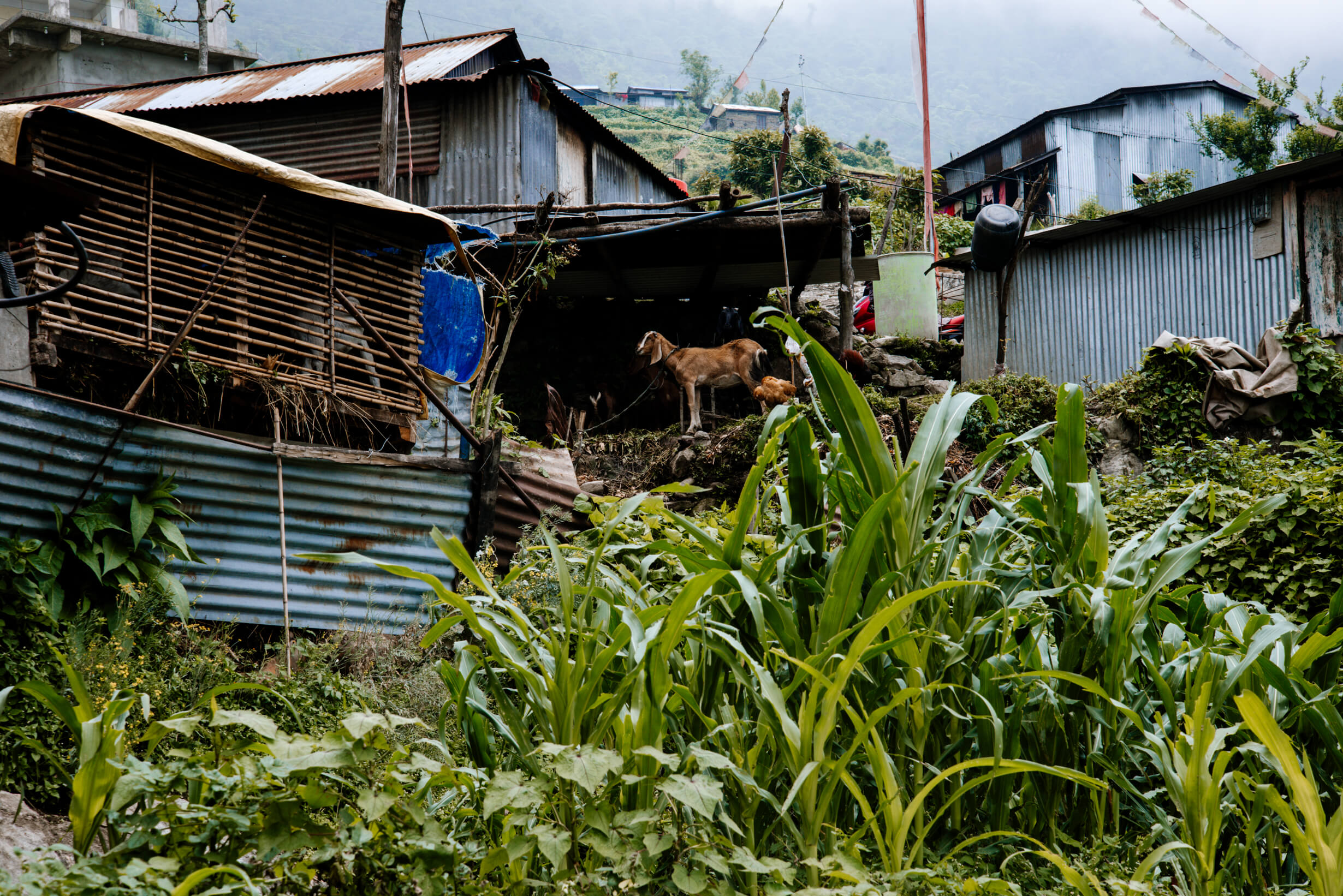
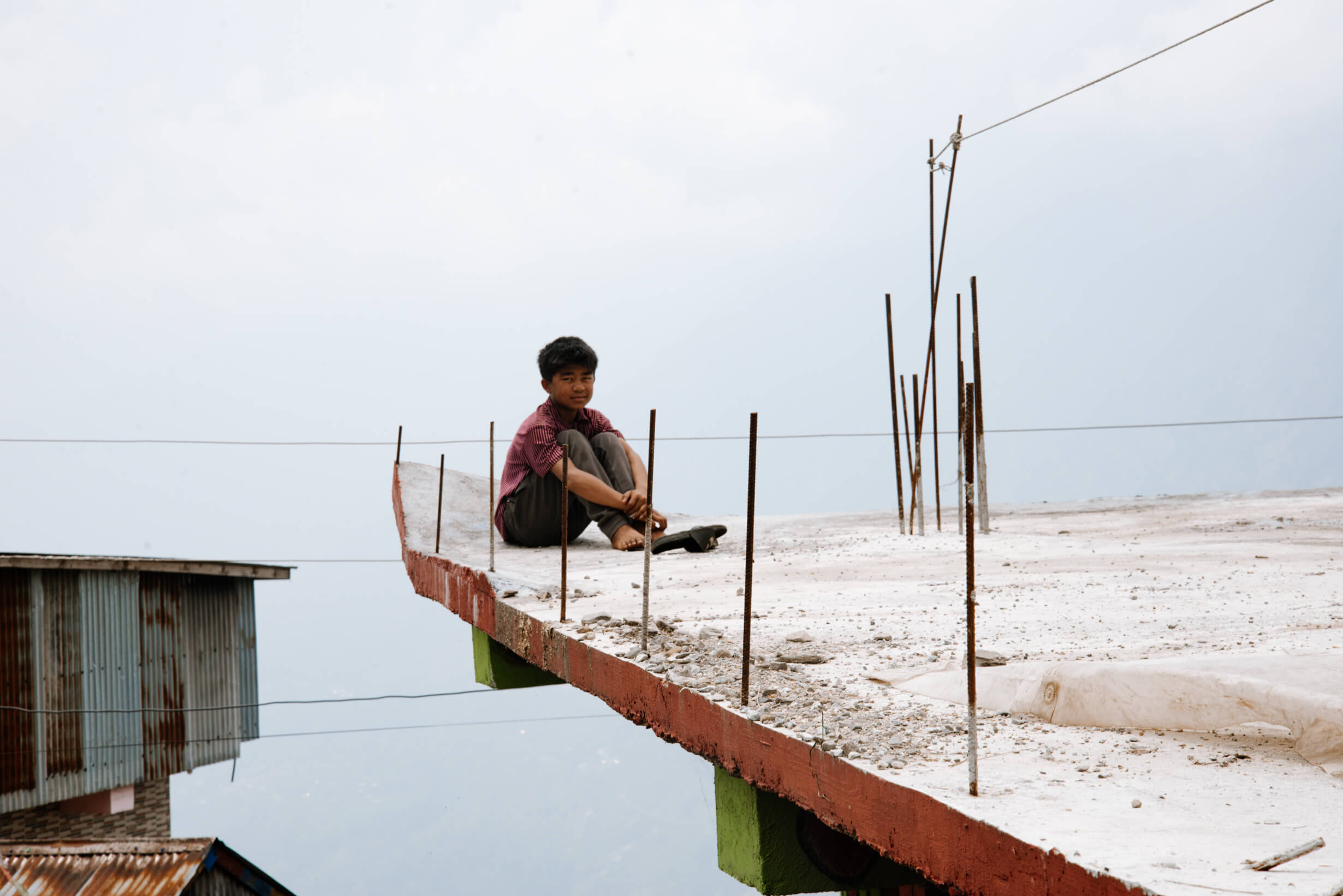
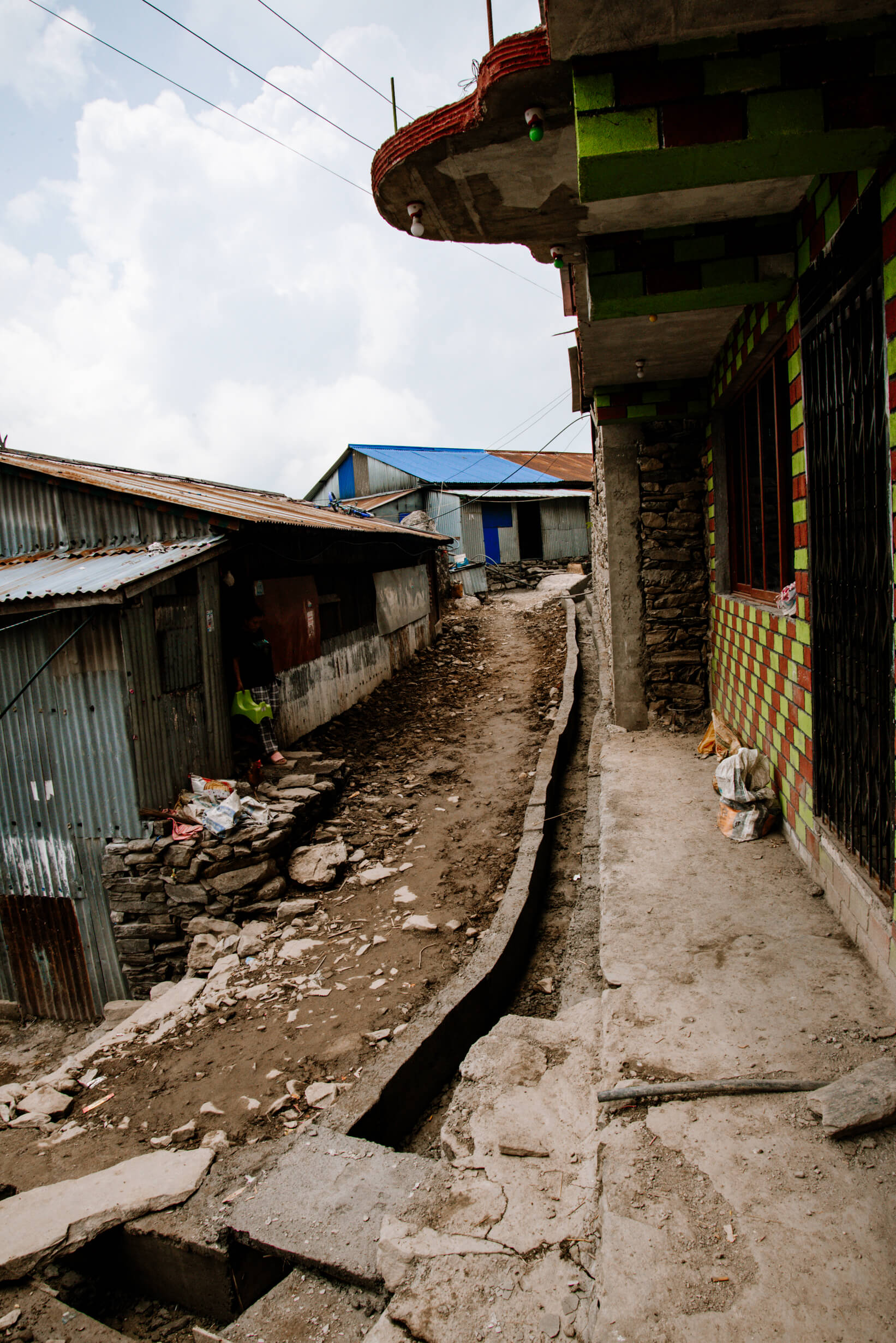
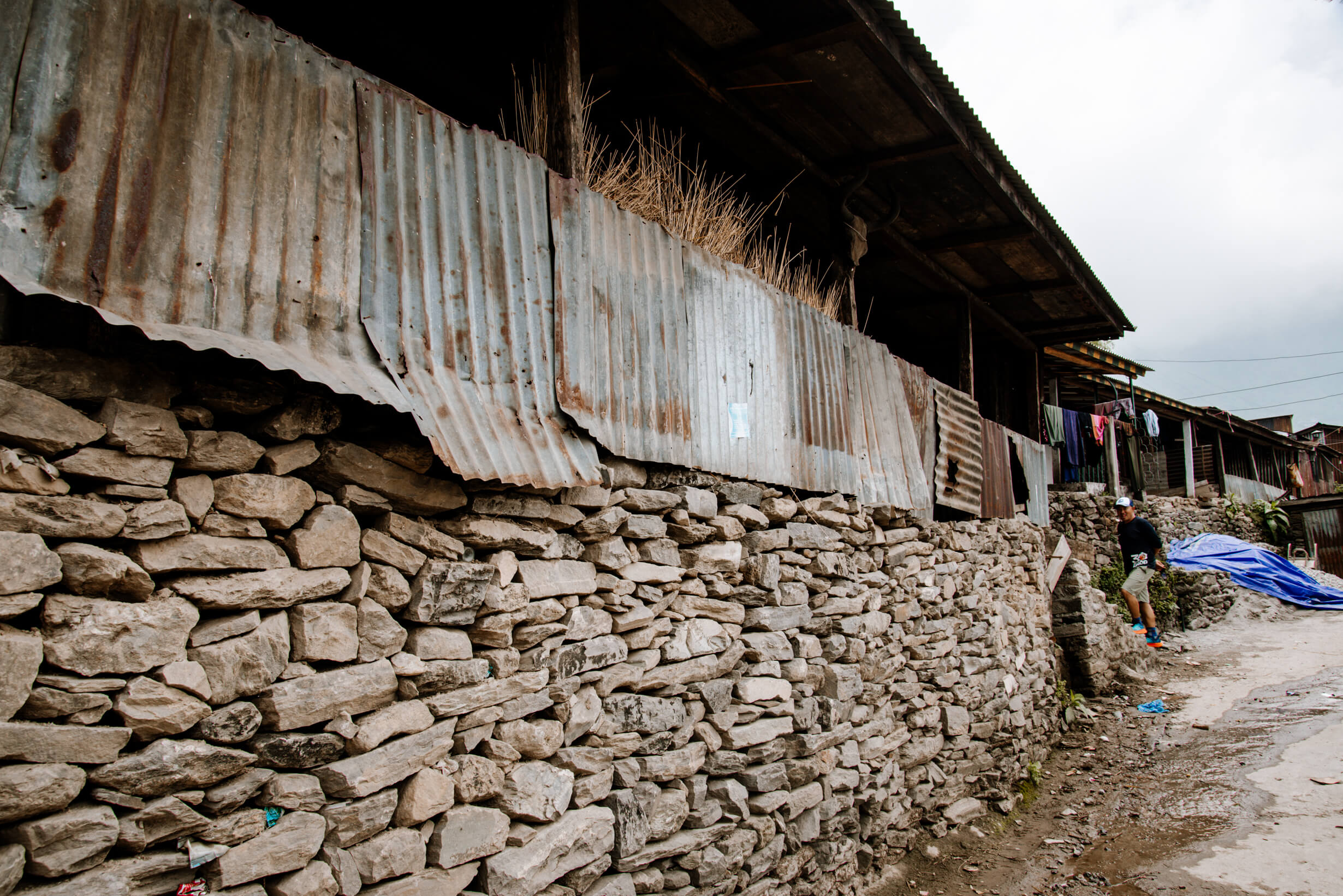
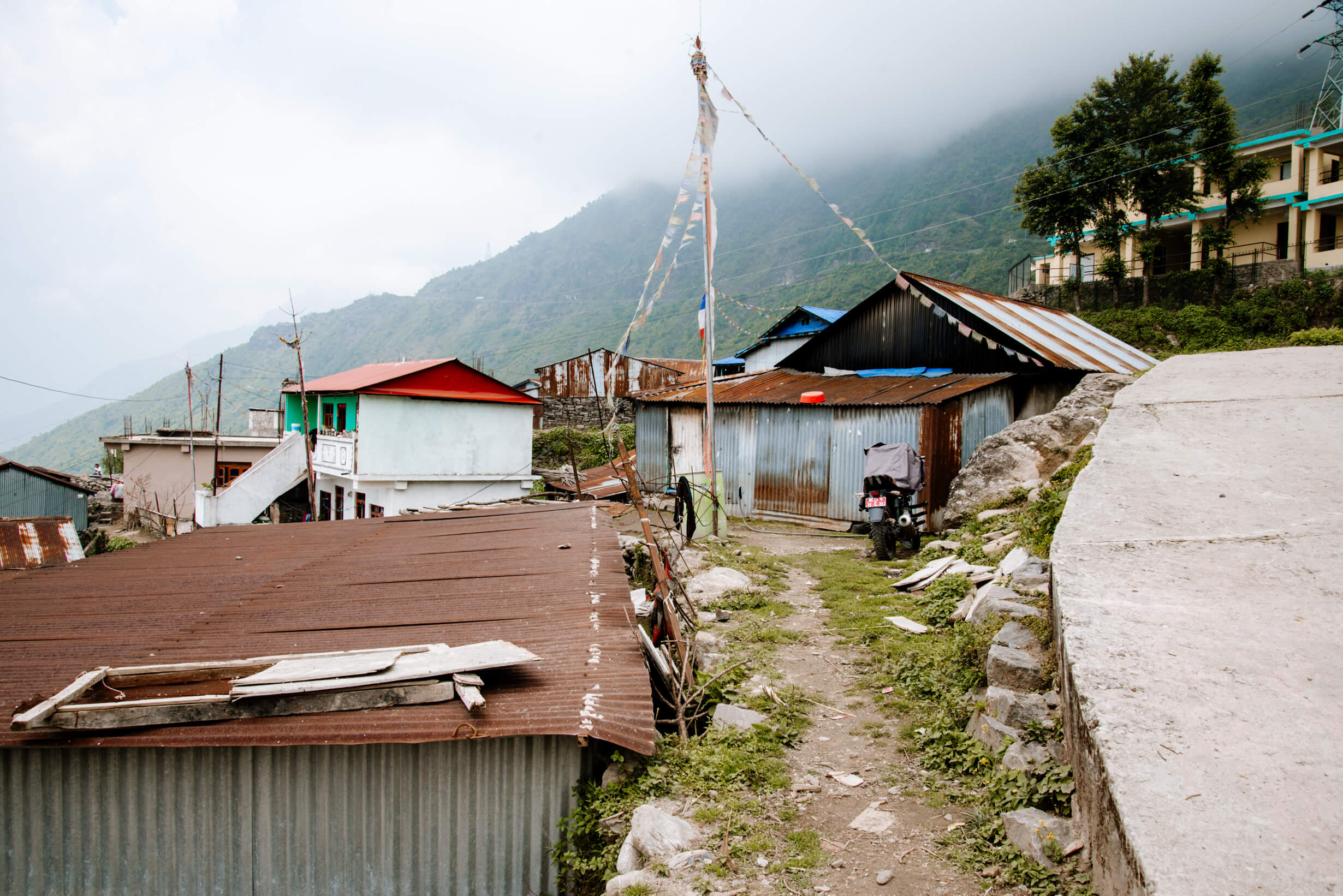
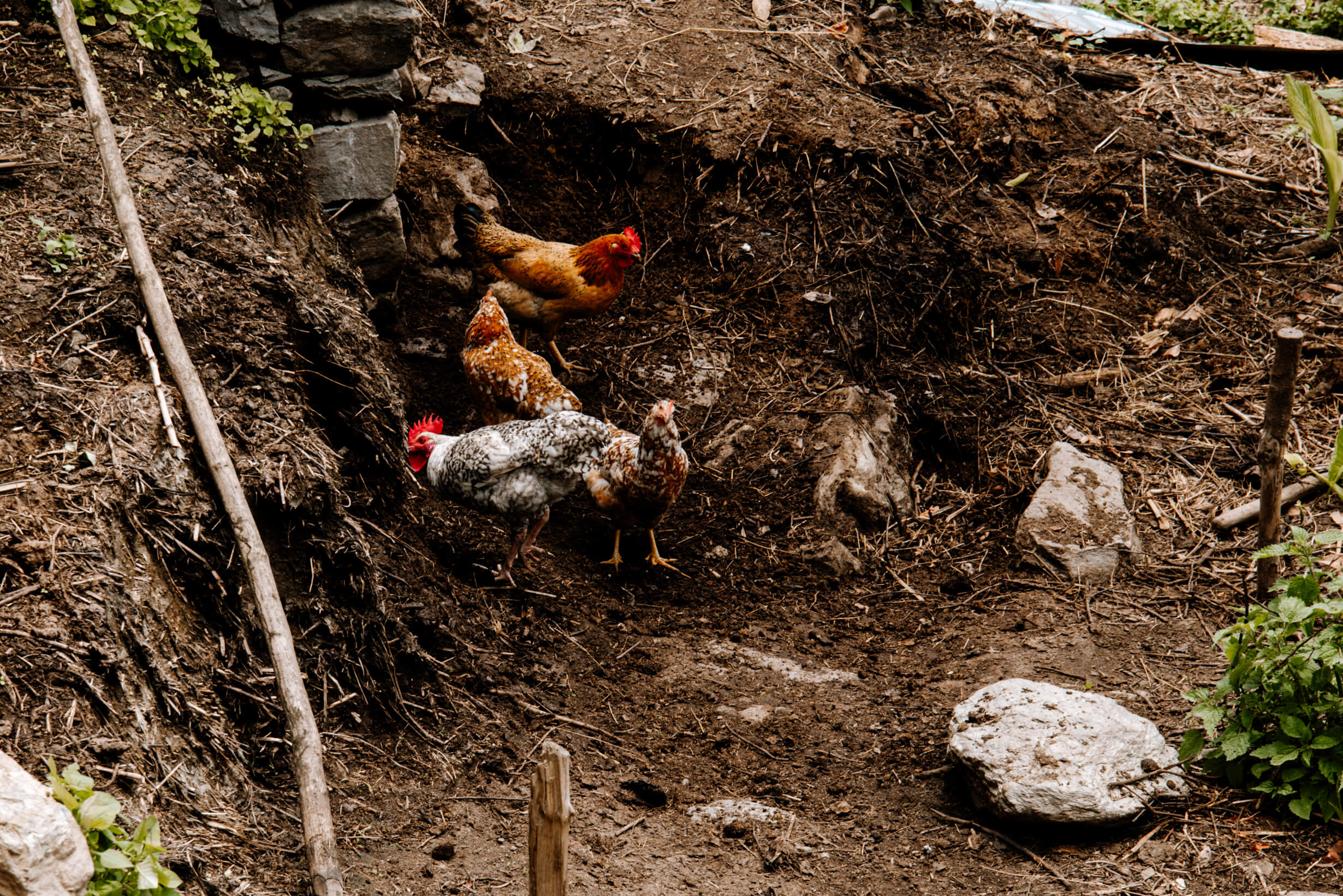
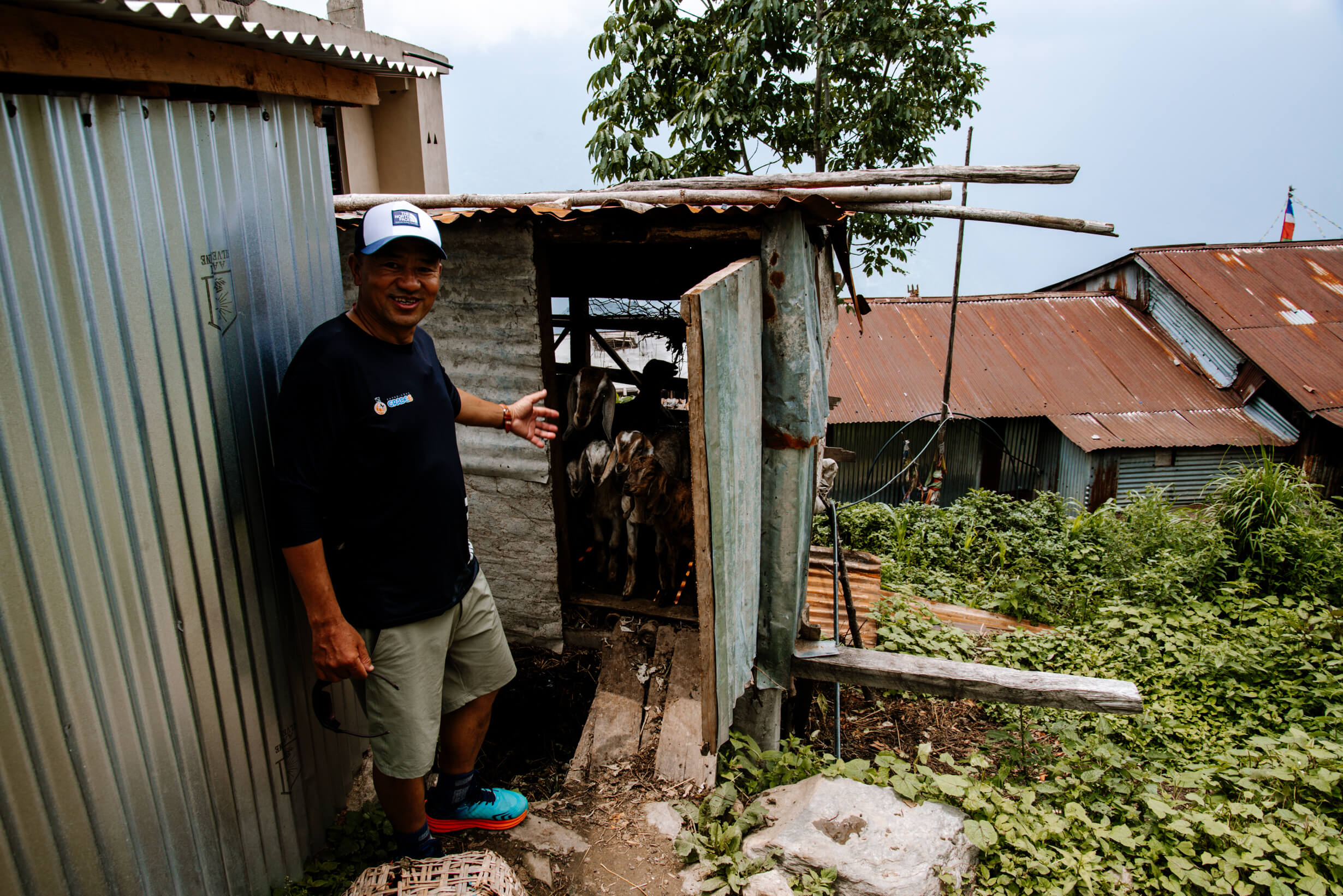
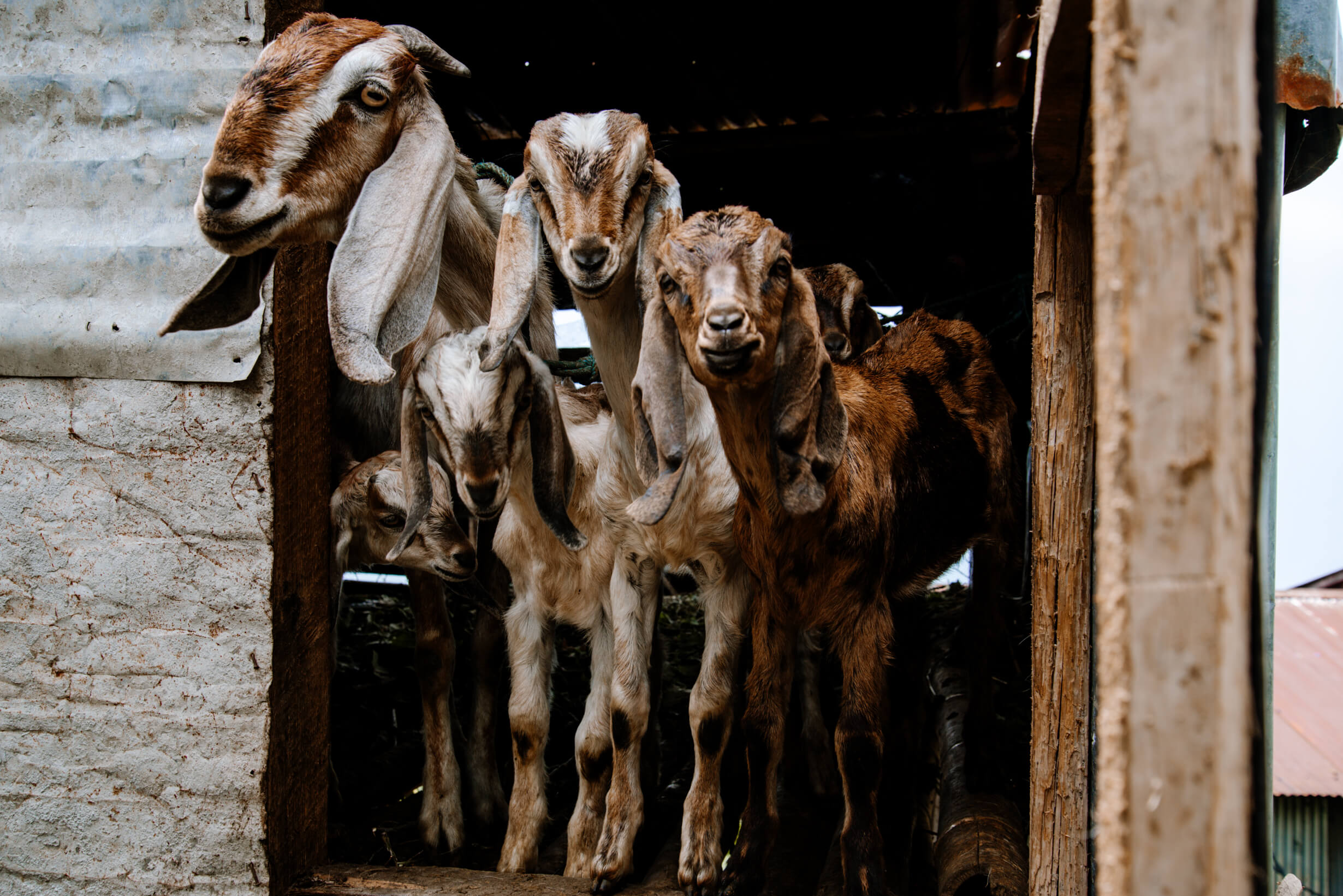
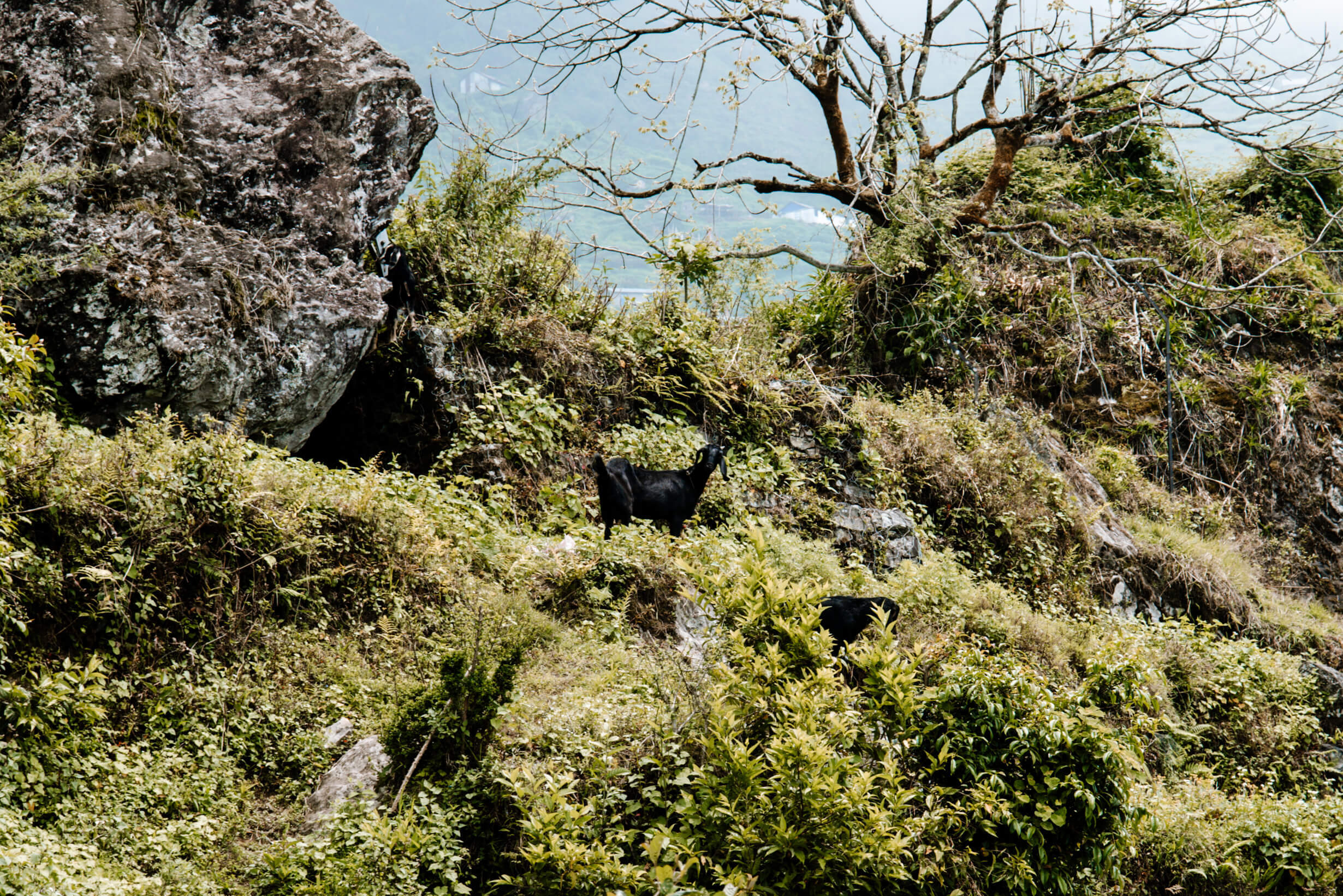
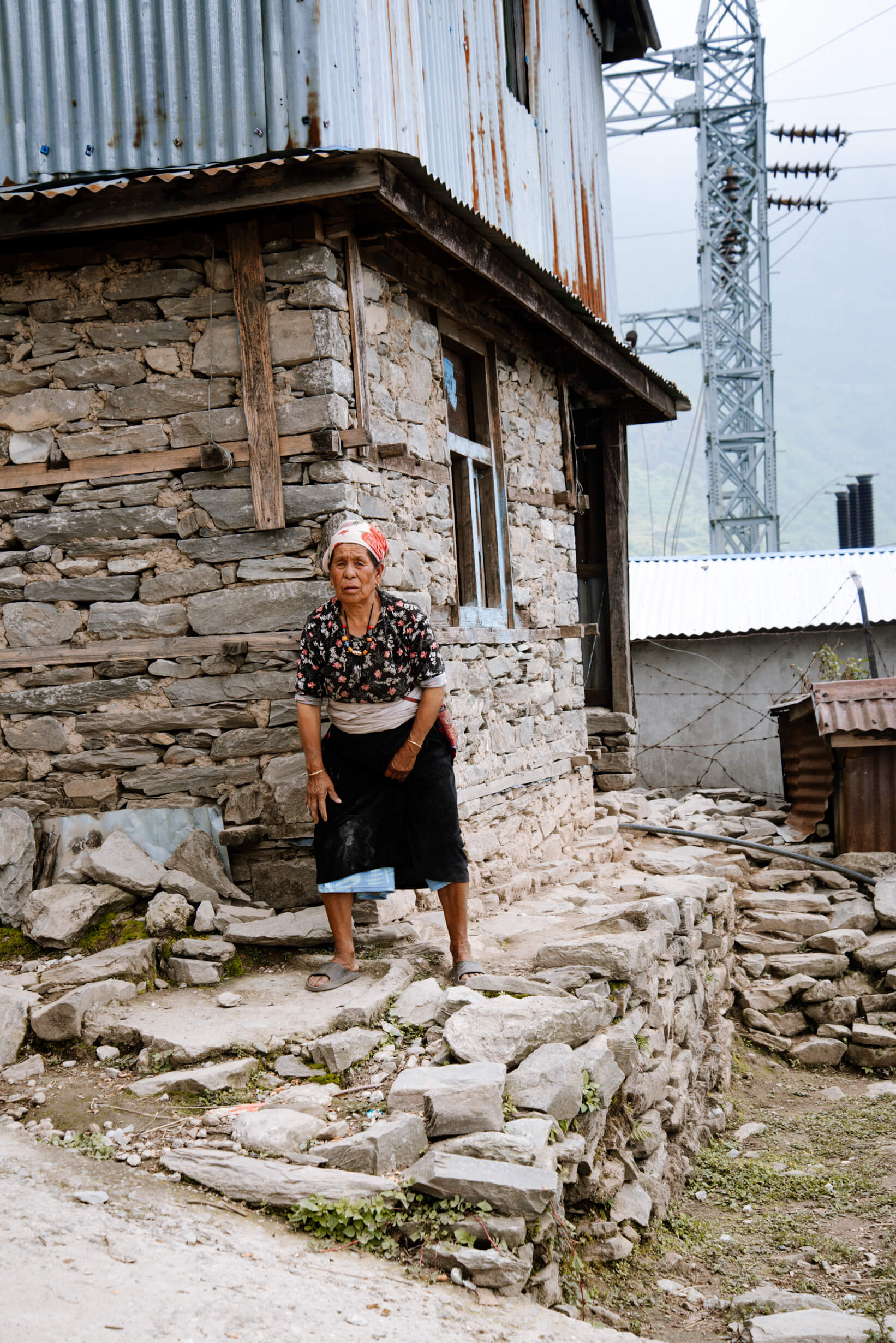
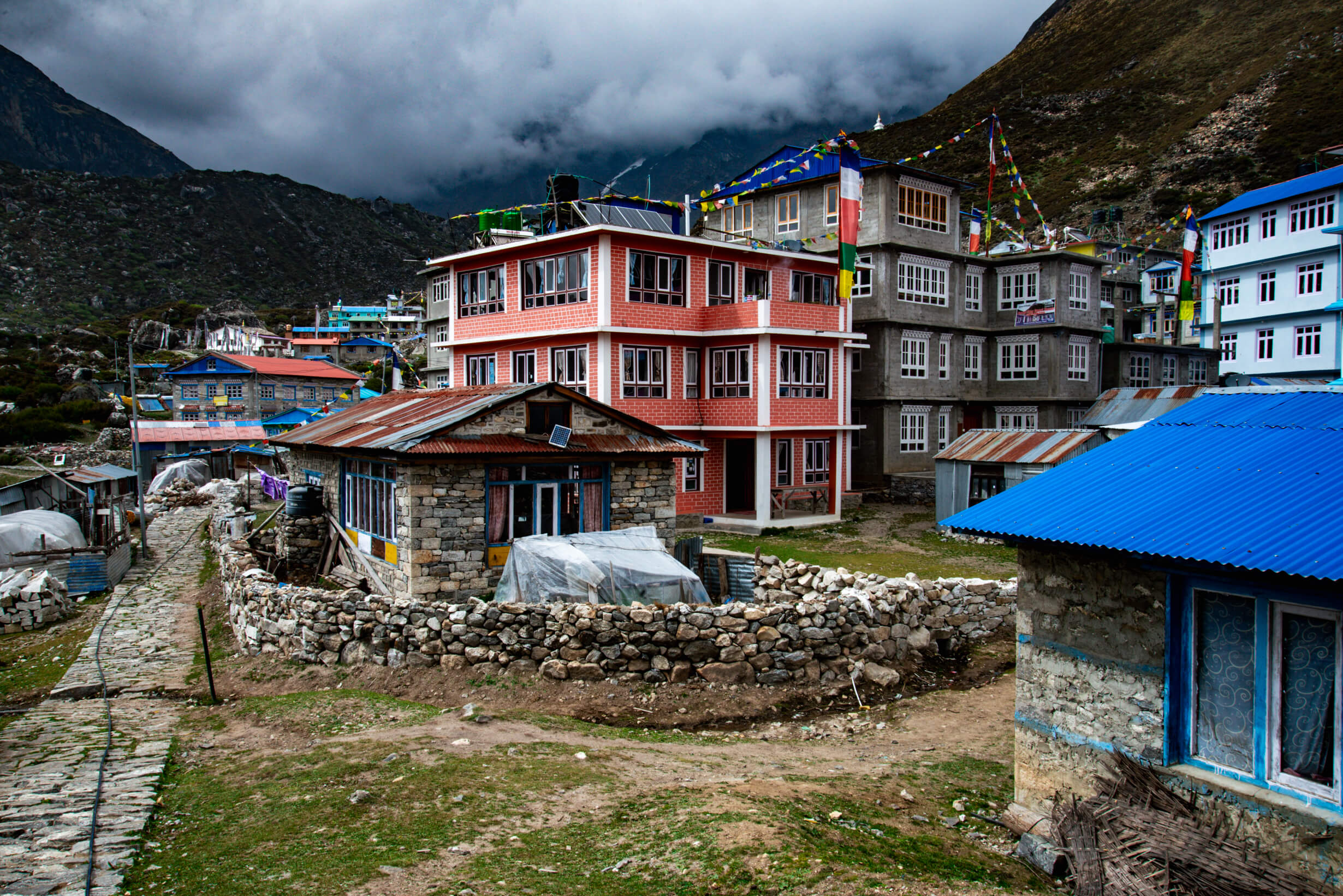
The village has changed dramatically. There's an enormous amount of construction going on; in some places, I hardly recognized it. Chickens were roaming everywhere, and there were plenty of goats – although most of them were currently grazing in the pasture by the river.
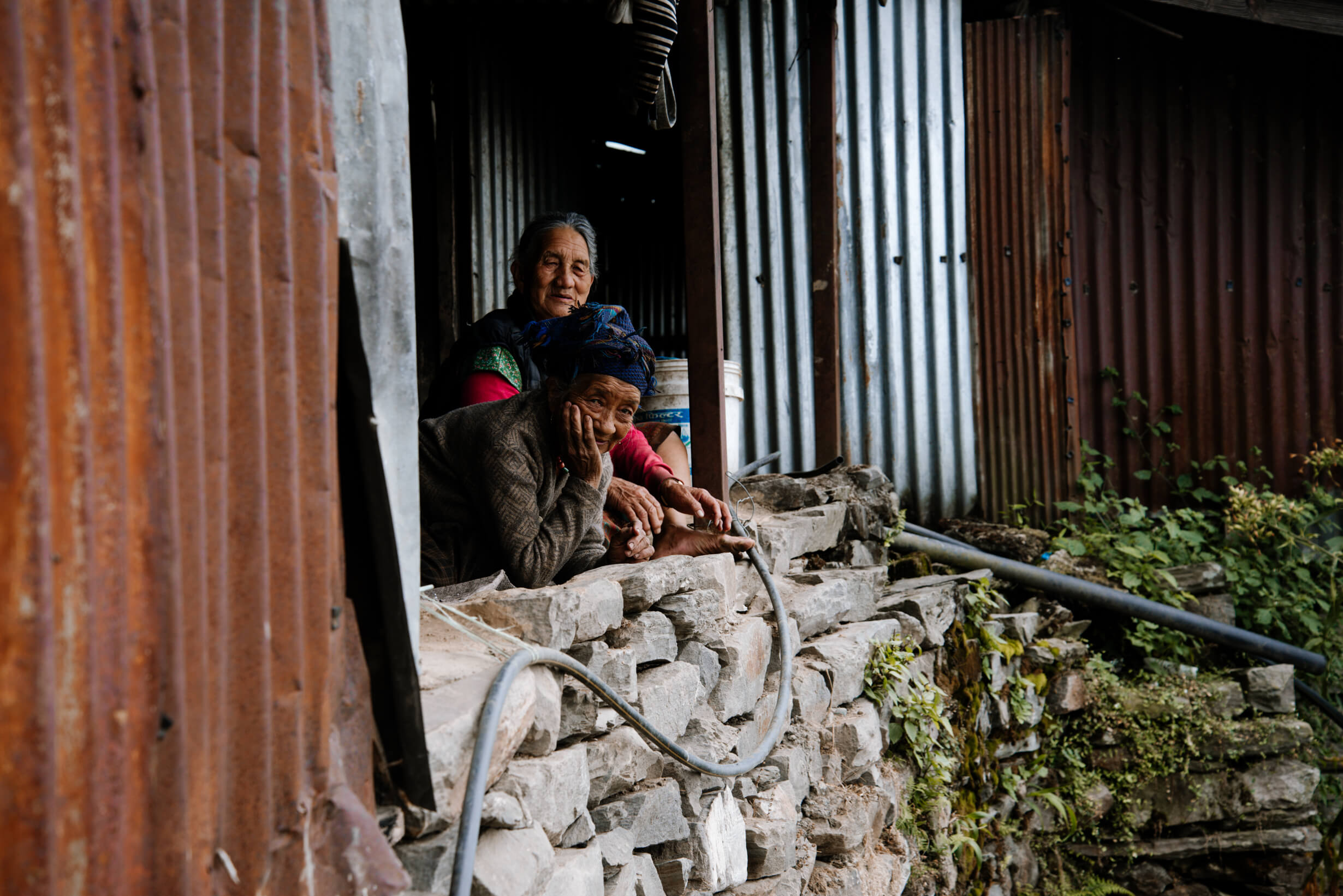
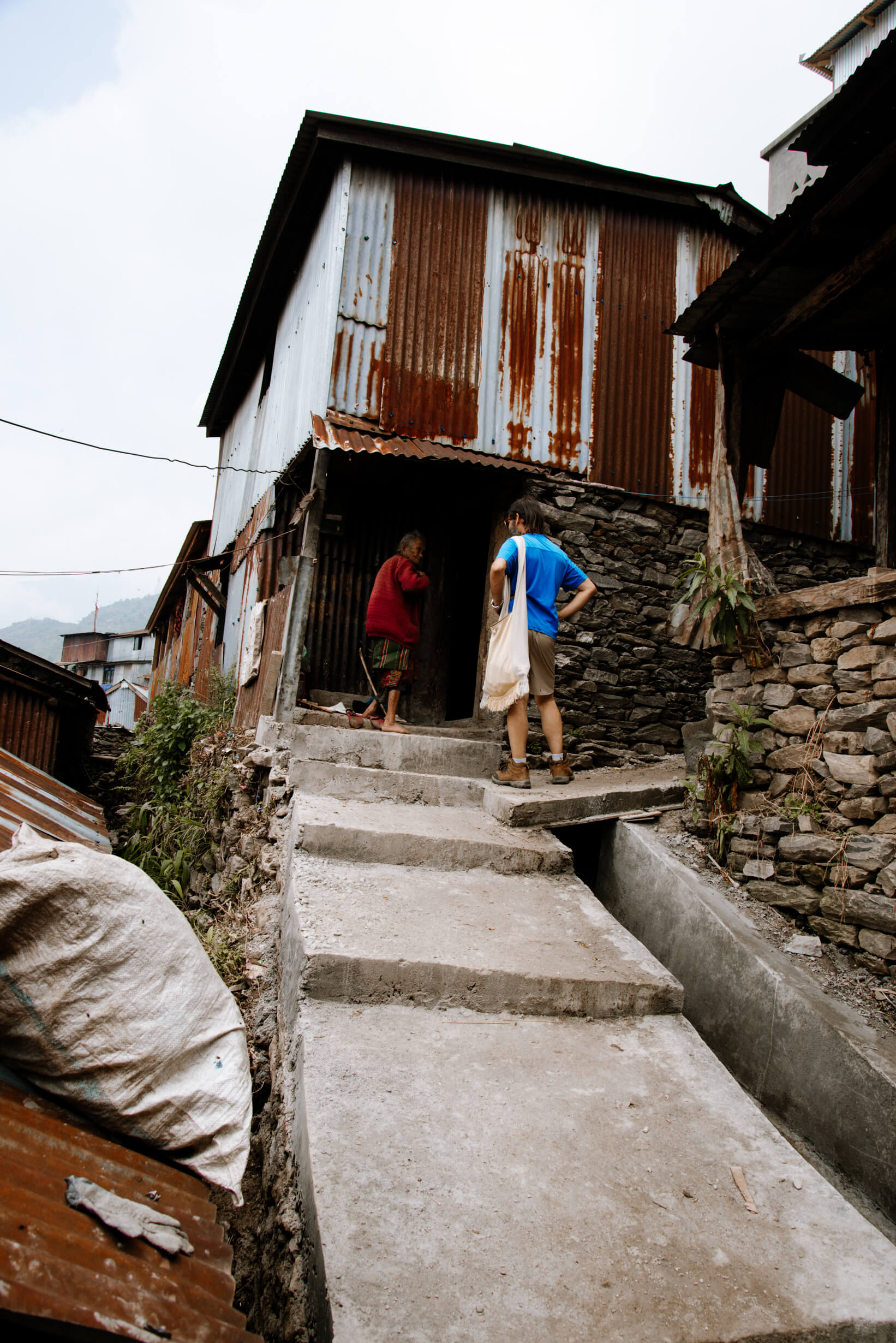
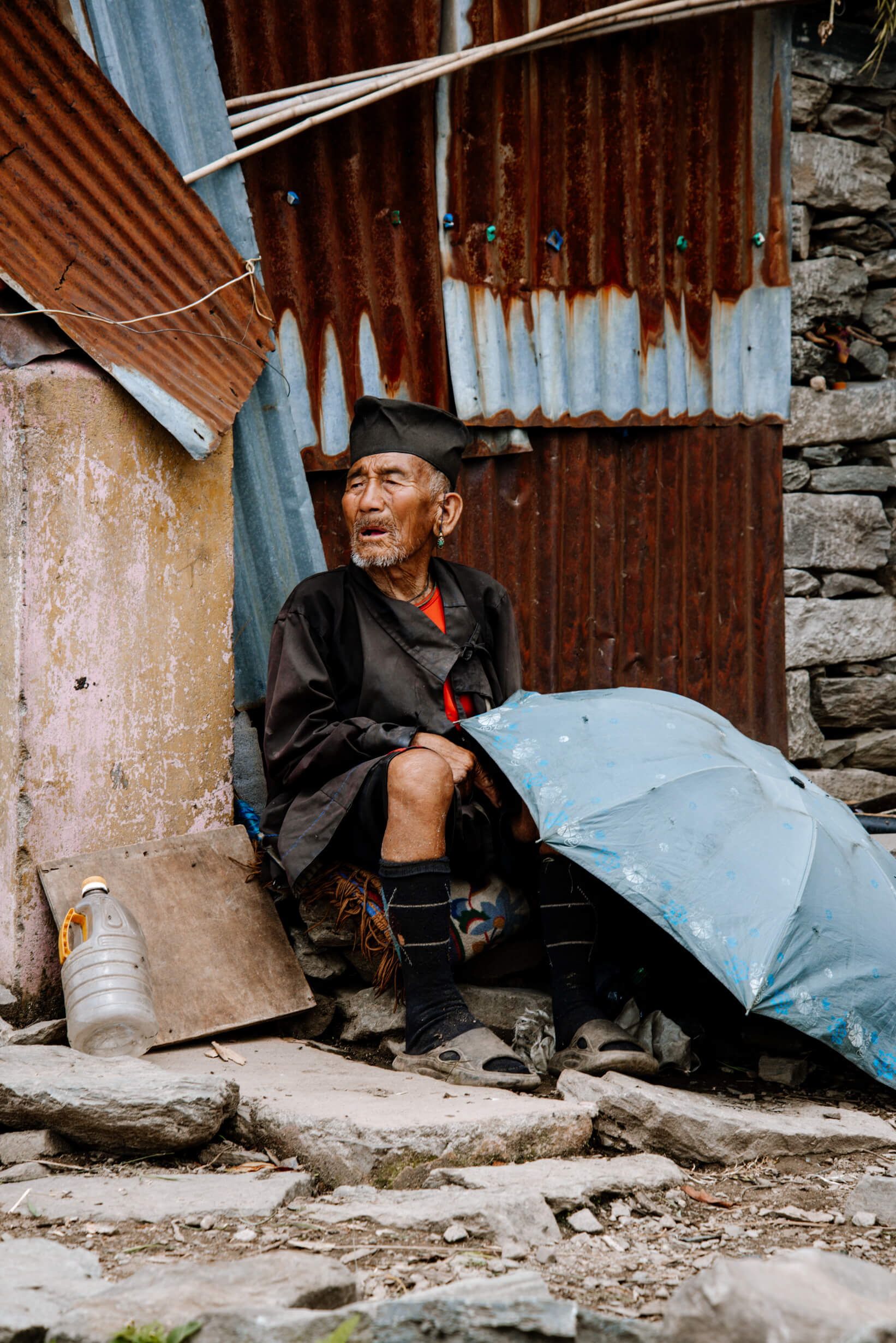
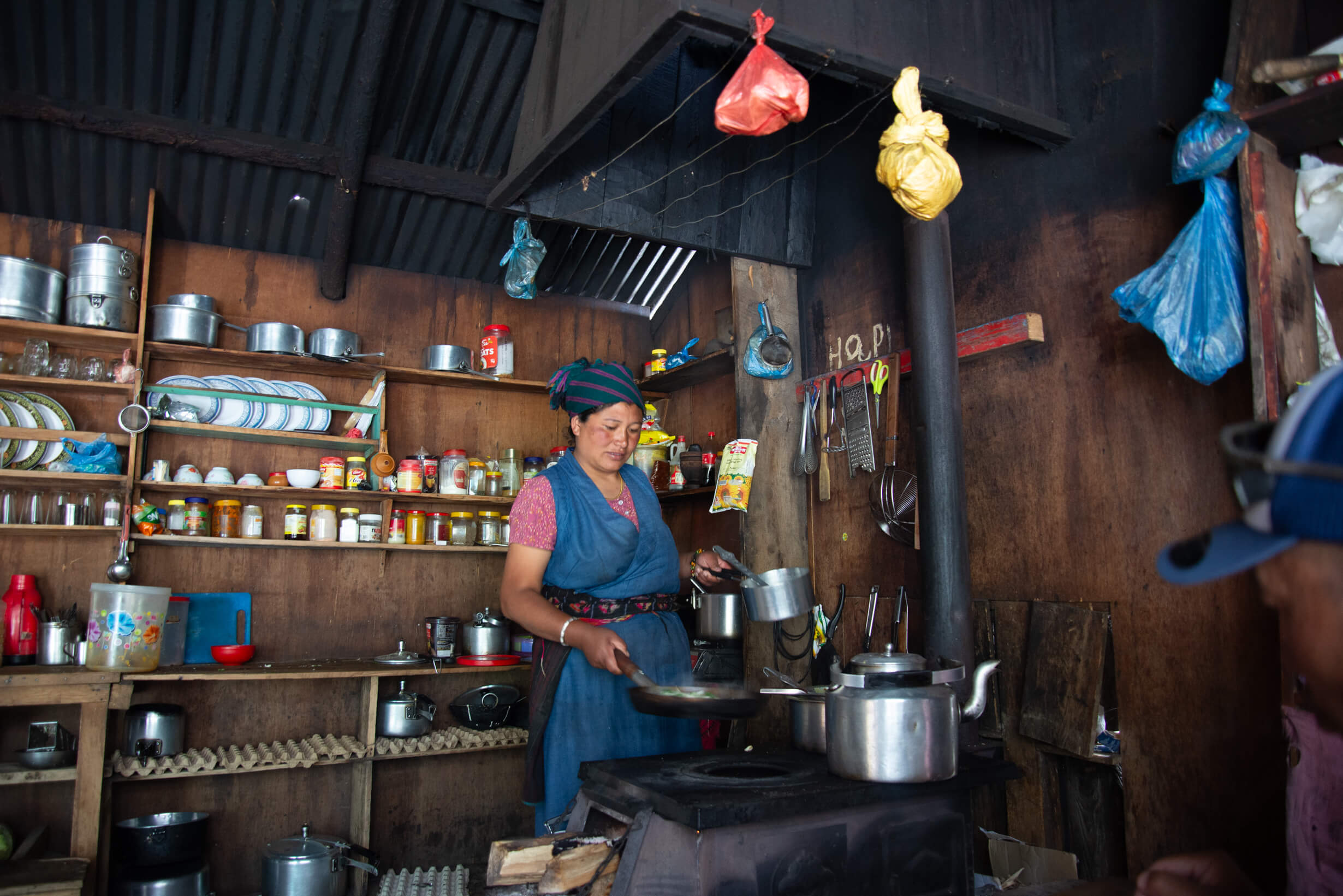
I had the chance to talk to an elderly woman. She told me that she had sold four goats in the last three and a half years – two more, which still need to grow a bit, will be added in the fall. That brings in an income of around $800, which she wouldn't have otherwise had. When I consider that we spent about $1,300 per house on building materials in Bhumesthan, it gives a striking sense of what $800 means in these people's lives.
It's wonderful to see how such a project unfolds over the years. The animals reproduce, the people sell, save, invest – and eventually, a single goat becomes a small, stable source of income. That's exactly what we wanted.


Me-Time – The Langtang Trek
After the project visits, I deliberately set aside some time for myself. And what could be better in Nepal than a trek?
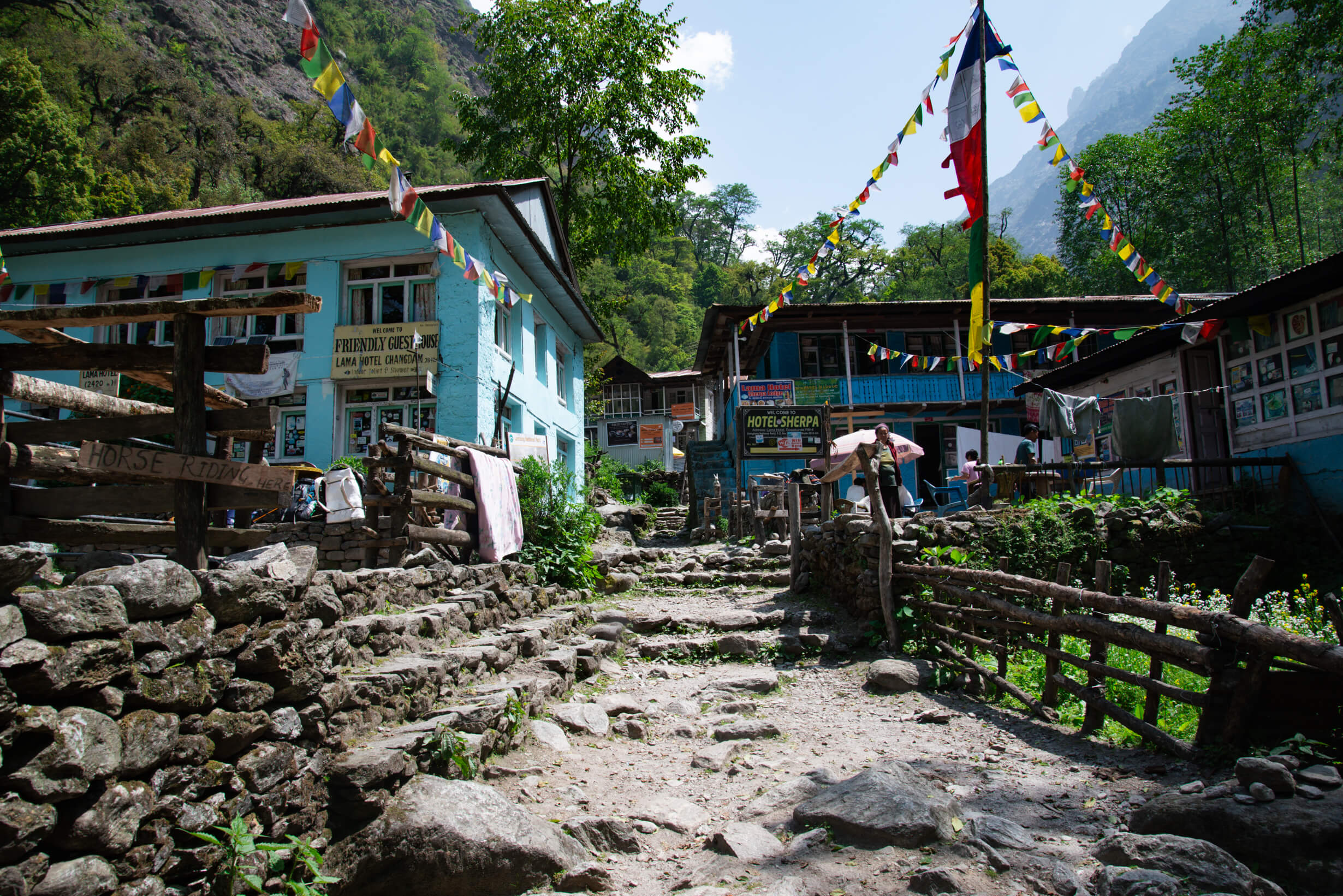
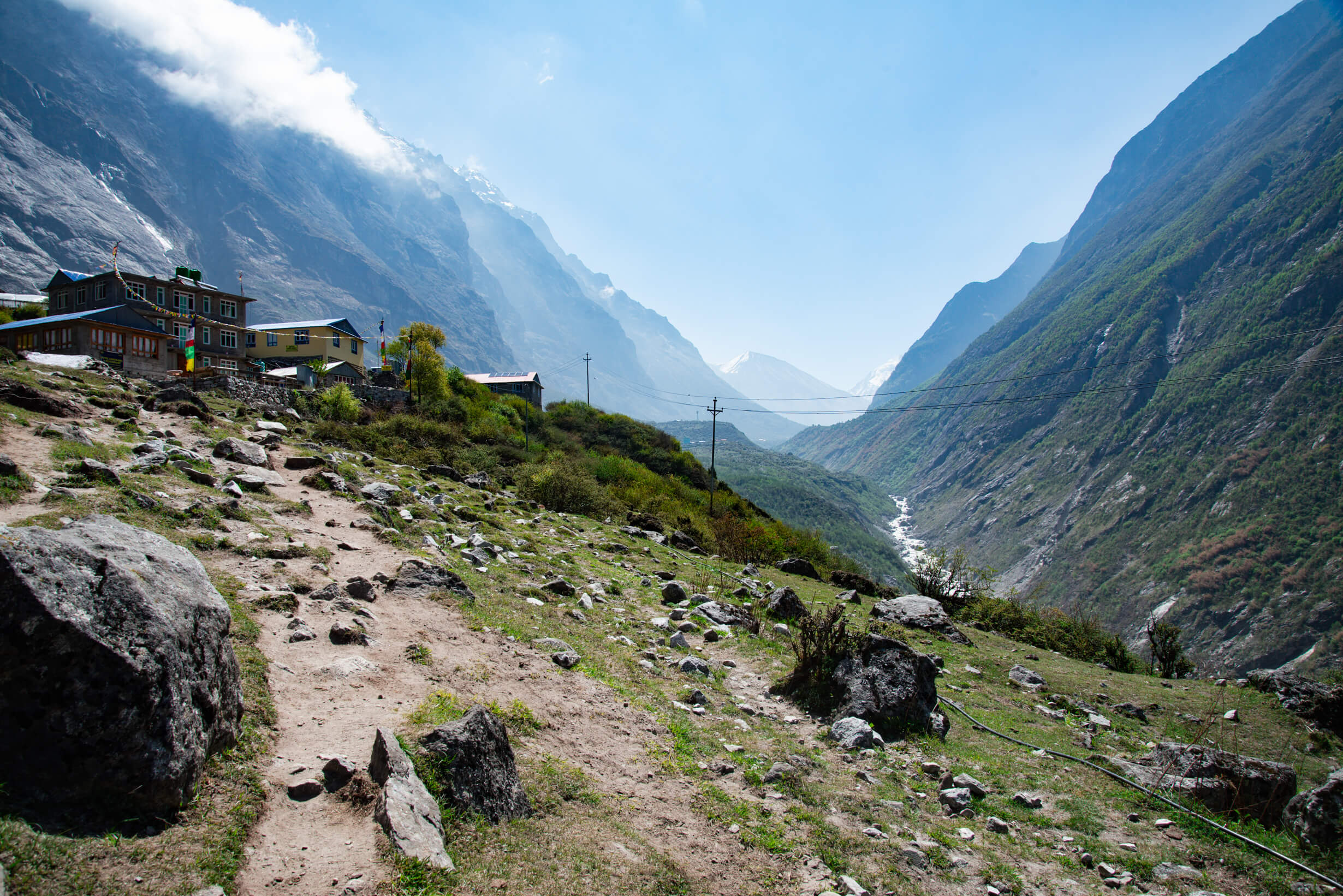
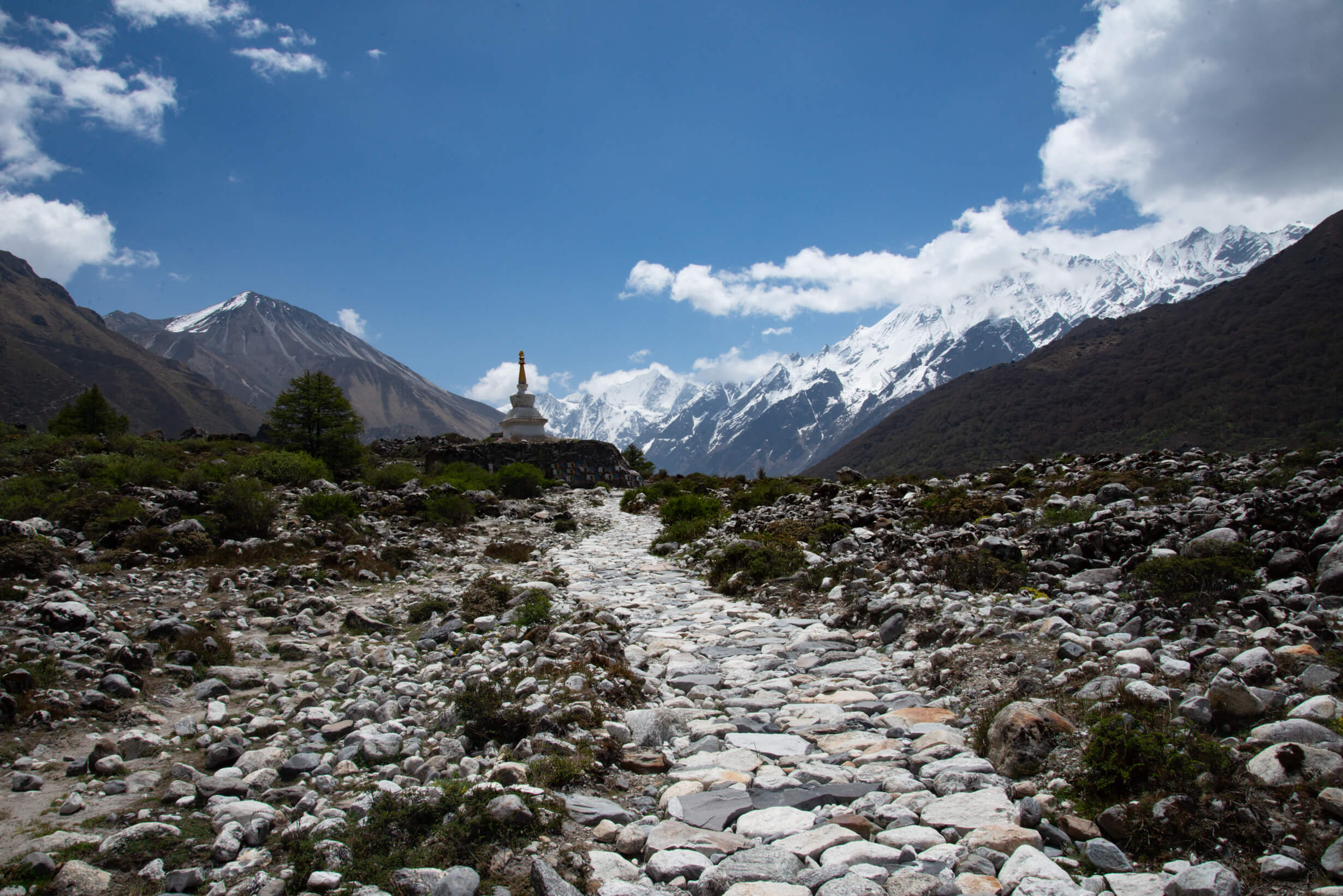
We didn't start from Syaphru Besi as usual, but instead took a jeep up a good way – this allowed us to avoid a long climb and from there hike a leisurely hour and a half to Sherpagaon. Along the way, we passed a small convoy that made me smile: brand-new, gleaming electric cars, imported from China – on dusty, bumpy, potholed roads that you could hardly call roads. I'd never wondered how new cars actually get to Nepal. Now I know. Bumpy and brave.
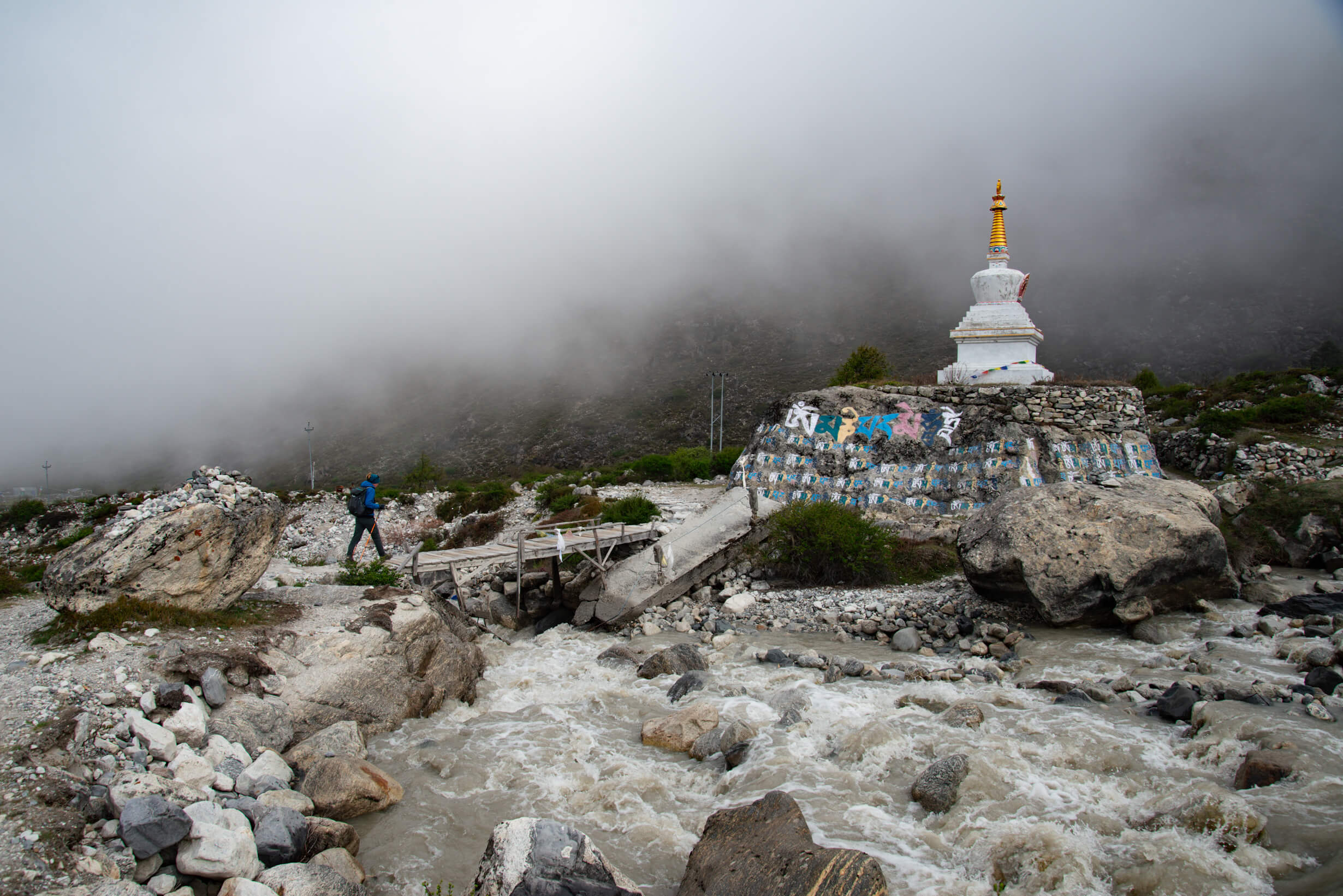
We spent a comfortable night in Sherpagaon and set off early the next morning before the heat set in. Lunch at the Riverside, then on to Thangsyap. During the climb from the Riverside, I briefly thought I was going to die. I simply hadn't had much time for training before the trip. But as soon as we reached a level section, the trail became effortless, and it was beautiful.
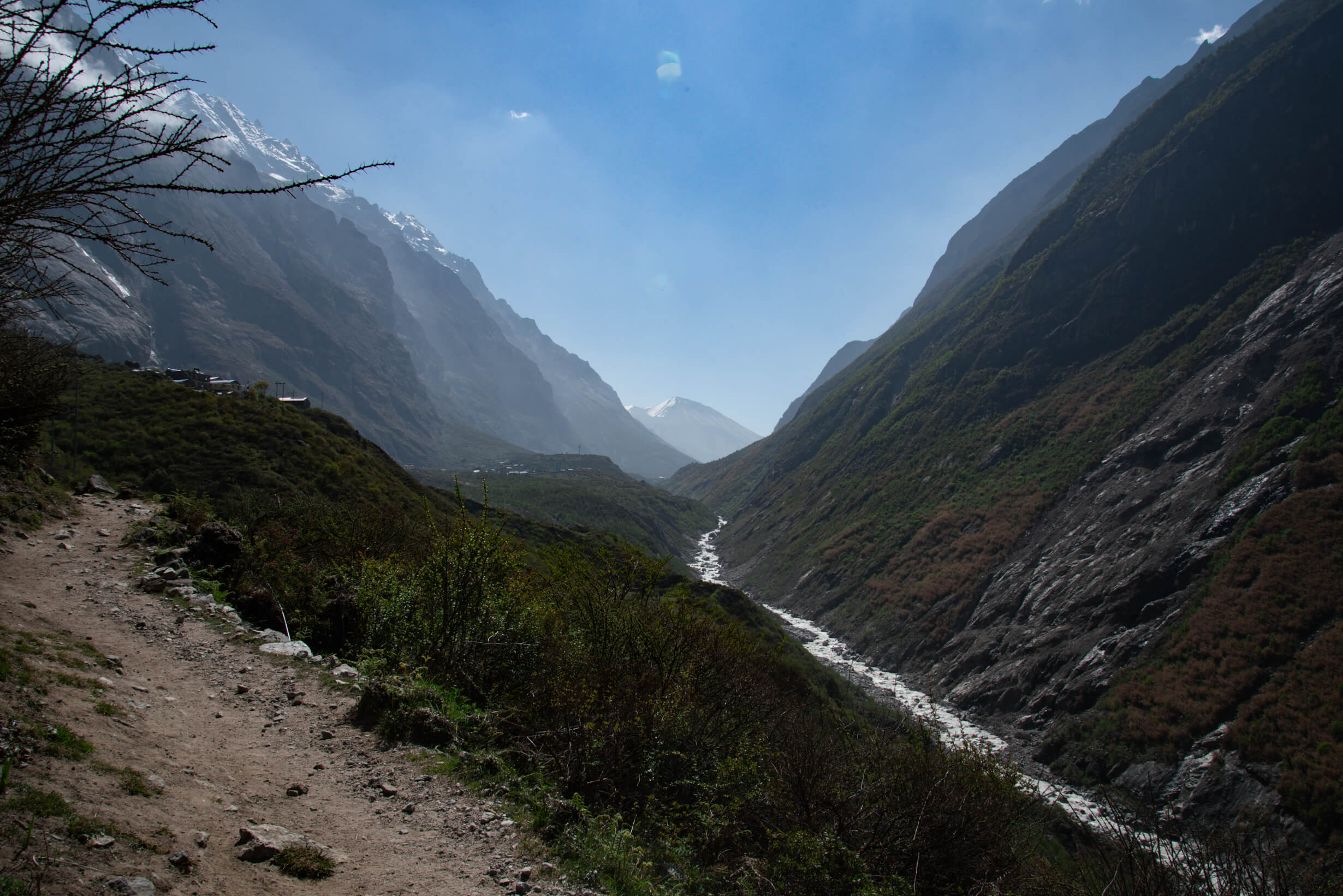
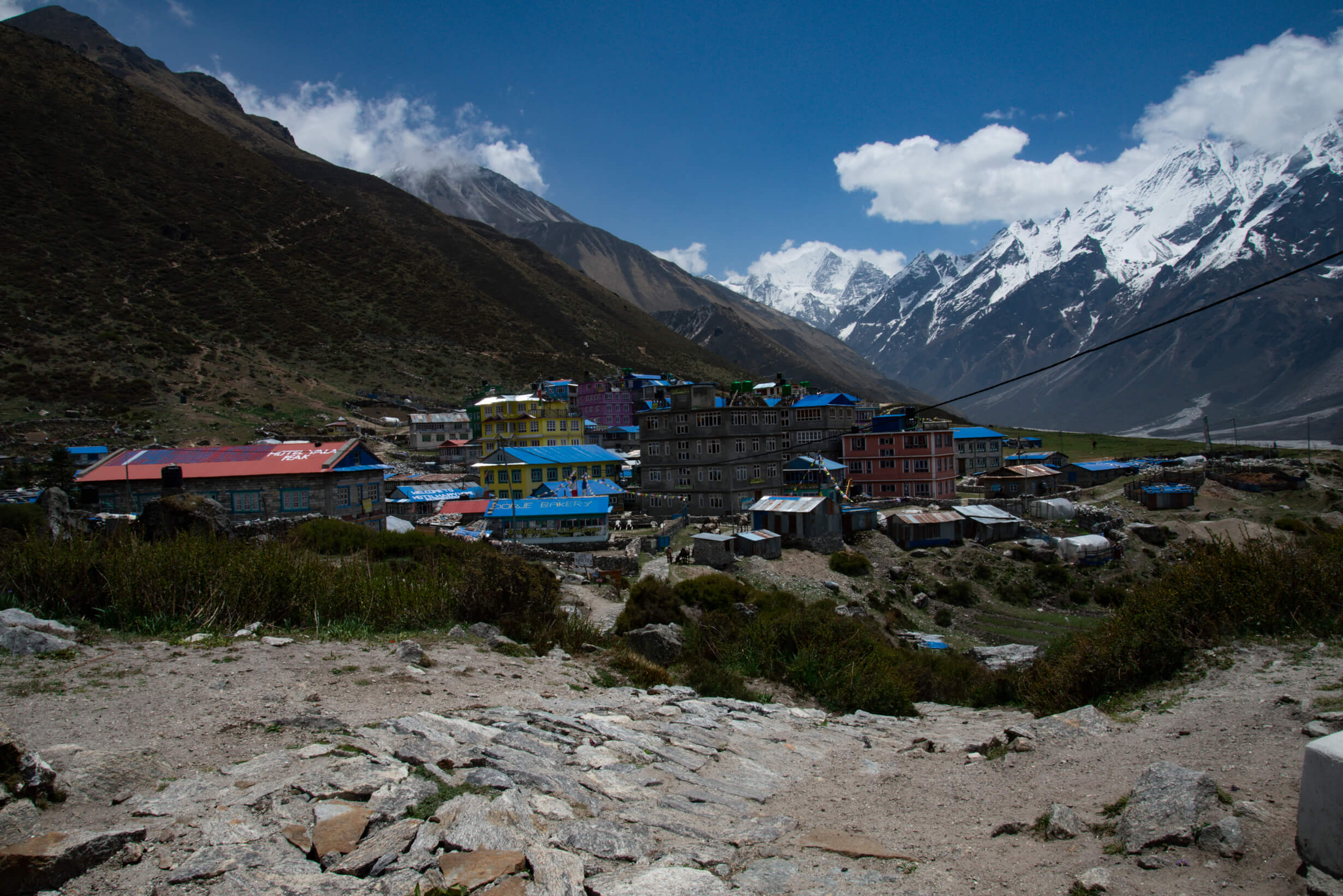
The next day, we hiked a little further than Langtang. The rock face that collapsed in the 2015 earthquake is still impressively visible today – the old village is still buried under the rubble. I had to pause for a moment. The new village is well-built, earthquake-proof, and colorful – but I honestly miss the charm of the old stone houses.
The hotel that evening, however, was a real surprise: a hot shower, comfortable beds. An absolute blessing at 3,500 meters.
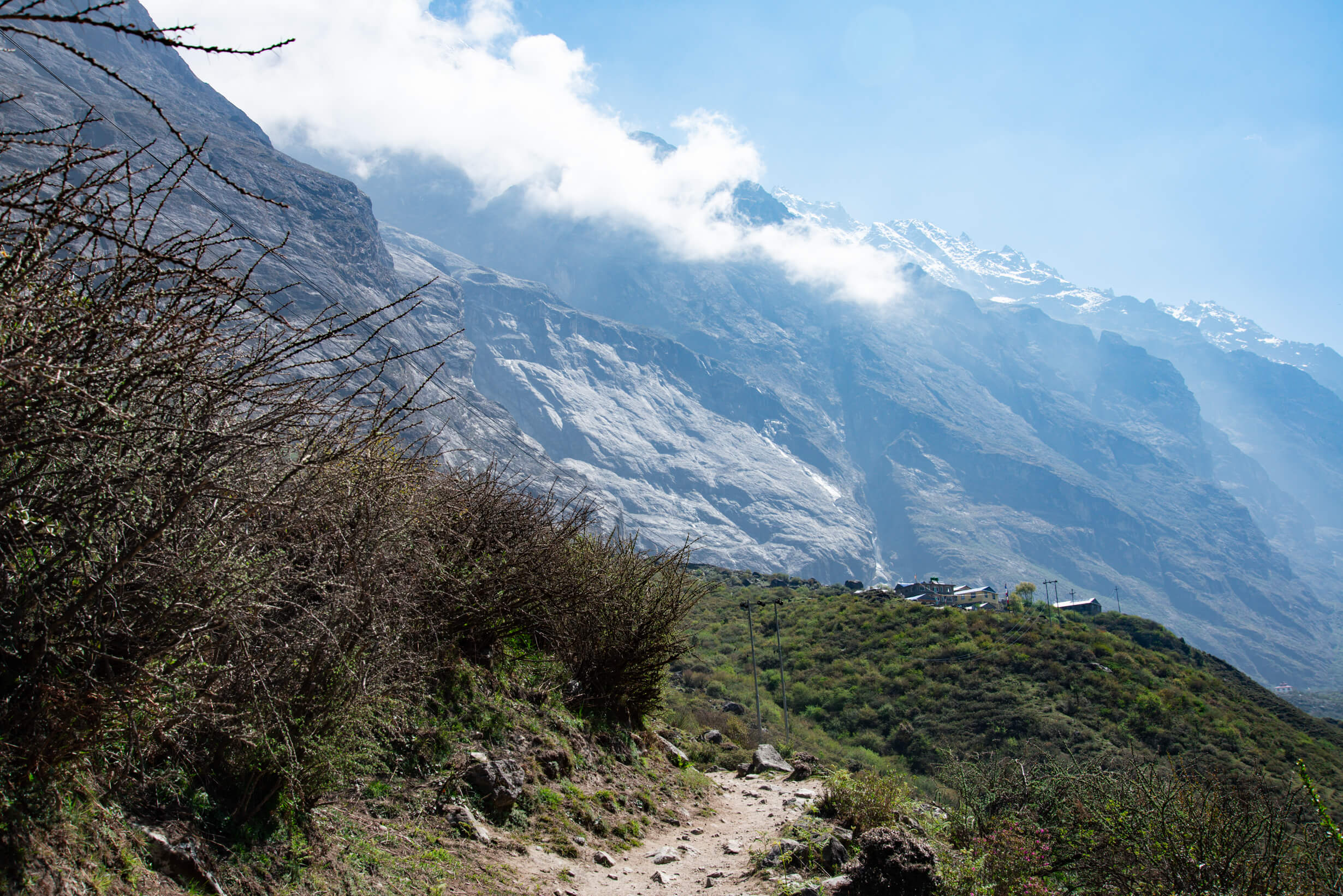
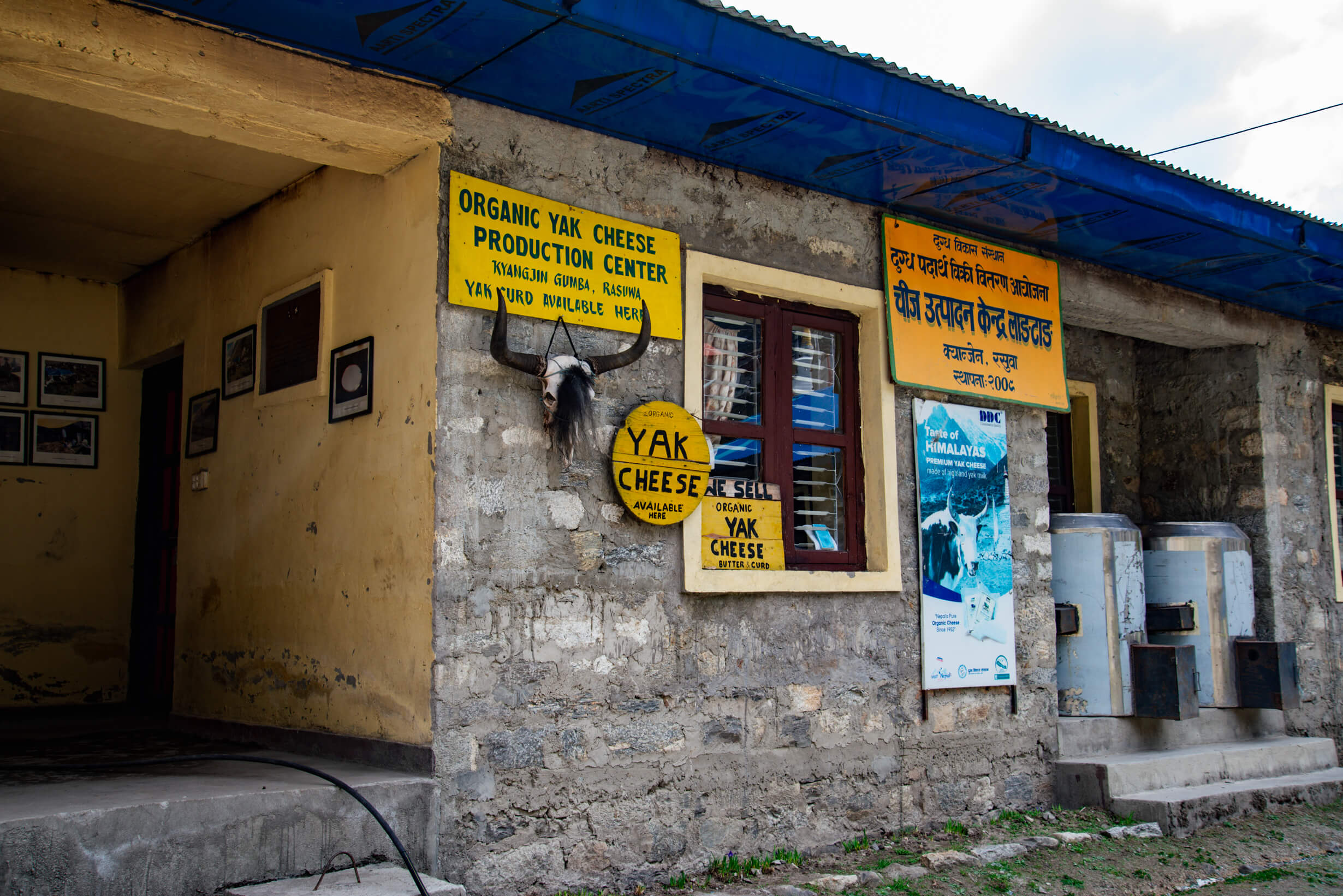
The final climb to Kyangjin Kharka was a happy day: only 350 meters of elevation gain, no steep ascent, no endless stone steps. Once at the top, we visited the monastery, which sits majestically above the village, and paid a visit to the local cheese factory – yak cheese, similar to Parmesan, wonderful.
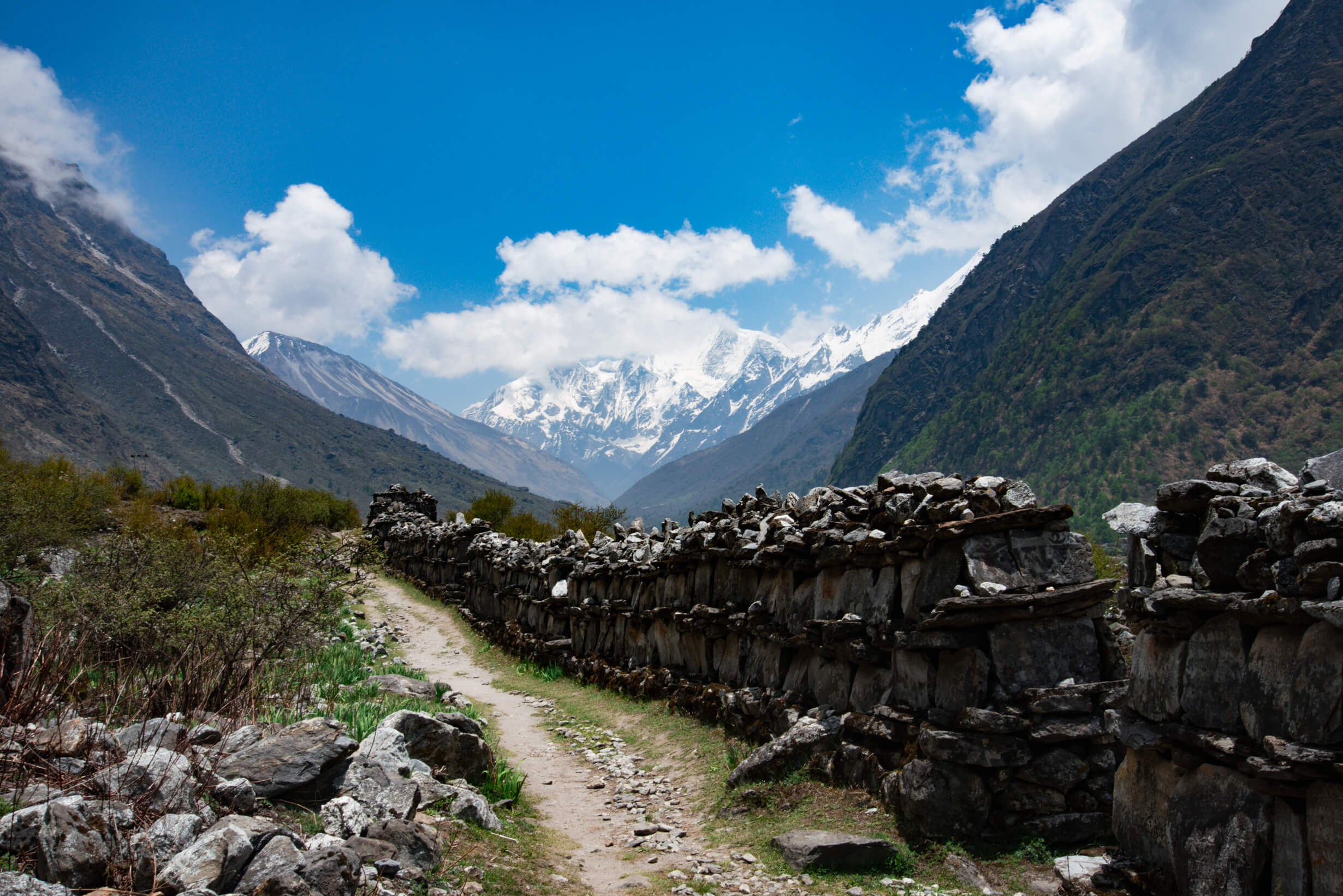
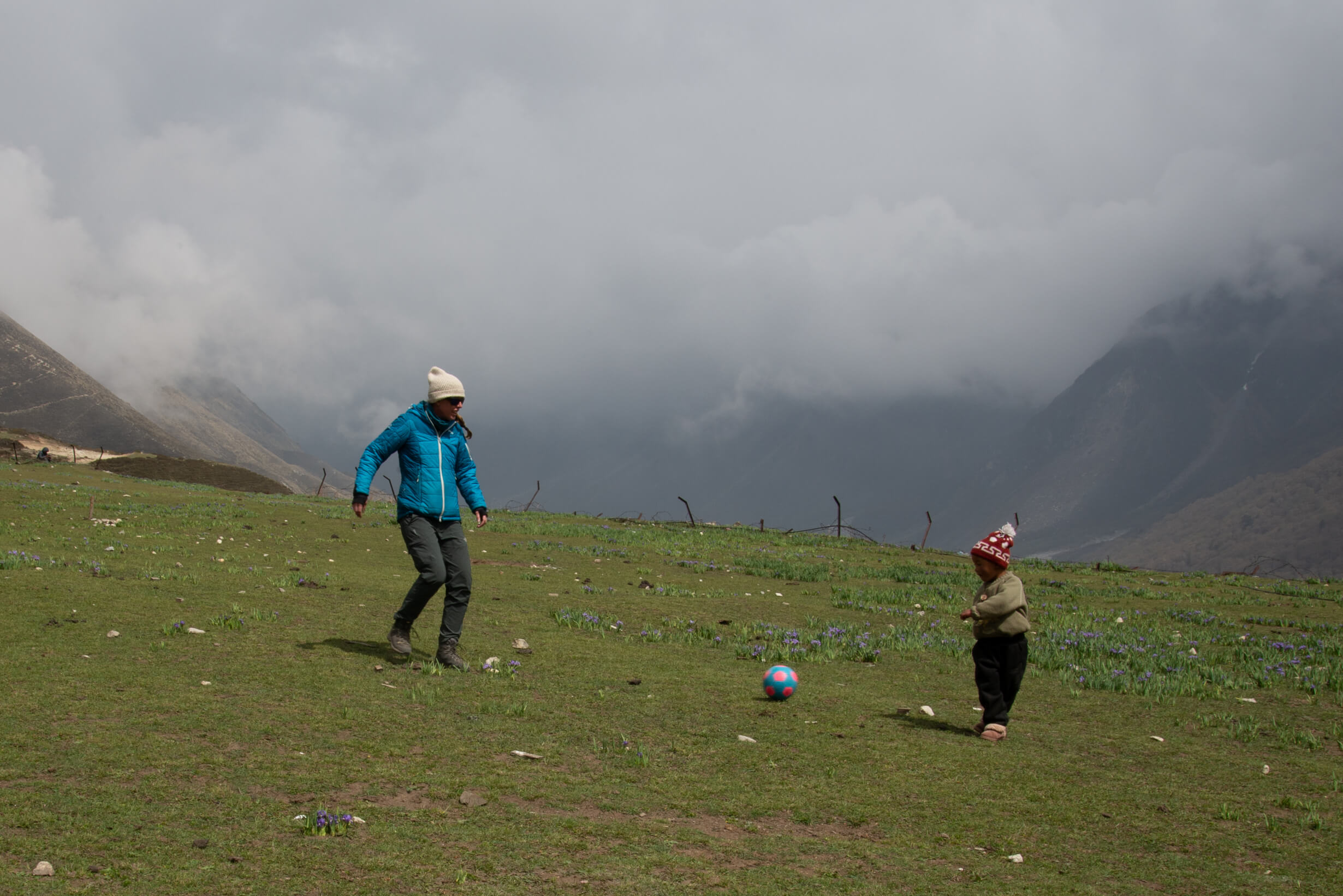
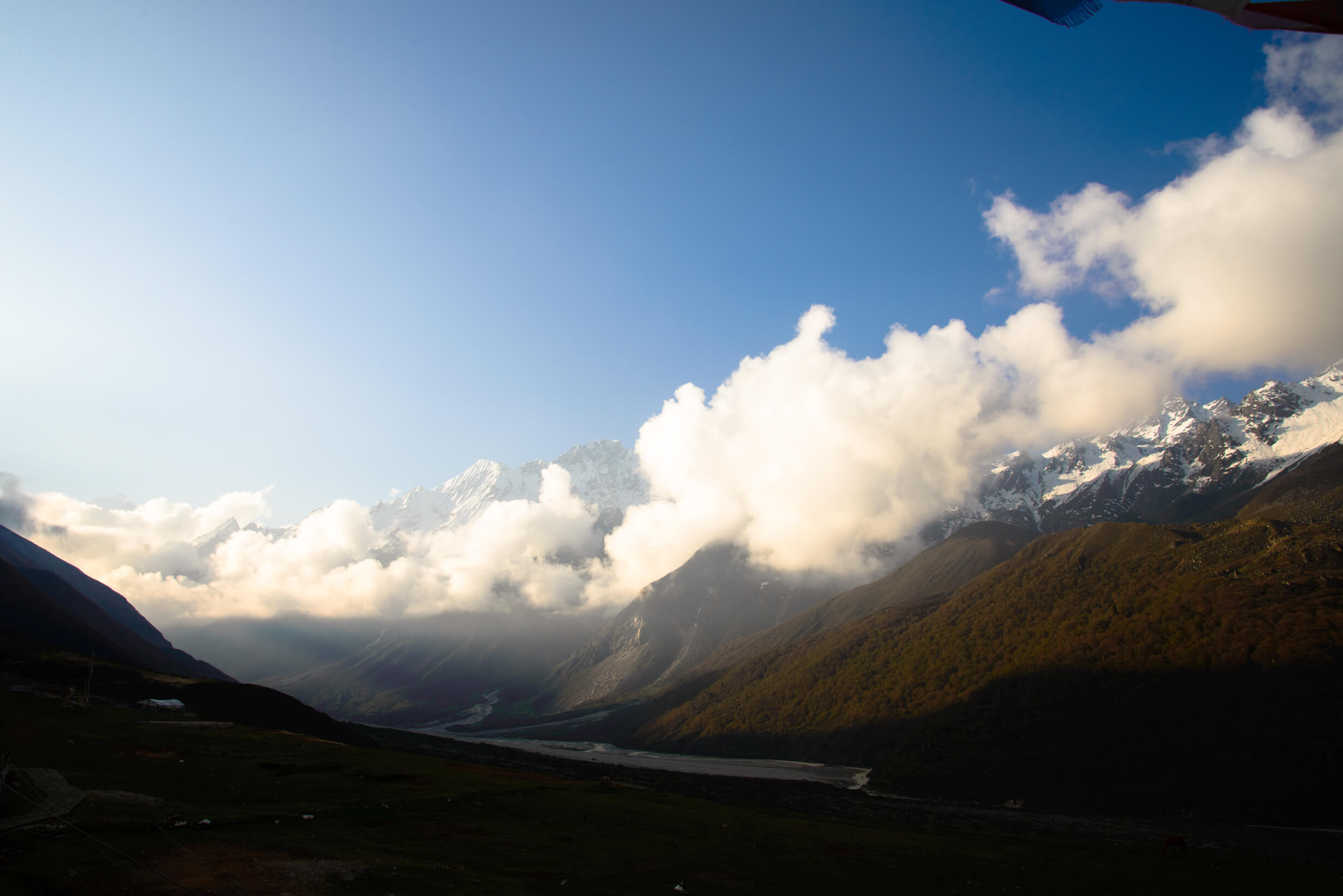
We got up at 5 a.m. hoping for a sunrise – and then the disappointment: everything was shrouded in mist. We were only granted a brief, unobstructed view of Langtang. But that one moment was enough: standing at almost 4,000 meters with a white wall in front of us, another 3,200 meters higher. Simply breathtaking ♥.
Now it was downhill. I realized along the way: the further I hiked, the more time I'd have in Kathmandu – and the more relaxed the itinerary there would be. So we hiked straight through from Kyangjin Kharka to Bamboo. An American hiker told me it was 15 miles and over 2,000 meters of descent. It took 11 hours. But I made it. At some point, I slipped into a slow, meditative walk – I love that feeling. You stop thinking, you just walk. On the last day, another three hours and almost 500 meters of descent, then the jeep back to Kathmandu – rumbling, sleepless, happy.
I had sore muscles for four days afterwards, but I would have loved to keep walking for days longer.
For me, trekking is truly meditation, detox, and pure bliss all in one.


The last days in Kathmandu
Back in the city: a long, hot shower. Then to Electric Pagoda, my favorite restaurant in Kathmandu – just sitting, listening to good music, no Nepalese food, writing in my journal, and eventually going to bed. Pure bliss.
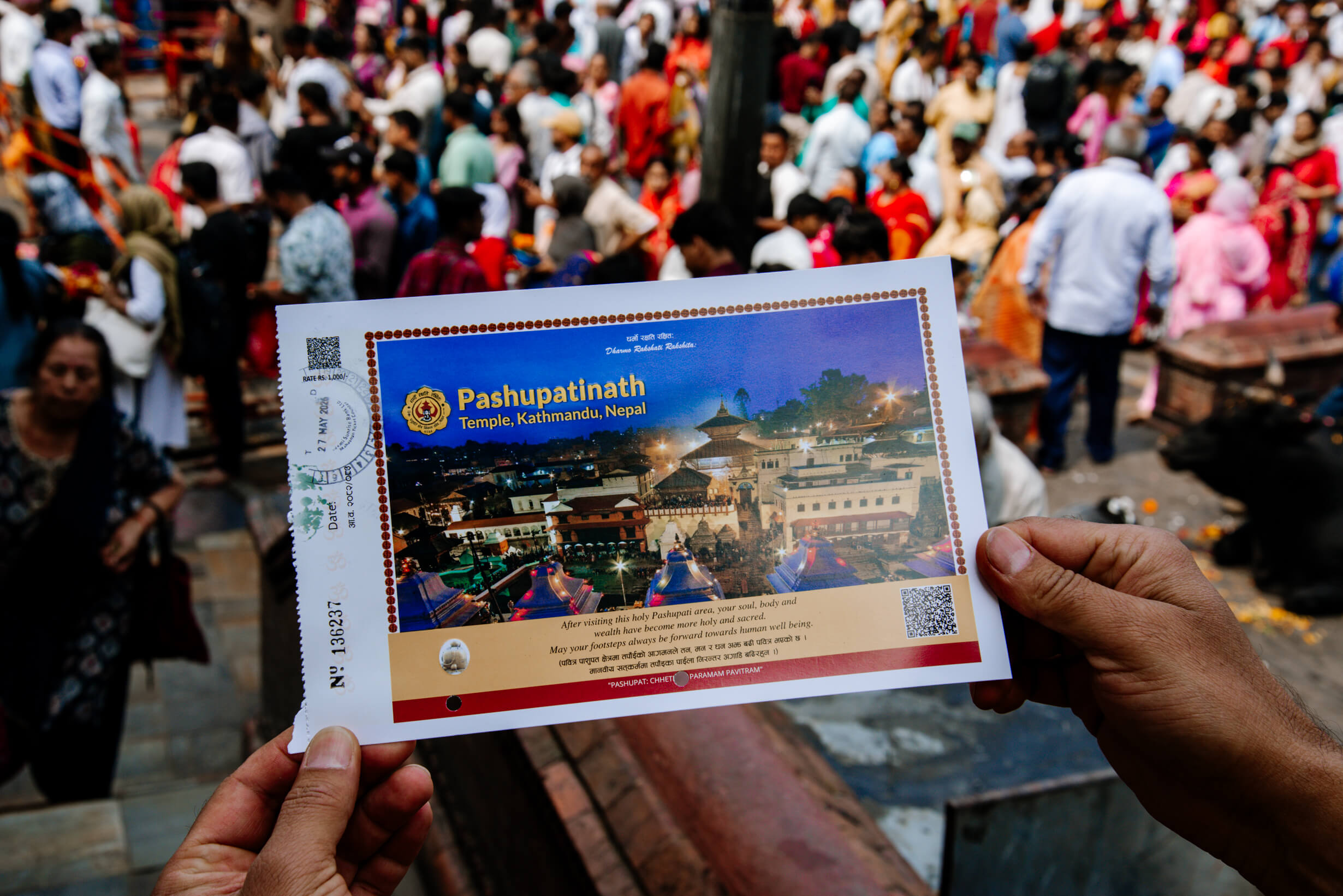
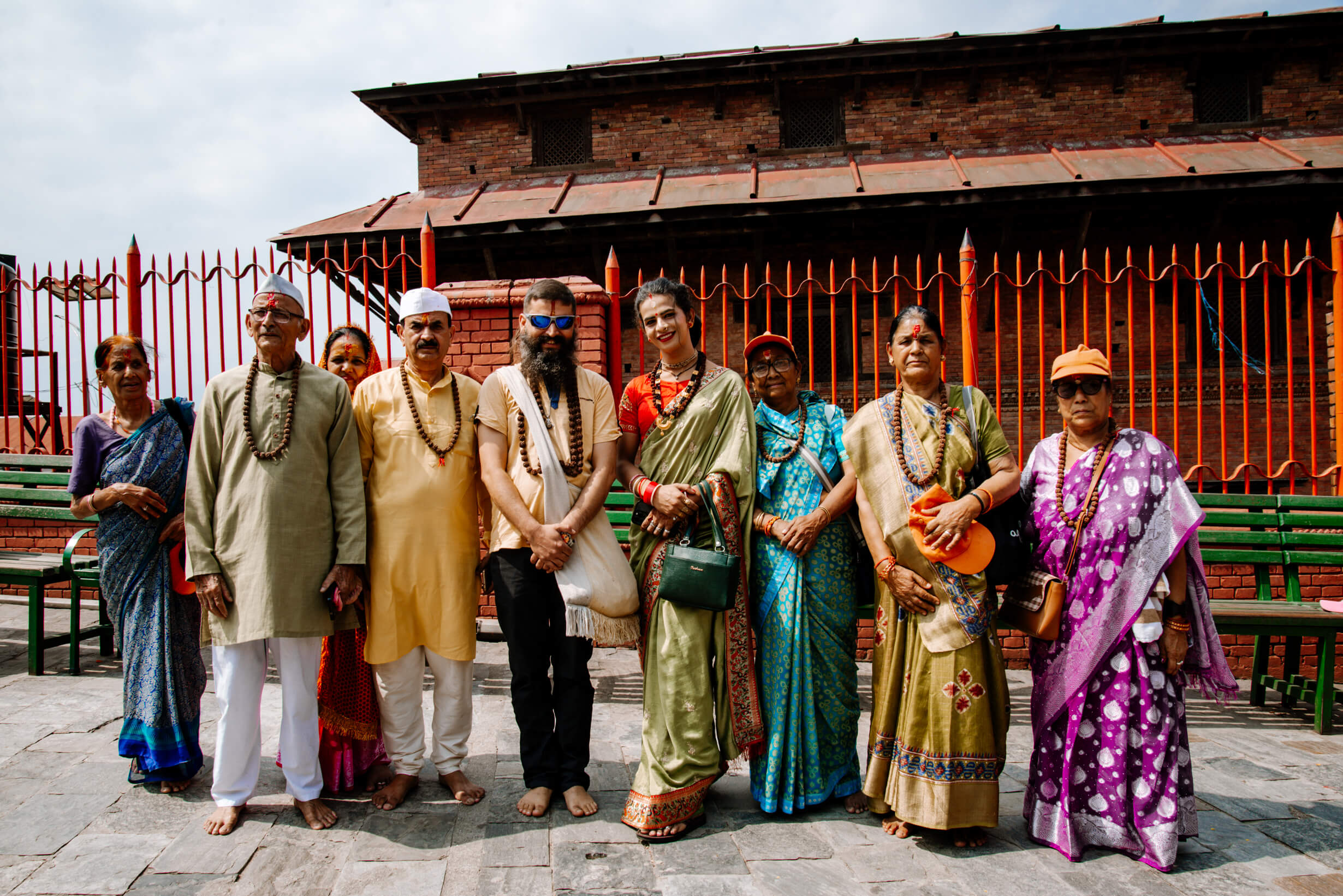
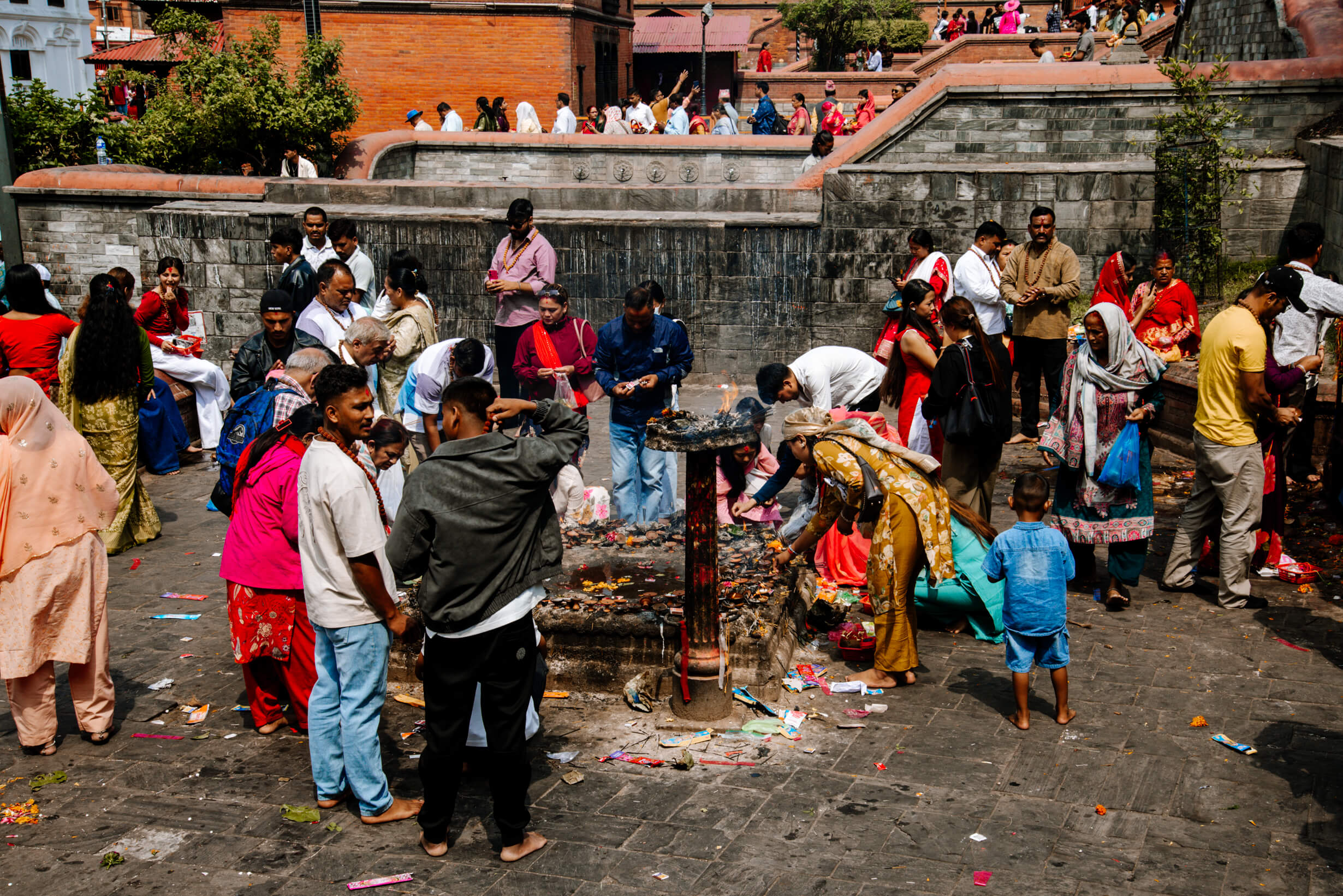
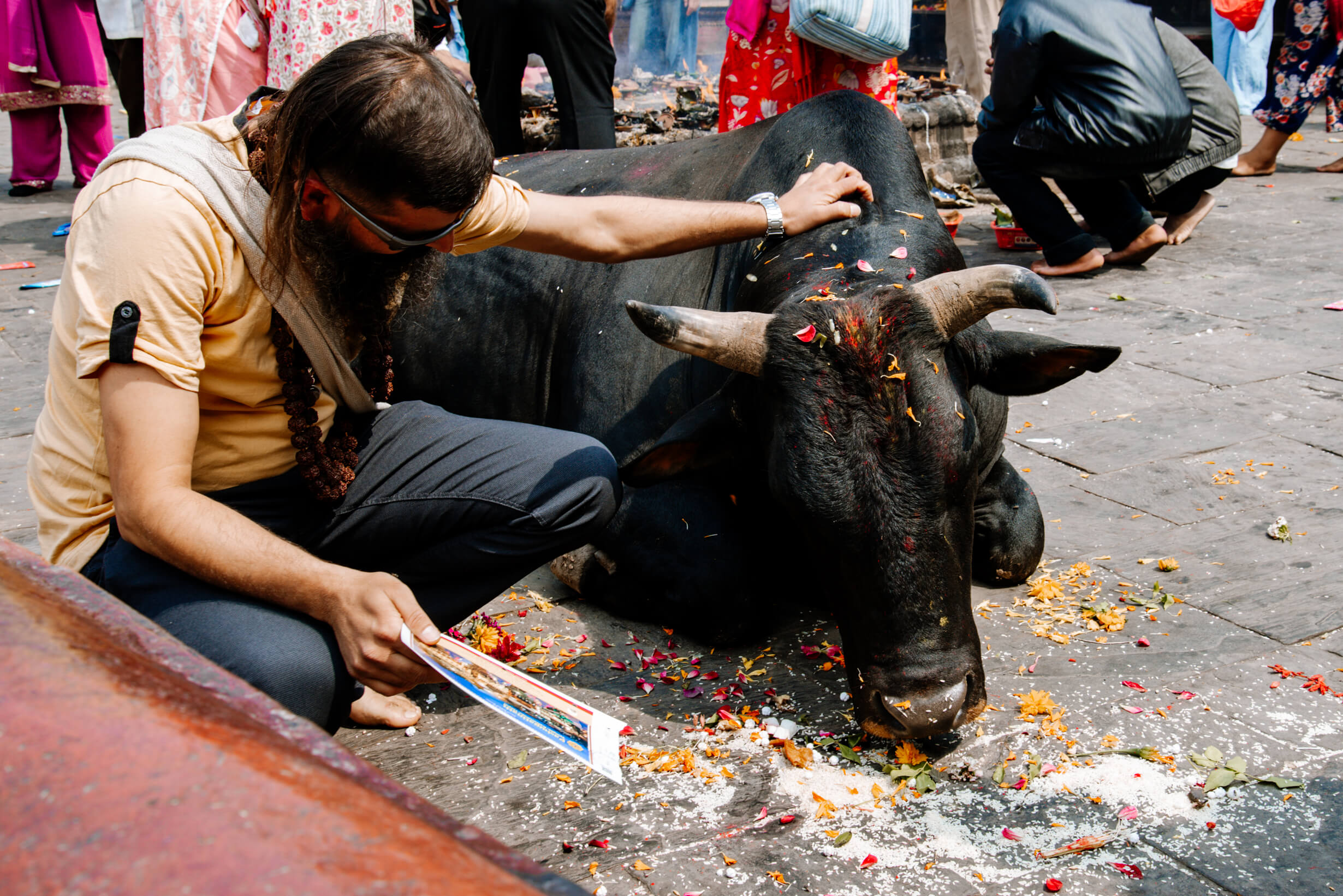
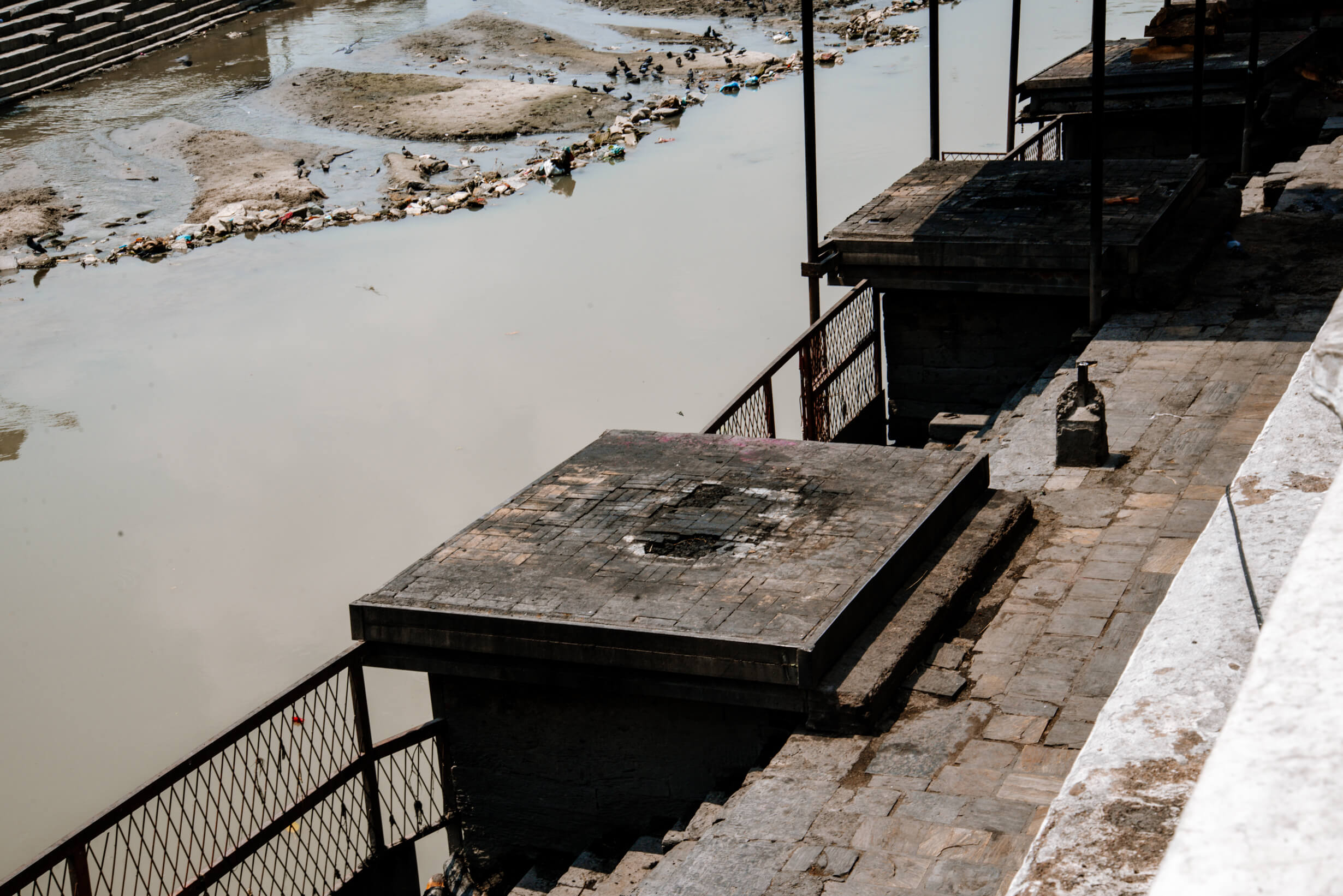
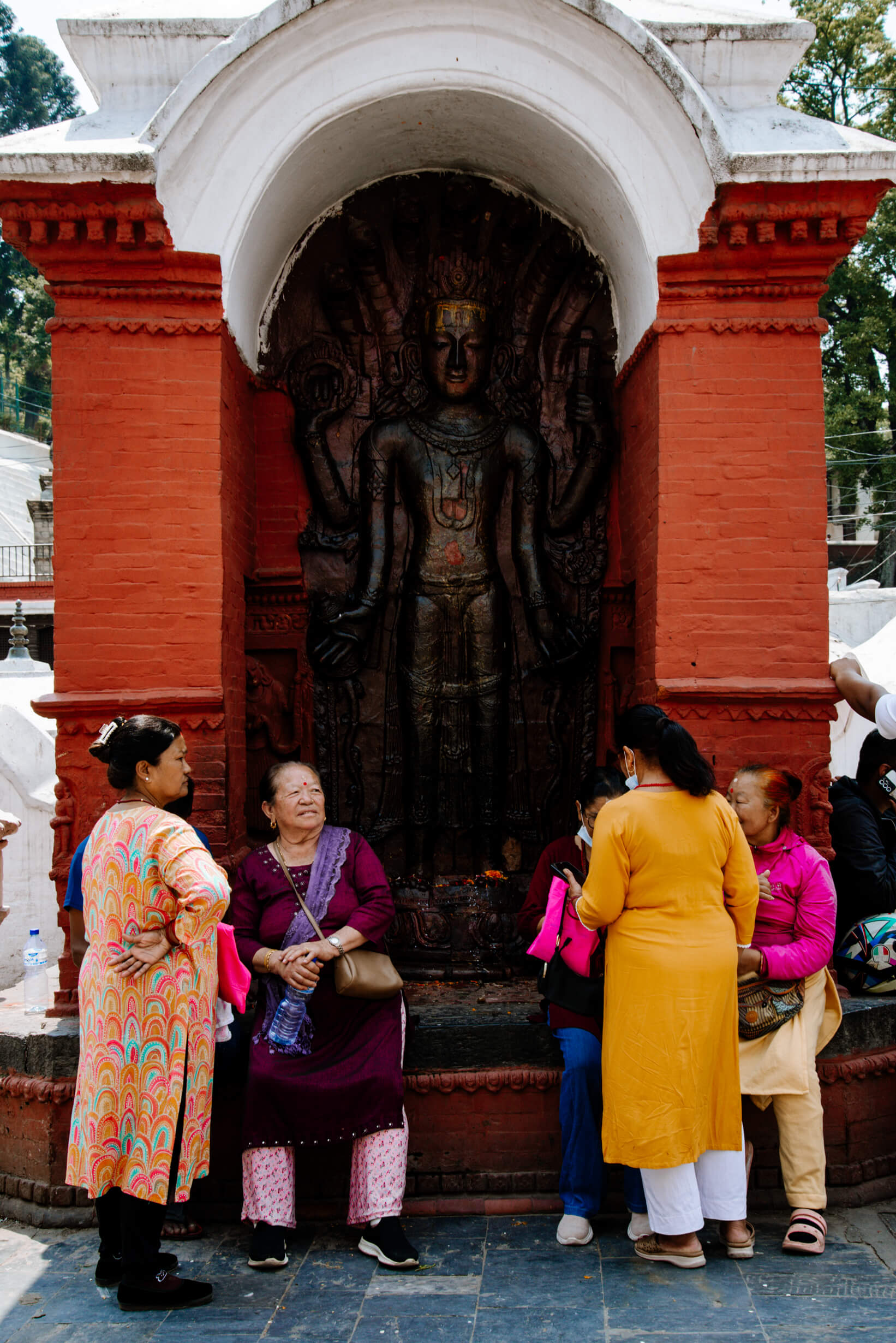
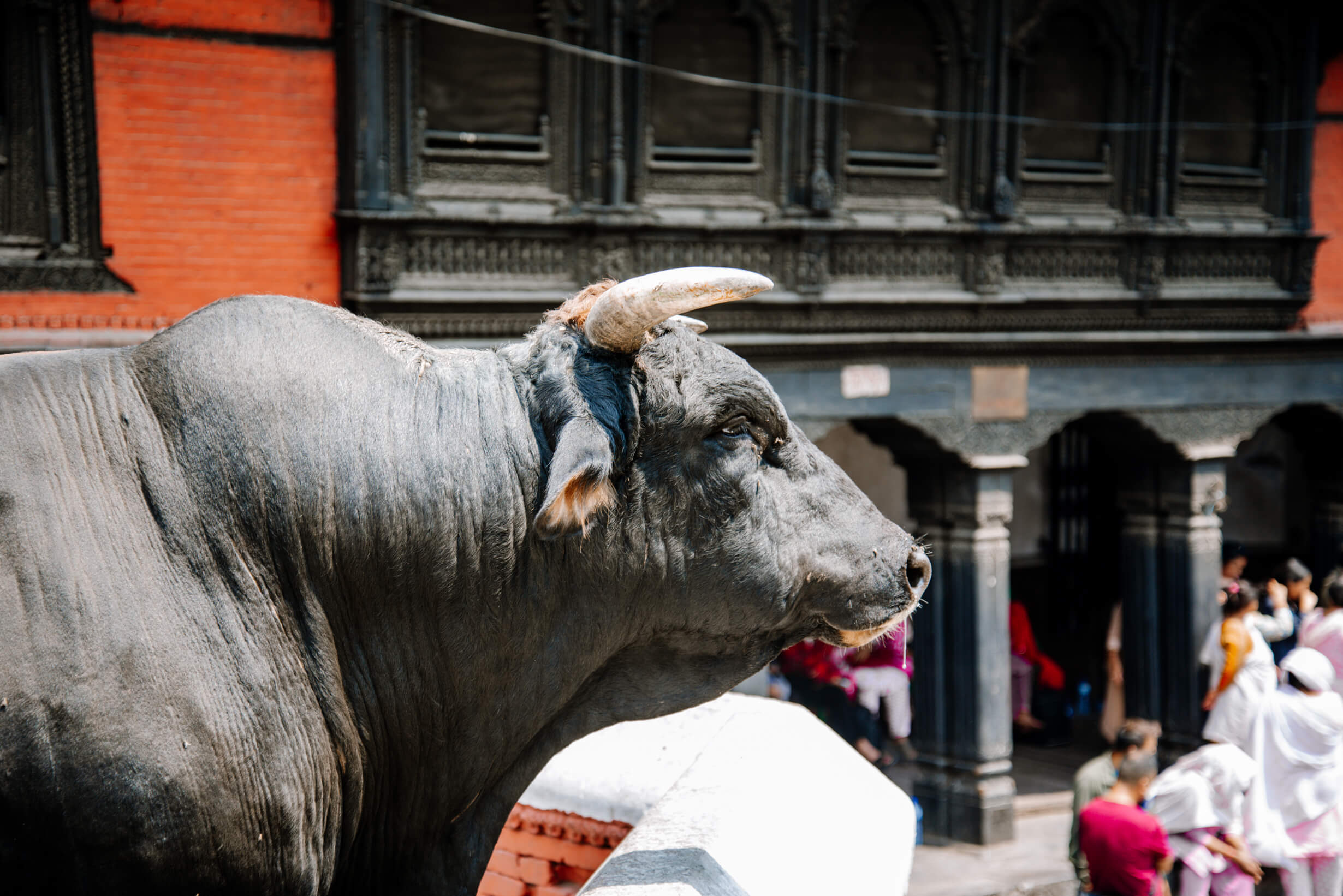
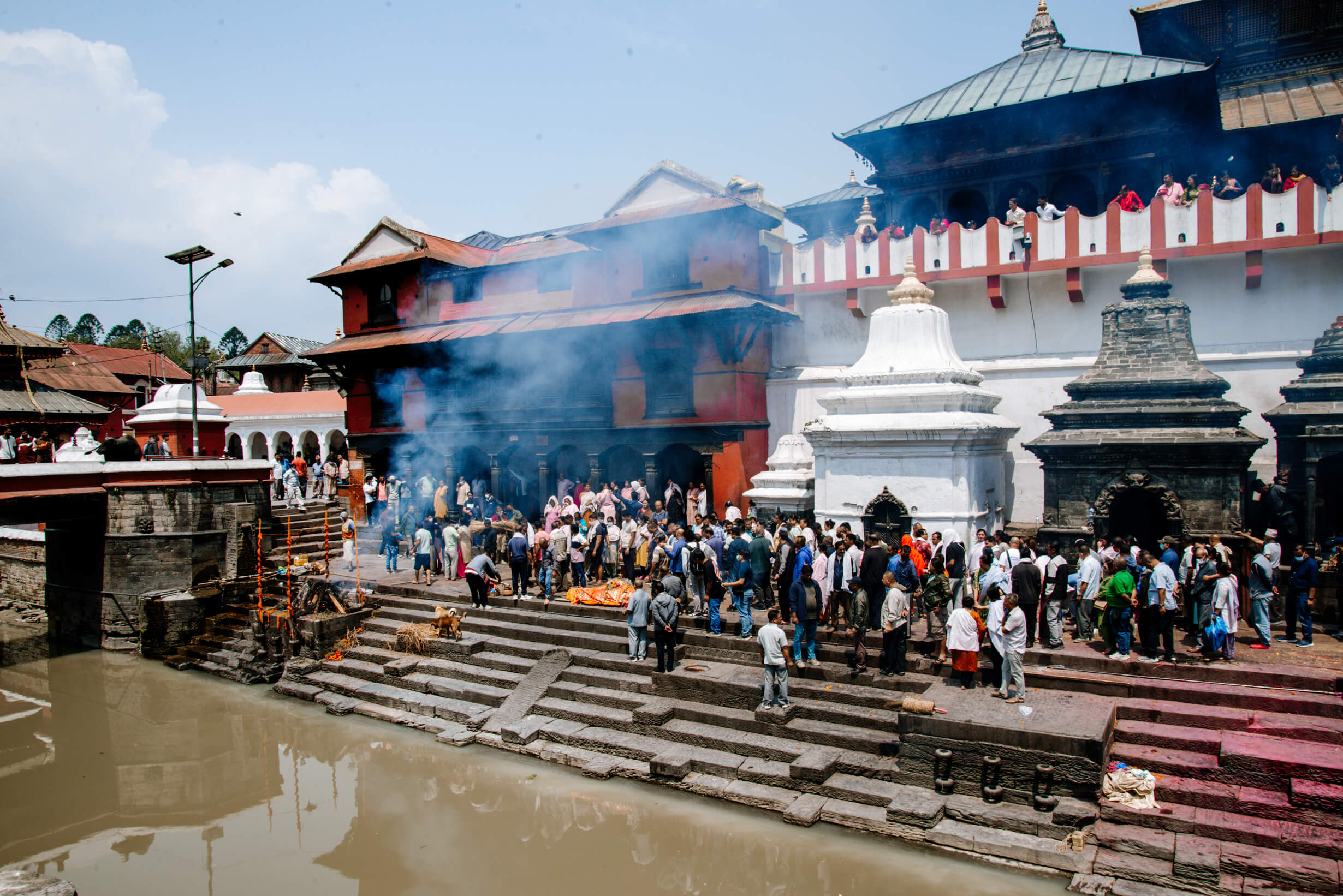
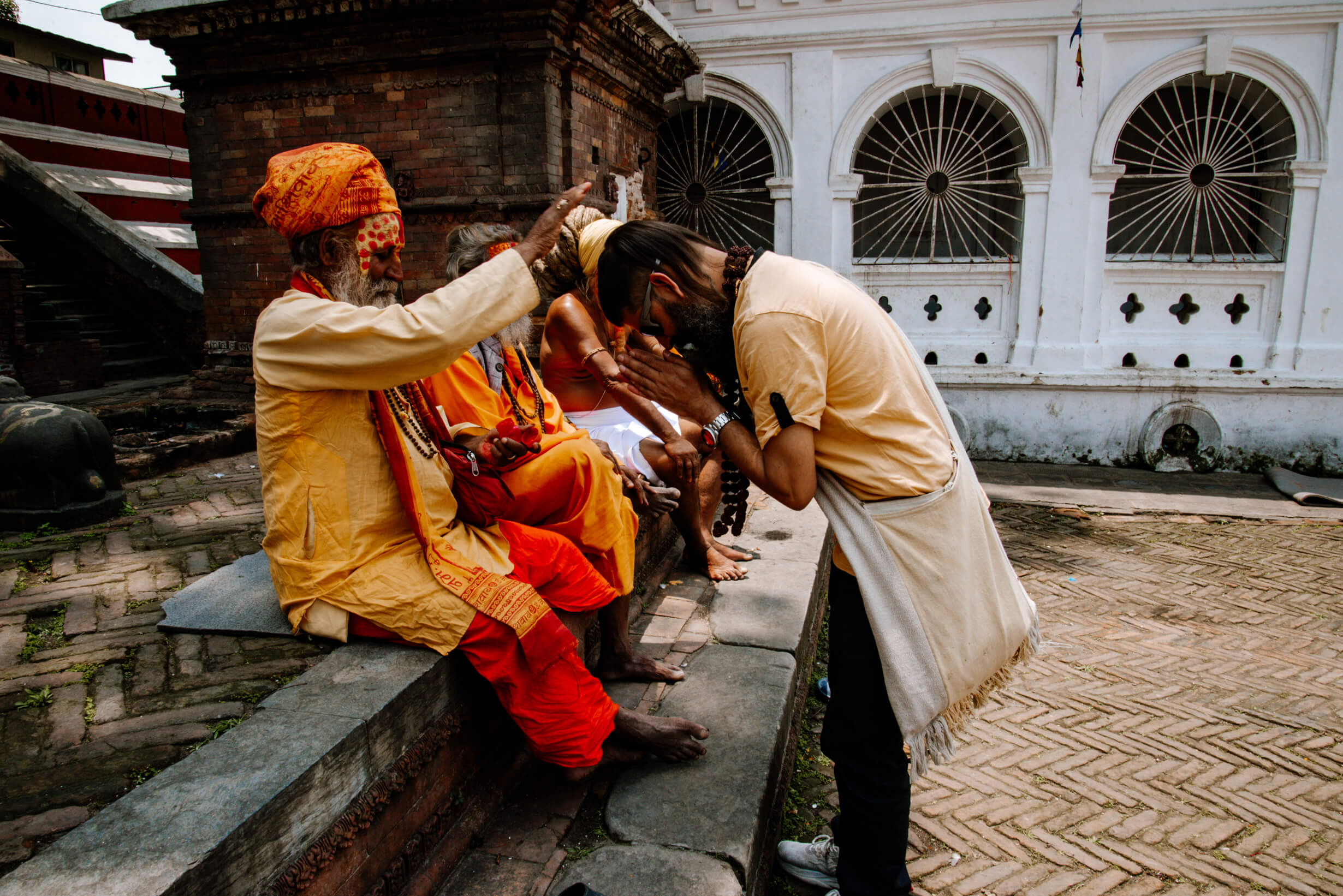
The next morning, I visited the Pashupatinath Temple – one of the most important Hindu temples in the world and a UNESCO World Heritage Site since 1979. The temple is located on the banks of the sacred Bagmati River and is dedicated to Shiva, the "Lord of all living things." While the inner temple precinct is not accessible to non-Hindus, the ghats along the river – where cremation ceremonies take place – and the surrounding atmosphere are a profoundly moving experience in themselves. It was bustling: Nepalis, pilgrims from all over India, and somehow always tourists queuing for group photos. I had to pose as a photo subject for numerous Indian visitors ;)
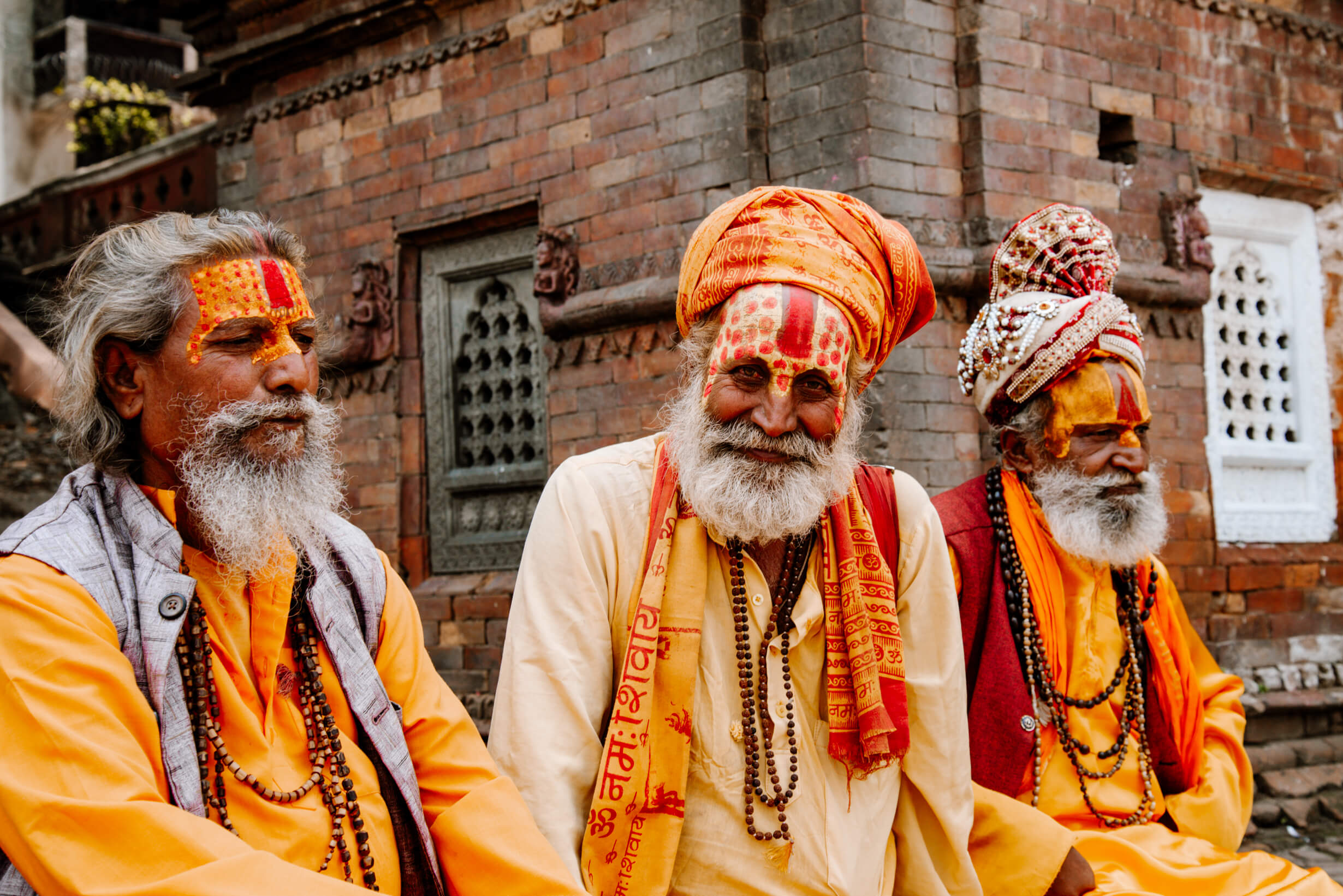
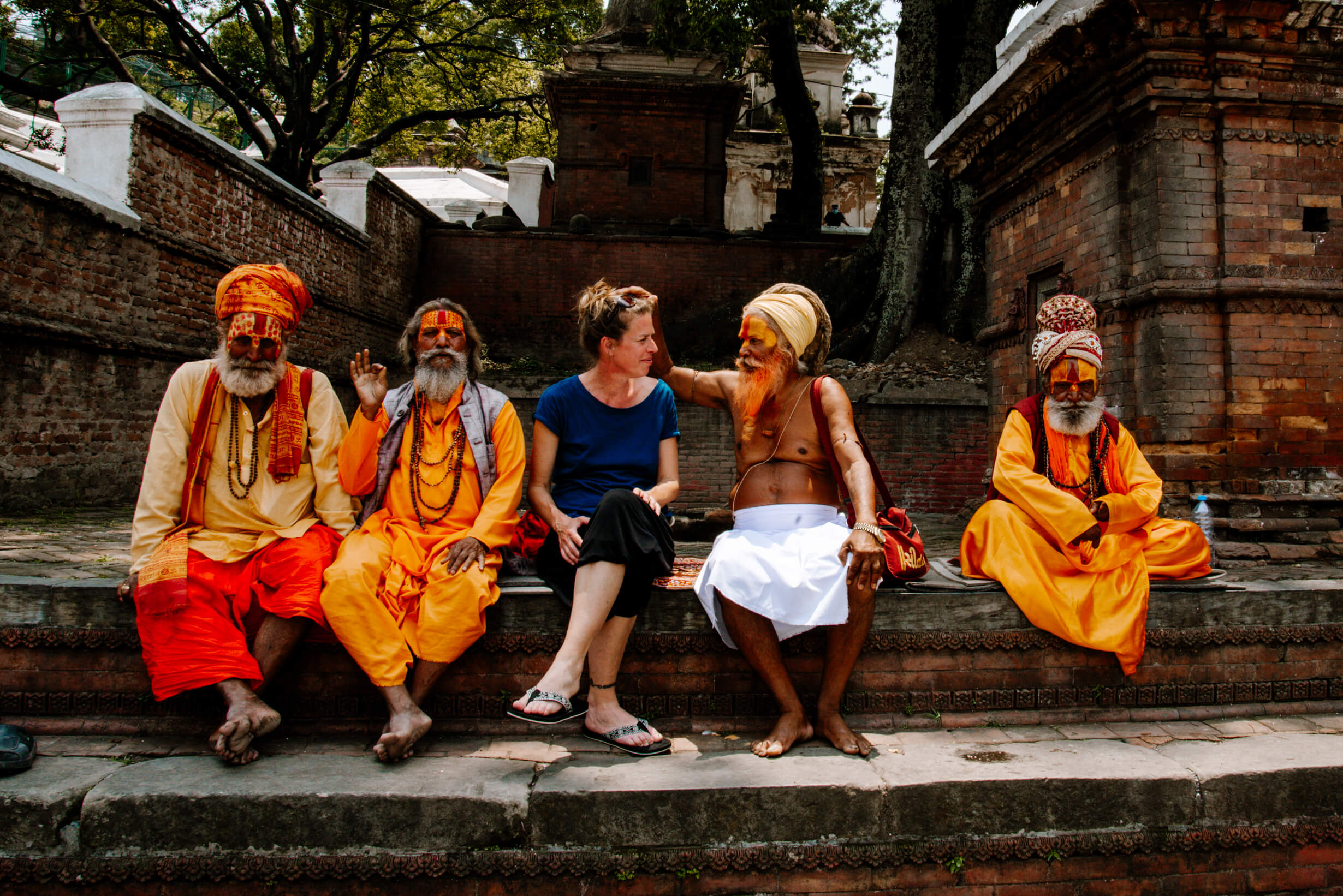
While watching the cremation ceremony, a few sadhus approached me. They had noticed my tattoo on my arm – कोसिश गरे सकिन्छ – “if we work on it, it will be possible.” This led to a relaxed, interesting conversation. A beautiful moment, a bit like being between two worlds.
I spent my last day with my Nepalese friends. Tea, good food, the inevitable feeling of saying goodbye. In the evening, we went out for pizza with Narayan's family – his son had requested it. To be honest, I was also quite glad not to have to eat dal bhat again.
At 5 a.m. to the airport, 20 hours later back home. Tired, happy, and with that familiar longing that Nepal always leaves me with when I depart.







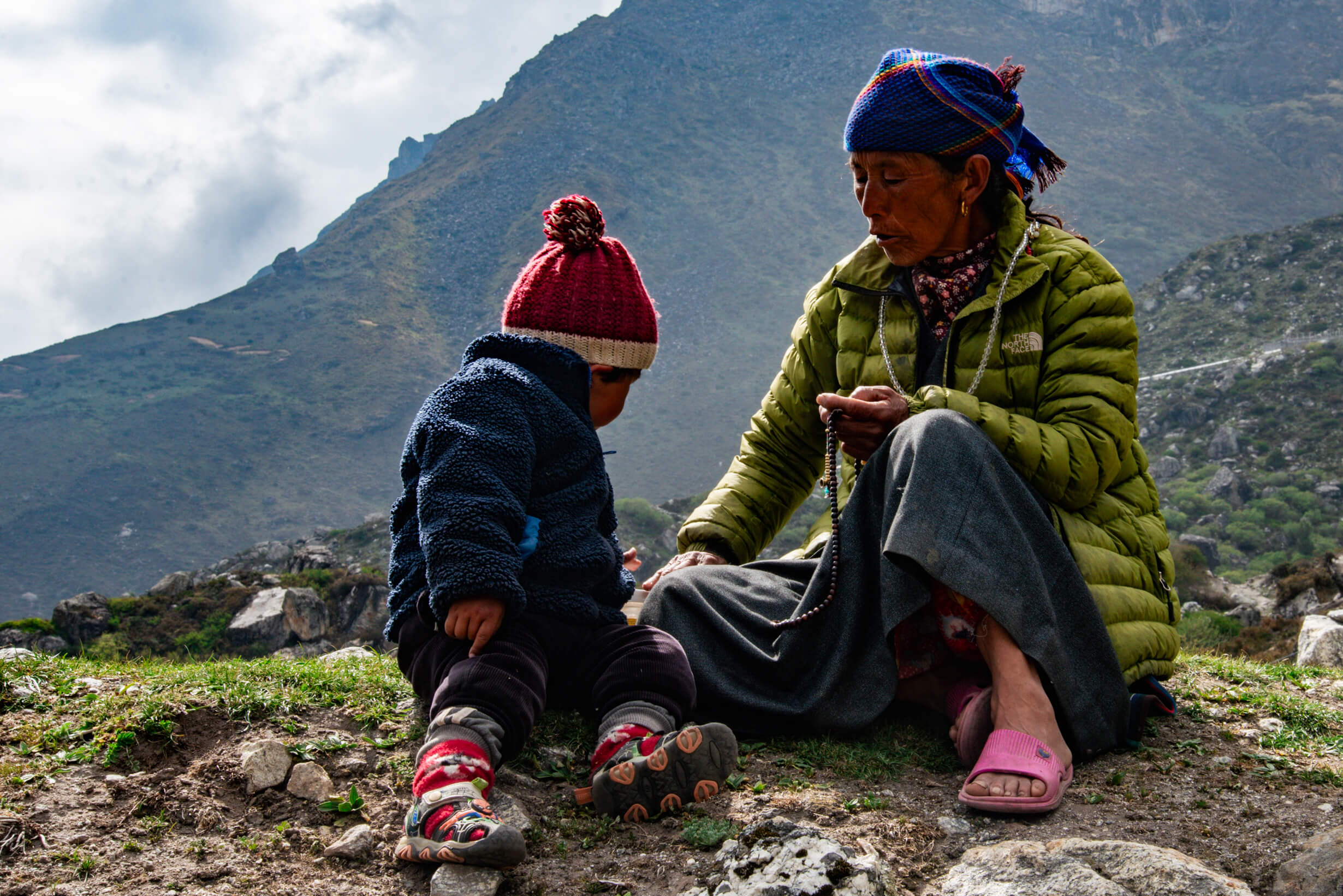

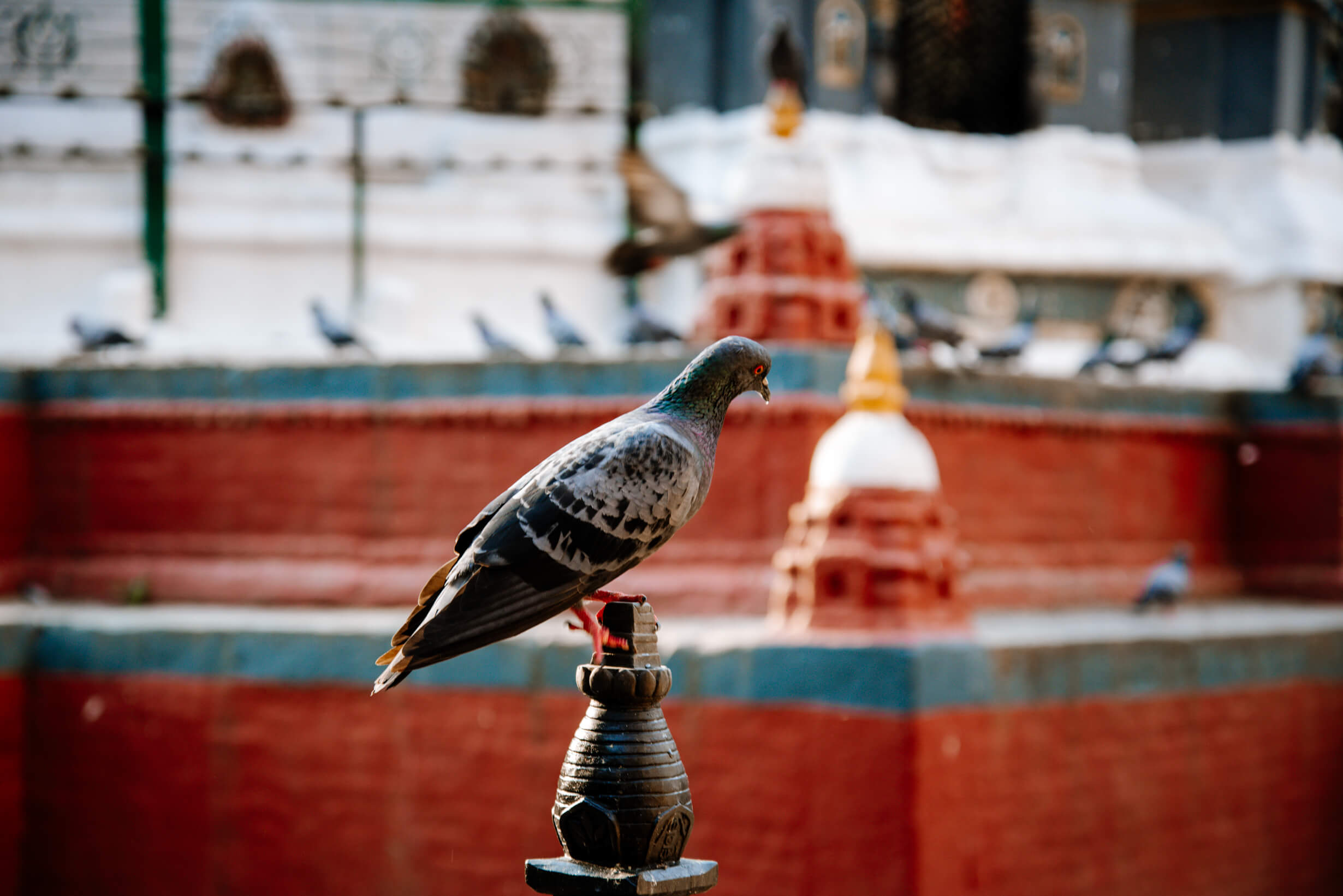
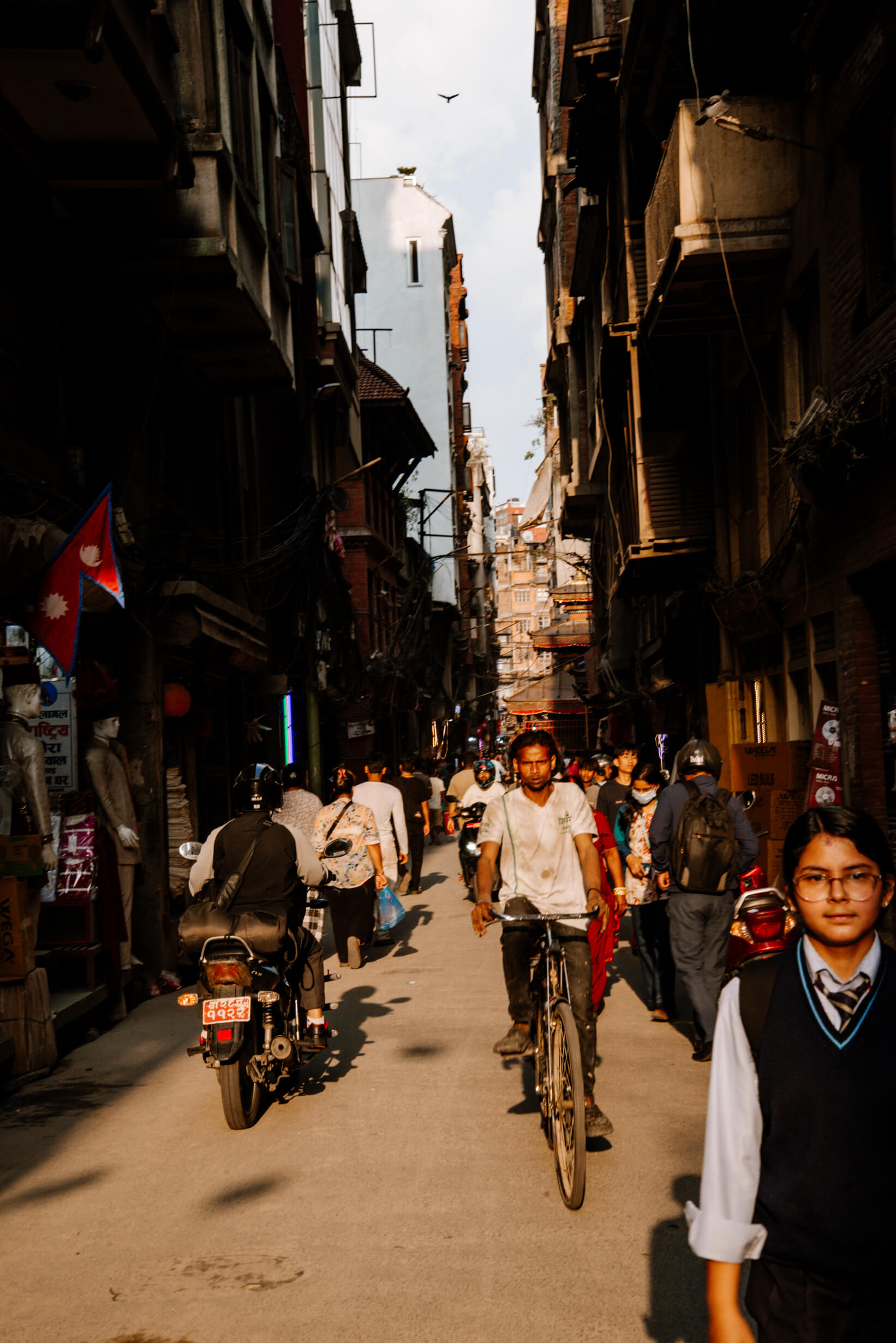
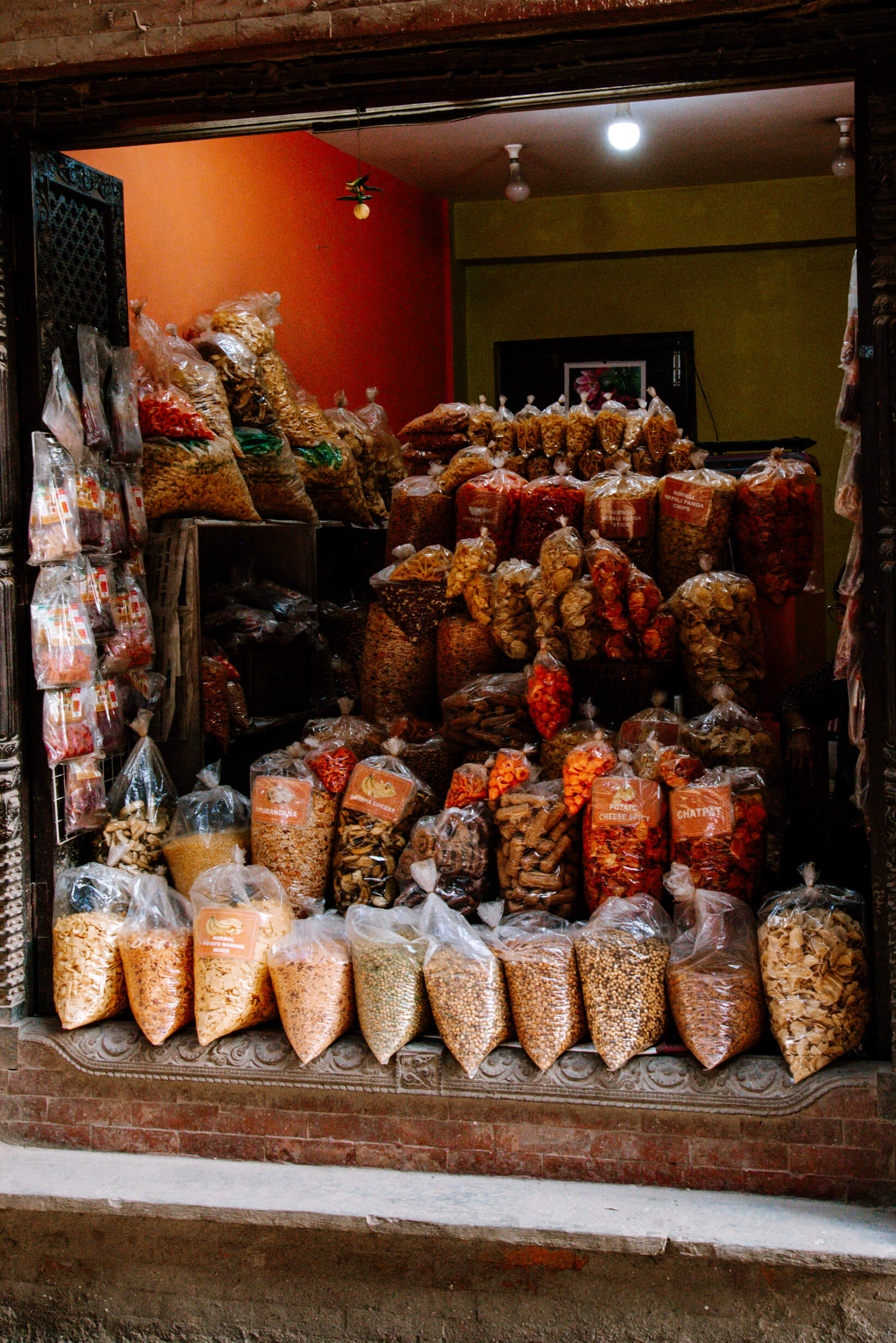
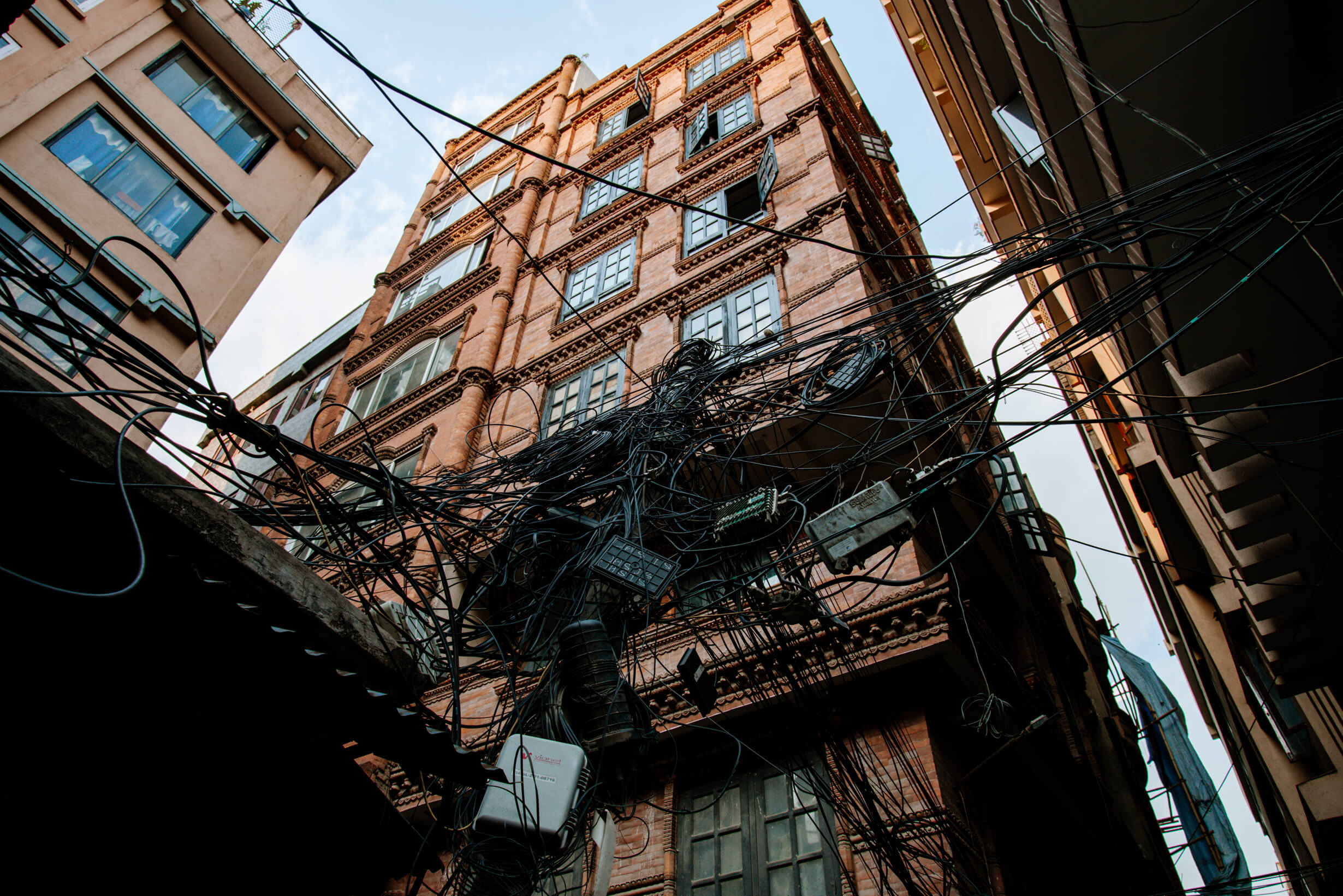
This trip was different from the last. No husband, no children, no shared attention – just me, the projects, and the mountains. And that's exactly what I needed.
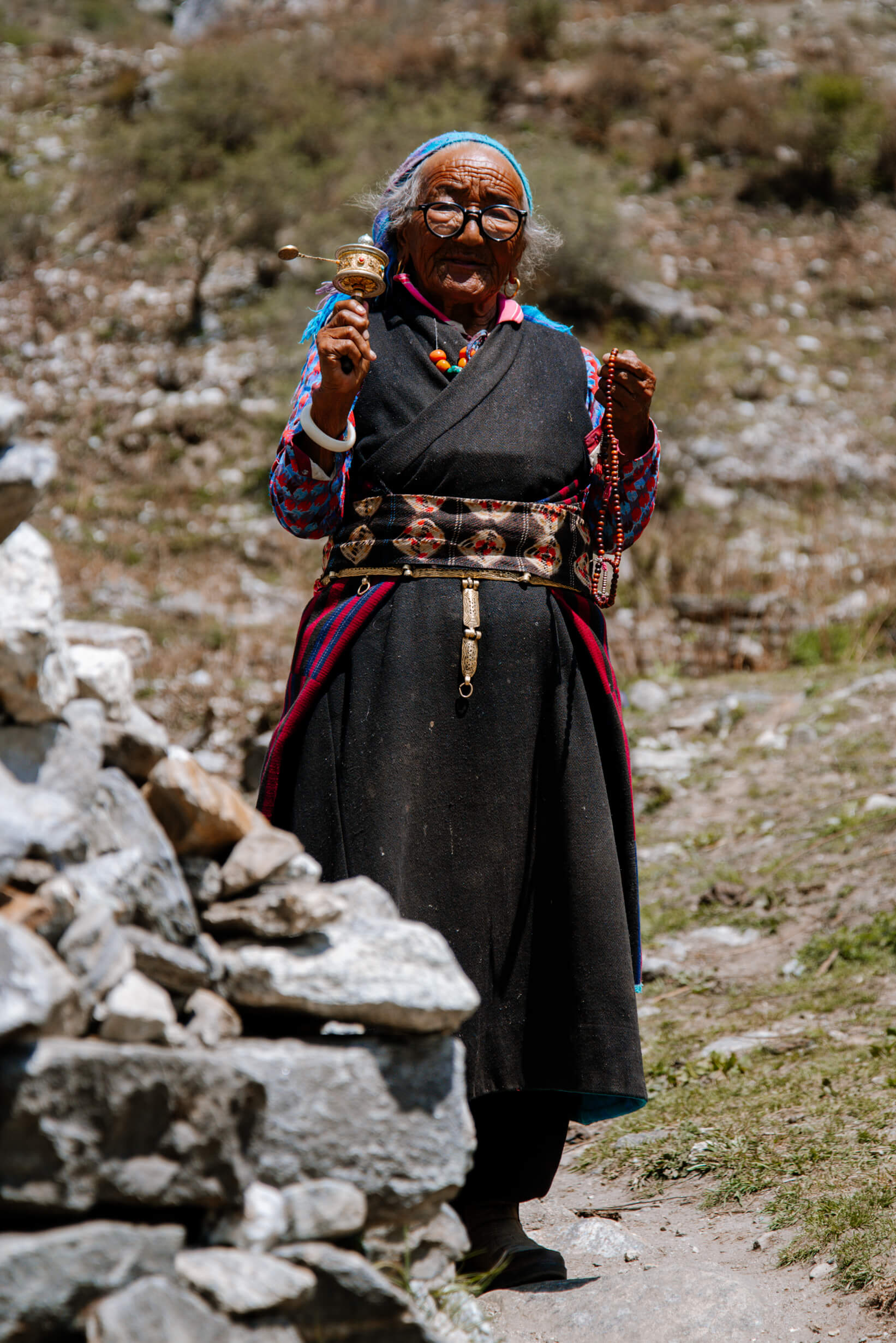
What touches me every time is how much a small contribution can achieve. The old lady in Grangwho turned a goat into a real income in three and a half years. The families in Panchase who are humble enough to say – give the money to someone who needs it more.
WIR BEWEGEN isn't a large association; we have no office, no paid staff, hardly any administrative costs. But we have Narayan, we have Arjun, we now have Naran – and we have you, who donate and trust us. Thank you from the bottom of our hearts ♥